

Authentic East African Jewelry Online: A 2026 Buyer's Guide
Table of Contents
- What Makes Authentic East African Jewelry Stand Out
- How to Identify Authentic African Beads and Craftsmanship
- Traditional East African Jewelry Styles Explained
-
Ethical African Jewelry Brands Worth Supporting
- Prideful Pieces of Africa: Handcrafted Heritage with Direct Impact
- Akola Jewelry: Women Artisans in Uganda
- Kendi Amani Living: Bold Kenyan Statement Pieces
- Omi Woods: Heritage Jewelry with Recycled Metals
- Kazuri Beads: Ceramic Artistry from Kenya
- The Tanzanite Experience: Authentic Maasai Jewelry
- Project Lydia: Fair Trade Ugandan Necklaces
- Authenticity Verification: How to Confirm What You're Buying
- Styling and Caring for Your East African Pieces
- Conclusion: Wearing Culture, Supporting Communities
Last Updated: August 5, 2026
What Makes Authentic East African Jewelry Stand Out
Authentic east african jewelry online represents far more than a fashion choice, it's a direct connection to centuries of cultural heritage, skilled artisanship, and community empowerment. Each handcrafted piece tells a story rooted in the traditions of Kenya, Uganda, Tanzania, Rwanda, and Eritrea.
What separates authentic pieces from mass-produced imitations comes down to three core elements: the artisan's hand, responsibly sourced materials, and transparency behind the maker. A Maasai beaded necklace involves hours of meticulous hand-stringing where each bead is selected, positioned, and secured individually. The slight variations in bead size, color shifts, and unique spacing patterns are signatures of genuine handcrafted work.
At Prideful Pieces of Africa, every piece is shaped by a single artisan's hands, never a machine. This commitment means no two items are identical, and each purchase directly supports families in East Africa through fair wages and transparent sourcing. The cultural significance embedded in these designs also distinguishes authentic work, an Ethiopian cross pendant carries spiritual meaning tied to Coptic Christian traditions, while Rwandan coin necklaces incorporate actual currency transformed through traditional lost-wax casting, anchoring the piece to a specific nation's history.
How to Identify Authentic African Beads and Craftsmanship
Signs of Genuine Handcrafted Work
Genuine handcrafted African beadwork displays unmistakable markers that no factory can replicate. Look closely at bead uniformity: machine-made beads are identical, while handcrafted beads vary slightly in size, shape, and color saturation. If every bead appears perfectly matched, that's a red flag.
Examine the stringing technique. In genuine pieces, knots securing beads are visible and slightly irregular, with thread tension varying naturally from bead to bead. Check the weight and balance, authentic pieces feel substantial because they use real materials like solid brass, sterling silver, natural gemstones, or high-quality ceramic. Counterfeit pieces feel hollow and lightweight.
Inspect the closure mechanism for hand-forged clasps, leather ties, or traditional knotting systems showing signs of hand-finishing. Look at the patina and aging: sterling silver pieces that are genuinely aged show natural oxidation patterns, while pristine pieces claiming to be vintage should raise questions.
Verifying Artisan Origins and Fair Wages
Request specific artisan information. Legitimate sellers can name the artisan, their region, and their specific cooperative. Ask about wage structure, ethical retailers openly discuss how much artisans earn per piece. Look for third-party certifications from Fair Trade USA or the World Fair Trade Organization.
Examine the brand's supply chain documentation. Ethical retailers provide photos of artisans at work, stories about specific makers, and documentation of community projects. Investigate impact claims with specifics: "Each necklace purchase contributes $10 toward school supplies" rather than vague promises.
Traditional East African Jewelry Styles Explained
Maasai and Kenyan Beadwork Traditions
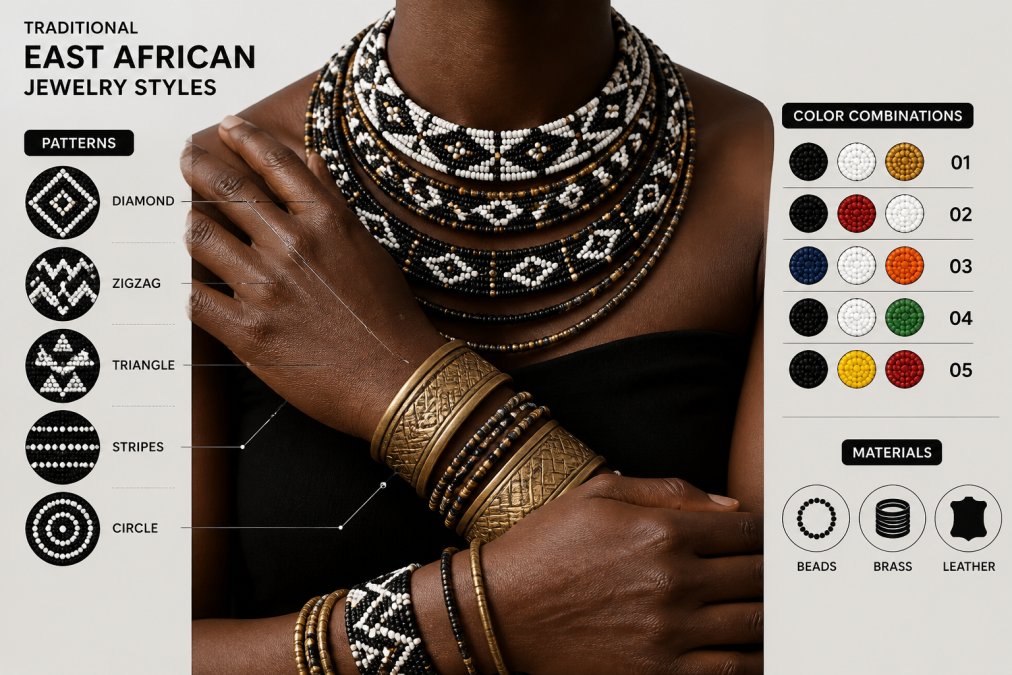
Maasai beadwork represents one of the most recognizable and culturally significant jewelry traditions in East Africa. Specific color patterns communicate social status, age, and life transitions within Maasai communities. The classic aesthetic centers on geometric patterns created through meticulous hand-stringing of small glass beads, with bold color combinations, deep reds paired with blues, whites, and blacks, each carrying cultural meaning: red symbolizes strength, blue represents energy, white signifies purity, and black represents the earth.
Traditional Maasai necklaces, called ilkiteng, feature graduated strands that sit close to the neck and extend down the chest. Creating a single necklace often spans weeks of focused work. Kenyan beadwork extends beyond Maasai traditions to include work from Samburu and Turkana groups, each with distinctive design signatures. Modern interpretations honor these traditions while adapting them for contemporary wear.
Ethiopian and Eritrean Heritage Designs
Ethiopian and Eritrean jewelry traditions emphasize bold metalwork, intricate filigree, and spiritual symbolism. The Ethiopian cross, known as the Coptic cross, features four equal arms with a circular center, often adorned with intricate engraving or gemstone settings. Ethiopian jewelry relies heavily on traditional metalworking techniques using gold-plating, sterling silver, and brass. Eritrean jewelry incorporates similar metalworking traditions with distinctive design elements, featuring broad collar necklaces and statement earrings with geometric patterns. Gold-plated pieces offer accessibility without sacrificing authenticity.
Rwandan and Ugandan Artisan Techniques
Rwandan jewelry traditions have experienced a renaissance through authentic Rwandan coins transformed into wearable art using lost-wax casting techniques. Ugandan artisan work spans multiple techniques, from ceramic beadwork to recycled metal jewelry. Kazuri Beads pioneered hand-rolled and hand-painted ceramic beads where each bead is shaped by hand, painted with individual designs, and fired in kilns. Uganda also produces exceptional recycled metal jewelry and paper bead jewelry, where artisans roll and seal repurposed paper into beads, creating vibrant, lightweight pieces while providing income to vulnerable populations.
Ethical African Jewelry Brands Worth Supporting
Prideful Pieces of Africa: Handcrafted Heritage with Direct Impact
Prideful Pieces of Africa stands apart through unwavering commitment to direct artisan relationships and transparent impact. Every piece is handcrafted in East Africa by skilled artisans who receive fair wages. The brand's approach centers on the artisan as artist, not as a production line worker. Rather than vague promises to "support communities," Prideful Pieces of Africa articulates exactly what your purchase funds: supporting a family in Kenya, contributing to a child's school day, or providing clean water.
Customer testimonials reflect the emotional resonance of owning these pieces. Zanele K. from Cape Town shared: "I've never owned anything that carries this much meaning. It's become an heirloom for my daughter."
Akola Jewelry: Women Artisans in Uganda
Akola Jewelry has built a reputation helping women artisans in Uganda through jewelry-making, providing living wages, skill development, and pathways to economic independence. The jewelry reflects timeless design principles with clean lines, thoughtful proportions, and materials that age beautifully. The brand openly discusses artisan wages, material costs, and operational expenses.
Kendi Amani Living: Bold Kenyan Statement Pieces
Kendi Amani Living represents a distinctly modern approach to African jewelry, combining traditional Maasai beadwork techniques with contemporary fashion sensibility. This Black-owned and woman-owned brand creates bold visual statements with vibrant color combinations and substantial presence.
Omi Woods: Heritage Jewelry with Recycled Metals
Omi Woods specializes in heritage jewelry incorporating authentic cultural elements, most notably their Rwanda Coin Necklace crafted from genuine Rwandan coins using traditional lost-wax casting techniques. The brand uses recycled and responsibly sourced gold and silver.
Kazuri Beads: Ceramic Artistry from Kenya
Kazuri Beads pioneered the hand-rolled, hand-painted ceramic bead tradition in Kenya. Every bead is shaped by hand, painted with individual designs, and fired in kilns. The brand employs women artisans, providing fair wages and skill development.
The Tanzanite Experience: Authentic Maasai Jewelry
The Tanzanite Experience offers authentic Maasai necklaces and earrings, many featuring Tanzanite, a rare blue-violet gemstone found exclusively in Tanzania. The brand works directly with Maasai artisans, ensuring authentic techniques and fair compensation. The brand supports the Maasai Ladies Project, channeling a portion of sales toward community initiatives benefiting Maasai women.
Project Lydia: Fair Trade Ugandan Necklaces
Project Lydia employs widowed and abandoned women in Uganda to create paper bead necklaces. Each purchase directly supports fair trade wages, education, and community development initiatives.
| Brand | Artisan Location | Signature Material | Best For |
|---|---|---|---|
| Prideful Pieces of Africa | East Africa | Handcrafted (varied) | Direct impact verification |
| Akola Jewelry | Uganda | Mixed metals & beads | Women's empowerment |
| Kendi Amani Living | Kenya | Beads & brass | Bold statement pieces |
| Omi Woods | Rwanda | Recycled metals | Heritage & precious metals |
| Kazuri Beads | Kenya | Hand-painted ceramic | Colorful, artistic beads |
| The Tanzanite Experience | Tanzania | Tanzanite & metals | Rare gemstone investment |
| Project Lydia | Uganda | Recycled paper | Affordable fair trade |
Authenticity Verification: How to Confirm What You're Buying
Red Flags That Signal Mass-Produced Imitations
Perfect uniformity across multiple pieces is the most obvious red flag. If you see ten identical necklaces with absolutely no variation in bead size, spacing, or color, those are factory-made. Suspiciously low pricing relative to other artisan jewelry suggests mass production, genuine handcrafted work requires significant labor.
Lack of maker information is critical. If a retailer cannot tell you the artisan's name, region, or specific cooperative, question the authenticity. Generic impact claims like "supports African communities" without specifics indicate the brand hasn't verified their supply chain. Machine-perfect finishing on supposedly handcrafted pieces raises suspicion, as does extremely lightweight pieces claiming to use solid materials.
Questions to Ask Before You Buy
Before committing to a purchase, ask these specific questions. "Can you tell me the artisan's name and the specific community or cooperative they belong to?" This cuts to the heart of authenticity. "What percentage of the purchase price goes directly to the artisan?" reveals wage transparency. "What specific community projects does my purchase support?" tests whether claims are specific or vague.
"How long does it take to create a single piece?" reveals labor intensity. "Can you show me photos or videos of the artisan creating this piece?" tests the seller's transparency. "What is your return or exchange policy if the piece arrives damaged?" tests confidence in their product. "Is this piece one-of-a-kind or are multiple identical pieces available?" confirms handcrafted uniqueness.
Styling and Caring for Your East African Pieces
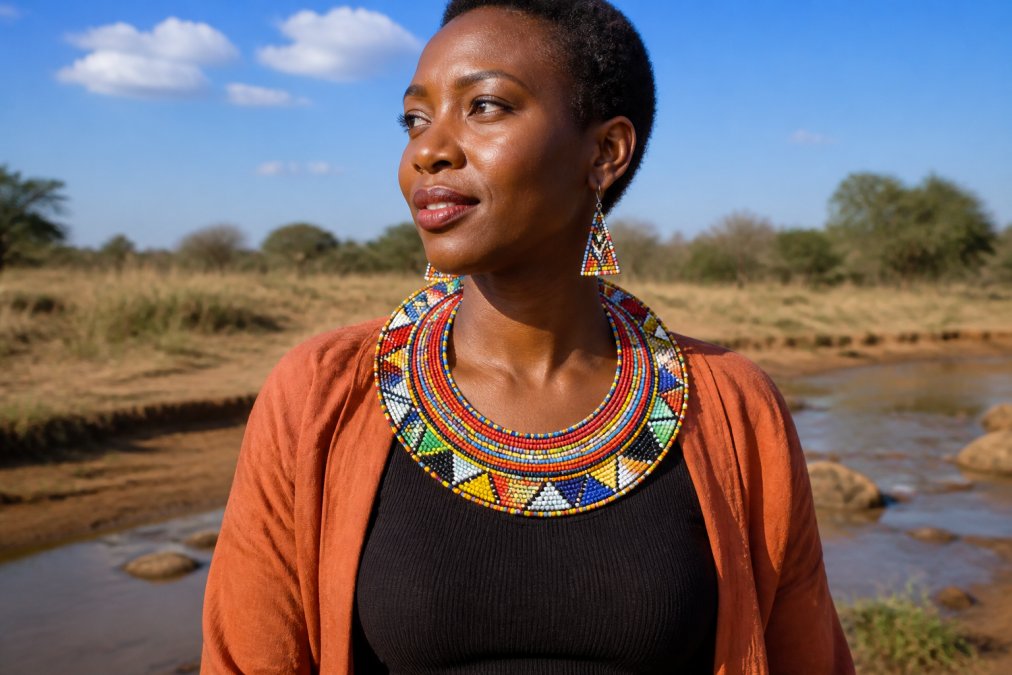
Authentic east african jewelry pieces are designed to be worn and celebrated. Bold statement necklaces work best as the focal point of an outfit. When wearing a substantial beaded necklace, keep other jewelry minimal and pair with neutral clothing, black, white, cream, or navy provides the perfect canvas for vibrant beadwork. Layering lighter pieces creates different aesthetic possibilities, while Ethiopian or Eritrean jewelry pieces often work beautifully in professional settings.
Caring for your pieces ensures they remain beautiful for years. Beaded pieces should be stored in a dry location away from direct sunlight, which can fade colors. Avoid exposing beaded jewelry to excessive moisture or humidity. Metal pieces benefit from gentle cleaning with a soft cloth. Avoid submerging metal jewelry in water, particularly gold-plated pieces. Ceramic beads should be handled gently and stored separately from heavier jewelry. Recycled metal and coin-based jewelry develop patina over time, embrace this natural aging process as evidence of the jewelry's history.
Conclusion: Wearing Culture, Supporting Communities
Purchasing authentic east african jewelry online represents a choice to align your personal style with your values. When you select pieces from ethical brands like Prideful Pieces of Africa, Akola Jewelry, or Kazuri Beads, you're making a statement about what matters to you: cultural preservation, fair wages, community development, and genuine craftsmanship.
The jewelry you wear carries meaning far beyond aesthetics. According to UNESCO's documentation on intangible cultural heritage, traditional craftsmanship practices represent irreplaceable expressions of cultural identity. When you invest in authentic east african jewelry, you're actively supporting the continuation of these traditions. Research from Fair Trade International's impact reports demonstrates that direct artisan relationships and transparent wage structures genuinely improve livelihoods.
Customer testimonials describing pieces as "heirlooms," as carrying "sacred" meaning, reflect something essential about authentic craftsmanship. These pieces transcend fashion because they connect wearers to artisans, to cultures, to communities, and to values that matter.
As you shop for authentic east african jewelry online, remember that your purchasing power represents a vote for the kind of fashion industry you want to support. You're choosing handcrafted work over mass production, fair wages over exploitation, cultural authenticity over appropriation, and community impact over corporate profit margins.
Start your journey with Prideful Pieces of Africa's collection, where every piece is shaped by a single artisan's hands, no two items are identical, and your purchase directly supports families in Kenya, contributes to children's education, and provides communities with clean water. Wear culture. Support artisans. Make a difference with every piece you choose.
Frequently Asked Questions
How can you tell if authentic East African jewelry is genuine handcrafted work?
Genuine handcrafted pieces show natural variations in bead size, slight irregularities in stringing, and unique color patterns that machines cannot replicate. Each bead in authentic African beads will have minor differences. Check for artisan signatures or maker's marks, ask for documentation of the artisan's name and region, and request photos of the person who created your piece. Reputable brands provide transparency about their supply chain and can trace pieces back to specific artisans.
What materials are traditionally used in East African jewelry?
Traditional East African jewelry uses natural gemstones, brass, sterling silver, recycled gold, and ceramic beads hand-rolled and painted by artisans. Kenyan and Tanzanian pieces often feature Tanzanite, a rare blue-violet gemstone found exclusively in Tanzania. Ethiopian and Eritrean designs incorporate gold-plated brass and intricate silver work. Ugandan artisans create pieces from repurposed materials and ceramic. Maasai beadwork traditionally uses glass beads strung with leather or beaded wire, though modern interpretations blend these with contemporary metals.
Is it ethical to buy African jewelry online, and how do I verify fair wages?
Yes, buying from ethical African jewelry brands directly supports artisans and communities. Look for brands that publicly share artisan names, photos, and wages paid. Reputable sellers provide transparency reports showing how proceeds fund education, clean water, and family support in the regions where artisans work. Ask sellers directly: What percentage of your purchase goes to the artisan? Can you verify fair trade certification? Do you have proof of impact? Brands like Akola, Omi Woods, and Prideful Pieces of Africa openly document their fair wage practices and community impact.
What's the difference between authentic East African jewelry and mass-produced African-inspired pieces?
Authentic East African jewelry is handcrafted by individual artisans using traditional techniques passed down through generations, meaning no two pieces are identical. Mass-produced items are factory-made with consistent uniformity, lower prices, and no direct connection to African artisans or communities. Authentic pieces carry cultural significance, tell a story of the maker, and directly support families. Mass-produced alternatives may use African aesthetics or materials but lack the craftsmanship, heritage, and social impact. Check for artisan attribution, handmade documentation, and transparent sourcing to confirm authenticity.
This article was written using GrandRanker