

Best One of a Kind Artisan Jewelry: 10 Brands & Buying Guide
Table of Contents
- What Makes the Best One of a Kind Artisan Jewelry Stand Out
- Quick Comparison: Top Artisan Jewelry Brands & Selection Criteria
- 1. Prideful Pieces of Africa: Handcrafted East African Heritage Jewelry
- 2. Etsy: Unique Handmade Jewelry From Independent Artisans Worldwide
- 3. Ananda Khalsa: Wearable Art With Recycled Metals & Hand-Painted Designs
- 4. Emi Conner: Ethical Artisan Jewelry Brands for Engagement & Fine Pieces
- 5. Carelle: Custom Artisan Jewelry With Rare Gemstones & Bespoke Design
- 6. Alex Monroe: Handcrafted Fine Jewelry With Nature-Inspired Aesthetics
Last Updated: July 19, 2026
What Makes the Best One of a Kind Artisan Jewelry Stand Out
When searching for the best one of a kind artisan jewelry, you're investing in something with a story, crafted by human hands rather than machines. Prideful Pieces of Africa specializes in handcrafted jewelry celebrating East African heritage, ensuring no two pieces are identical. Exceptional artisan jewelry prioritizes quality over quantity, reflects the artist's vision and skill, and uses quality materials like sterling silver, recycled metals, and ethically sourced gemstones. When you choose handmade jewelry, you support independent designers and small businesses while directly impacting artisans' livelihoods and their communities.
Quick Comparison: Top Artisan Jewelry Brands & Selection Criteria
| Brand | Best For | Key Feature | Price Range |
|---|---|---|---|
| Prideful Pieces of Africa | East African heritage & community impact | Handcrafted, supports families in Kenya | Contact for pricing |
| Etsy | Diverse global artisans & customization | Massive selection, direct seller contact | Varies widely |
| Ananda Khalsa | Wearable art & investment pieces | Hand-painted designs behind glass, recycled metals | $110+ |
| Emi Conner | Ethical engagement & fine jewelry | Vintage-modern aesthetic, sustainable materials | $500+ |
| Carelle | Luxury bespoke pieces | Rare gemstones, collaborative design | Contact for pricing |
| Alex Monroe | Nature-inspired delicate designs | UK-made, sustainable production | £150-300+ |
How We Evaluated These Brands
We assessed each brand across five core criteria: craftsmanship (genuinely handmade with skill and attention), uniqueness (one-of-a-kind or limited production), materials (quality metals and ethically sourced gemstones), transparency (traceable origins and clear pricing), and community impact (fair artisan support). Each brand meets these standards differently, some excel at cultural authenticity, others at artistic innovation or luxury customization. Your choice depends on what matters most: heritage, artistic expression, sustainability, customization, or investment value.
Ethical Fashion Initiative guidelines on fair trade jewelry
1. Prideful Pieces of Africa: Handcrafted East African Heritage Jewelry
Prideful Pieces of Africa stands apart because every piece is shaped by a single artisan's hands, never touched by a machine. Each handcrafted item celebrates East African traditions while ensuring no two pieces are exactly alike. When you purchase, your money directly supports families in Kenya, contributes to children's education, and provides villages with clean water.
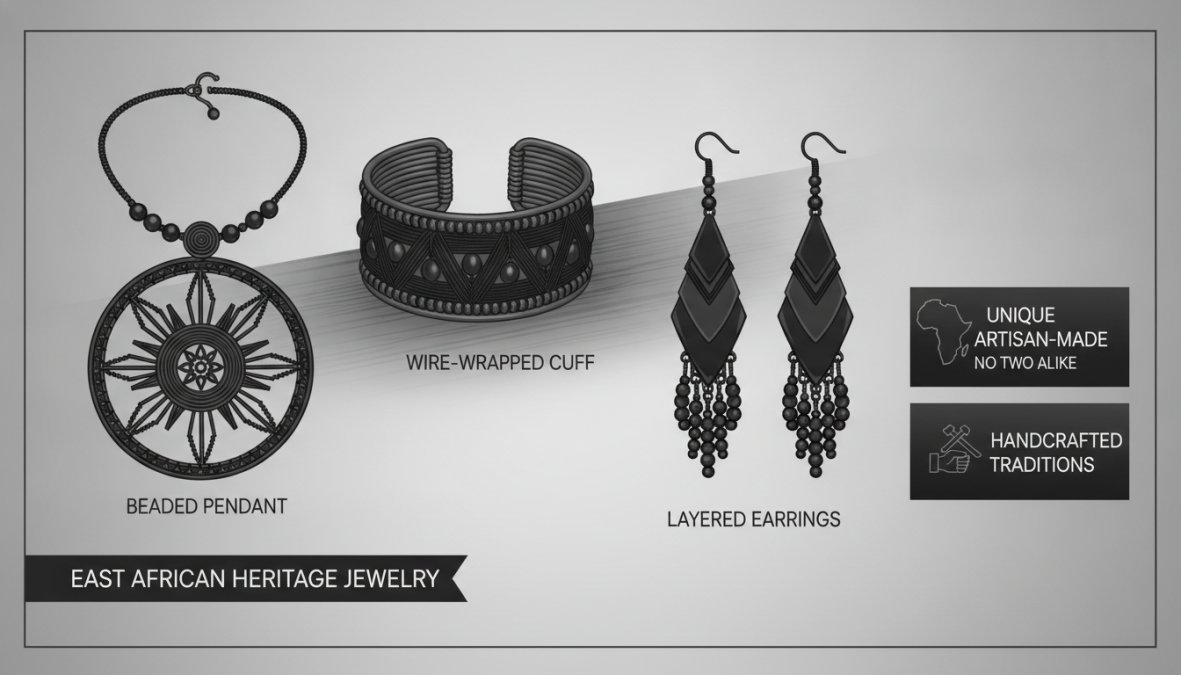
The pieces combine traditional techniques passed down through generations with contemporary design sensibilities. You'll find beaded necklaces, wire-wrapped rings, and statement earrings that work as wearable art. Each item carries the story of the specific artisan who created it, a real person whose skill and vision shaped what you're wearing. The regenerative practices mean materials are sourced thoughtfully and production respects both people and environment.
What makes Prideful Pieces of Africa particularly compelling is transparency about impact. When you buy a piece, you know exactly which family you're supporting. This level of accountability is rare in the jewelry industry.
2. Etsy: Unique Handmade Jewelry From Independent Artisans Worldwide
Etsy democratizes access to artisan jewelry by connecting you directly with thousands of independent makers across the globe. The platform's strength lies in sheer variety and the direct relationship between buyer and seller. You can message artisans with custom requests, ask about materials, and often request modifications before purchase. Carbon-neutral shipping on all orders reflects the platform's sustainability commitment.
However, quality varies significantly between sellers. Some are highly skilled artisans with years of experience; others are hobbyists just starting out. Research sellers carefully by reading reviews, examining photos of completed work, and checking their track record. The platform's search filters let you narrow by material, style, and price.
3. Ananda Khalsa: Wearable Art With Recycled Metals & Hand-Painted Designs
Ananda Khalsa creates original paintings set behind tempered glass in sterling silver or 22k gold. Each painting is never reproduced, meaning your piece is authentically one-of-a-kind. This woman-owned business based in Northampton, Massachusetts combines artistic vision with jewelry craftsmanship to produce investment-quality pieces.
Artists hand-paint miniature images, which are then sealed behind glass and set in precious metals. This approach means each piece functions as both jewelry and portable art. The recycled metals align with ethical sourcing priorities, and the craftsmanship is evident in every detail. These bold, statement-making pieces demand to be noticed.
Starting at $110 and climbing significantly for larger designs, these pieces represent a genuine investment. Limited availability means if you see something you love, you need to act quickly. They appeal to people who see jewelry as wearable art rather than everyday accessories.
4. Emi Conner: Ethical Artisan Jewelry Brands for Engagement & Fine Pieces
Emi Conner specializes in the intersection of vintage aesthetics and modern ethics. Their alternative engagement rings and fine jewelry combine conflict-free diamonds, lab-grown moissanites, recycled gold, and traceable gemstones. Every piece is handmade to order by craftspeople in Thailand, ensuring quality and individuality through collaboration with designers.
The focus on sustainable materials means you're not contributing to exploitative mining practices. For couples prioritizing ethics without sacrificing luxury, this brand delivers. The drawback is timeline, custom orders take time, and if you need jewelry quickly, this isn't the solution. Engagement rings start around $500 and climb significantly depending on specifications.
5. Carelle: Custom Artisan Jewelry With Rare Gemstones & Bespoke Design
Carelle operates at the luxury end of the artisan spectrum, offering bespoke services where you collaborate with designers to create truly one-of-a-kind pieces. Their access to rare gemstones, emeralds, tourmalines, sapphires, spinels, sets them apart. The artisans transform these extraordinary treasures into wearable art through a personalized design process.
This is jewelry for significant moments: heirloom pieces, milestone celebrations, or investment-grade wearables. The design process is collaborative and lengthy, but the result is something that exists nowhere else. Free shipping and returns reduce risk. This brand appeals to collectors and people for whom jewelry represents a serious investment in beauty and meaning.
Gemological Institute of America standards for gemstone quality
6. Alex Monroe: Handcrafted Fine Jewelry With Nature-Inspired Aesthetics
Alex Monroe has been creating handmade jewelry in the UK for over three decades, building a distinctive aesthetic centered on nature, birds, bees, flowers, and organic forms rendered in precious metals. Every piece is designed and developed locally, keeping carbon footprint minimal through local production.
The brand's commitment to sustainability extends beyond materials to production methods. Handcrafted in the UK means supporting local artisans and reducing transportation impact. The designs are immediately recognizable, whimsical, and nature-connected. If you love delicate, charming jewelry with environmental consciousness, this brand delivers. Necklaces start around £150-300, reflecting the handcrafted quality and local production.
Unique Designs and Individuality: What Sets Artisan Jewelry Apart
The most compelling aspect of the best one of a kind artisan jewelry is that no two pieces are identical. This individuality matters psychologically, you're not wearing what thousands of others wear. You're wearing something created with intention and skill by an artist who poured their vision into the work.
Some artisans create entirely custom pieces based on client specifications. Others work with limited editions, producing perhaps five or ten variations before moving to something new. Still others create completely original pieces and sell them once. The result in all cases is jewelry reflecting individual expression rather than mass-market trends. This finality actually increases the emotional connection many people feel to artisan jewelry, elevating it beyond typical accessories into the realm of meaningful objects.
Quality Materials and Craftsmanship: Why Artisan Jewelry Lasts
Handmade artisan jewelry typically outlasts mass-produced alternatives because artisans care about longevity. They select materials for durability, not just cost, and use proper techniques that create structural integrity. A mass-produced ring might have a weak solder joint that fails after a year. An artisan-made ring uses proper metalworking techniques creating joints as strong as the surrounding metal.
Artisans source sterling silver, gold, platinum, and gemstones directly or through ethical suppliers, avoiding cheap alloys and synthetic stones designed to mimic the real thing. When you buy artisan jewelry, you're getting what the materials actually are, not compromised versions designed to keep costs down.
Precious Metals Institute standards for jewelry composition
Artisan Jewelry vs. Mass-Produced Jewelry: The Real Differences
Mass-produced jewelry is created through industrial processes: machines cut identical shapes, assembly lines solder components, and quality control happens through statistical sampling. Artisan jewelry is created through individual craftsmanship: hands shape metal, eyes inspect every detail, and the maker takes personal responsibility for quality. A mass-produced ring is a commodity. An artisan ring is a creation.
The ethical implications differ significantly. Factory jewelry production often involves exploitative labor practices and environmentally damaging mining. Ethical artisan production ensures fair wages, safe working conditions, and often more sustainable material sourcing. You're voting for a different economic model with your purchase.
Pricing reflects these differences. Artisan jewelry costs more because labor is valued fairly and materials are sourced ethically. The lower price of mass-produced jewelry is subsidized by externalized costs paid by workers and ecosystems.
Ethical Sourcing and Sustainability: Supporting Responsible Artisans
The best one of a kind artisan jewelry comes with confidence that your purchase supports ethical practices: verifiable fair wages, transparent supply chains, and sustainable material sourcing. Brands like Prideful Pieces of Africa specify that purchases support education and clean water in specific communities, providing accountability that mass-market brands never offer.
Ethical sourcing extends to materials. Recycled metals eliminate the need for new mining. Lab-grown diamonds and moissanites provide alternatives to conflict diamonds and environmentally destructive mining. Gemstones sourced from ethical suppliers come with documentation about their origin. These choices cost more but align purchases with values.
Sustainability means minimizing waste, using non-toxic finishes, and keeping production local when possible. It means artisans work in safe conditions and communities benefit from production rather than suffering environmental and social damage. The verification challenge is real, anyone can claim to be ethical without proof. The best brands provide transparency: they name communities they support, share impact reports, and allow customers to trace materials.
How to Choose and Buy the Best One of a Kind Artisan Jewelry
Start by identifying what matters most to you: cultural significance, artistic expression, sustainability, customization, investment value, or community impact. Different brands excel at different priorities. Research the artisan or brand: Where do they source materials? What's their production process? Can you see photos of the actual maker? Do they provide transparency about pricing and impact?
Examine the piece carefully. Look at photos from multiple angles. Check the materials listed, is it solid sterling silver or plated? Are gemstones natural or synthetic? Does the craftsmanship show in the details? Read customer reviews, but remember that preferences vary.
Consider customization options. Can you request modifications? Can you choose materials or colors? Test the purchasing experience: Is the artisan responsive to questions? Do they provide clear information about shipping, returns, and care? Do they stand behind their work with guarantees?
Finally, be patient. The best artisan jewelry takes time. Give yourself space to find the right piece from the right maker, even if that takes weeks or months.
Finding the best one of a kind artisan jewelry means looking beyond price and aesthetics to consider craftsmanship, ethics, and meaning. Brands like Prideful Pieces of Africa demonstrate what's possible when artisans are paid fairly, communities benefit directly, and every piece is shaped by human hands with cultural intention. Whether you prioritize heritage storytelling, artistic expression, sustainability, or luxury customization, authentic artisan jewelry offers an alternative to mass production that feels genuinely worth wearing.
Frequently Asked Questions
What makes artisan jewelry one-of-a-kind compared to mass-produced pieces?
One-of-a-kind artisan jewelry is handcrafted by individual artisans, meaning each piece is shaped by human hands rather than machines. No two pieces are exactly alike because artisans make unique design choices during creation. Mass-produced jewelry uses molds and automated processes, creating identical copies. Artisan pieces often feature variations in stone placement, metalwork patterns, and overall character, qualities that give them individuality and authenticity that mass production cannot replicate.
How do I verify that ethical artisan jewelry brands are actually fair trade and transparent?
Look for brands that provide clear sourcing information, wage transparency, and impact reports showing where your money goes. Authentic ethical artisan jewelry brands share details about artisan locations, fair wage practices, and community benefits like education or clean water access. Request documentation or impact reports before purchasing. Check for third-party certifications when available. Reputable brands welcome questions about their practices and supply chain, hesitation is a red flag. Customer testimonials mentioning transparency and impact are also good indicators.
Is custom artisan jewelry worth the higher price compared to ready-made pieces?
Custom artisan jewelry commands higher prices due to personalized design time, premium materials, and the artisan's expertise. You're paying for a collaborative creative process, guaranteed uniqueness, and often superior craftsmanship. Ready-made artisan pieces are less expensive but still one-of-a-kind. Custom pieces become investment-worthy heirlooms tailored to your exact vision. If you want something truly personal for a milestone or want to support an artisan's specific vision, the premium is justified. Budget-conscious buyers may prefer ready-made artisan options instead.
How should I care for handcrafted fine jewelry to ensure it lasts?
Handcrafted fine jewelry requires gentle care: remove pieces before swimming, exercising, or showering to prevent damage and tarnishing. Store in a cool, dry place away from direct sunlight. Clean with appropriate methods based on materials, use soft cloths for delicate pieces and mild soap and water for most metals. Avoid harsh chemicals and ultrasonic cleaners unless the artisan recommends them. Have pieces professionally inspected annually to check for loose stones or wear. Proper care preserves the artisan's craftsmanship and ensures your investment lasts for generations as an heirloom.
Can I wear artisan jewelry from other cultures authentically, or is it cultural appropriation?
Wearing artisan jewelry from other cultures is authentic when you purchase directly from artisans, understand the cultural context, and wear it respectfully, not as a costume or trend. Supporting artisans through fair-wage purchases honors their heritage and craft. The key distinction: appropriation involves taking cultural elements without permission or respect; appreciation involves learning about the tradition and supporting the creators. Brands like Prideful Pieces of Africa explicitly celebrate East African heritage through their storytelling, making purchases a form of cultural respect rather than appropriation. Wear with intention and awareness.
This article was written using GrandRanker