

Buy Handmade East African Gifts: 7 Authentic Pieces
Table of Contents
- Why Handmade East African Gifts Matter
- How to Identify Authentic Handmade African Gifts
- Handcrafted Jewelry: Beaded Necklaces and Bracelets
- Artisanal Home Decor: Soapstone, Baskets, and Carvings
- Fair Trade African Home Decor and Ethical Sourcing
- Ethical Sourcing for African Artisan Products
- Handmade Accessories and Apparel
- Care and Maintenance for Handmade Pieces
Last Updated: August 8, 2026
Why Handmade East African Gifts Matter
When you buy handmade east african gifts, you're acquiring a piece of cultural heritage crafted by skilled artisans whose livelihoods depend on each sale. No two pieces are identical; each carries the fingerprints of the person who shaped it, and your money flows directly to families in Kenya, and across East Africa rather than disappearing into supply chain margins.
At Prideful Pieces of Africa, we've spent years building relationships with artisans who preserve centuries-old techniques. Handmade east african gifts represent far more than aesthetic value, they're investments in cultural preservation, community education, and economic dignity. When you choose a beaded necklace from a Maasai artisan or a hand-carved soapstone bowl, you're supporting a system where fair wages fund school fees, clean water access, and the continuation of traditions that might otherwise fade.
How to Identify Authentic Handmade African Gifts
Authenticity comes down to three verifiable markers: direct artisan attribution, transparent sourcing, and visible imperfections that prove human creation.
Start by checking whether the seller can name the artisan or cooperative behind each piece. Legitimate vendors like Prideful Pieces of Africa document their makers with specific names, regions, and production methods. If a website claims handmade status but offers no artisan information, that's your first red flag.
Second, examine the product itself. Authentic handcrafted items show variation. A hand-beaded necklace will have slight irregularities in bead spacing. A wooden bowl carved by hand won't have perfectly symmetrical dimensions. Mass-produced items disguised as handmade display mechanical uniformity. Real craftsmanship leaves traces.
Third, verify the sourcing claim. Ethical producers publish information about fair wages, cooperative structures, and community impact. Many now include QR codes linking to artisan profiles or impact reports.
Handcrafted Jewelry: Beaded Necklaces and Bracelets
Beaded jewelry represents the most recognizable form of handmade east african gifts, anchored in centuries of cultural tradition. Each piece tells a story through color, pattern, and technique.
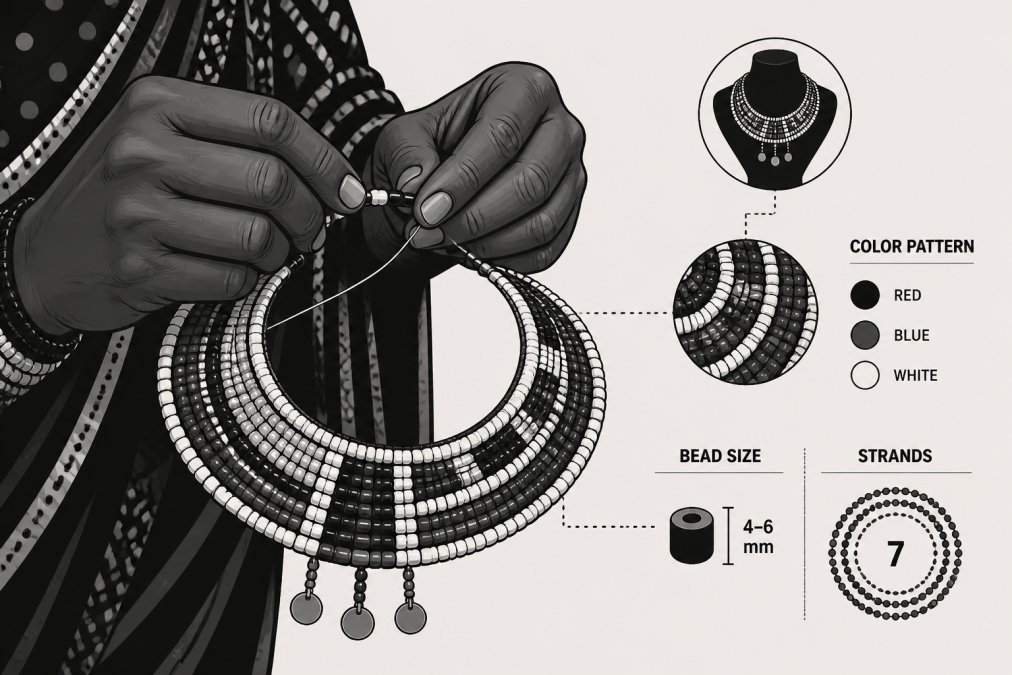
Maasai Beaded Collections
Maasai beadwork follows strict color symbolism and geometric patterns passed down through generations. Red represents bravery, blue symbolizes energy, and white signifies purity. Genuine Maasai pieces take weeks to complete, with artisans hand-threading individual beads to create patterns requiring both mathematical precision and artistic vision.
Counterfeit Maasai beadwork floods online marketplaces with machine-made pieces featuring uniform bead spacing and synthetic materials. Authentic Maasai necklaces command higher prices because of labor intensity and material quality. If you encounter beaded jewelry at suspiciously low prices with perfect uniformity, it's likely factory-produced.
Modern Metal and Beaded Designs
Contemporary East African jewelry blends traditional beading with modern metalwork, brass, copper, and recycled metals combined with hand-strung beads. Artisans design custom pieces based on client requests, adapting traditional patterns to contemporary aesthetics.
Artisanal Home Decor: Soapstone, Baskets, and Carvings
Home decor represents the second major category of handmade east african gifts, offering functional art that transforms living spaces while supporting artisan communities.
Hand-Carved Soapstone and Wooden Art
Soapstone carving is an ancient East African craft, particularly prominent in Kenya. Artisans hand-carve soft soapstone into bowls, figurines, and decorative pieces using traditional chisels. The stone's natural variation means each piece develops unique character during the carving process.
Wooden carvings represent a parallel tradition, with artisans working with hardwoods to create masks, figurines, and functional items. The craftsmanship is unmistakable: tool marks, grain patterns, and slight asymmetries prove human creation rather than machine precision.
A hand-carved soapstone bowl isn't just a serving vessel; it's a tangible connection to Kisii stone carvers whose families depend on each sale.
Handwoven Baskets and Textiles
Handwoven baskets represent perhaps the most labor-intensive category of handmade east african gifts. Artisans harvest natural materials, sisal grass, palm fronds, reed, and spend weeks weaving intricate patterns. A single large basket may require 40-60 hours of hand-weaving work.
Basket-weaving preserves traditional knowledge and provides income for women artisans who might otherwise lack economic opportunity. Textiles, including kente cloth, kikoi wraps, and hand-dyed fabrics, follow similar production logic, with artisans dyeing materials using traditional methods and hand-weaving patterns reflecting regional traditions.
Fair Trade African Home Decor and Ethical Sourcing
When applied to handmade east african gifts, "fair trade" should mean artisans receive wages exceeding local living costs, work in safe conditions, and maintain control over their creative process.
Legitimate fair trade producers publish impact reports detailing artisan wages, working conditions, and community investments. They establish long-term relationships with artisan cooperatives rather than transactional purchasing arrangements.
Prideful Pieces of Africa operates on transparent, regenerative principles. Each purchase directly supports families in Kenya through documented wage structures and community programs.
Ethical sourcing extends beyond fair wages to encompass environmental responsibility, cultural respect, and community agency. Sustainable producers prioritize recycled materials, natural dyes, and responsibly harvested wood. Cultural respect means authentic artisan-made pieces reflect genuine cultural traditions, not Western interpretations of African aesthetics. Community agency means artisans control their creative direction and production methods.
Handmade Accessories and Apparel
Handmade east african gifts extend into wearable accessories and apparel that blend traditional aesthetics with contemporary fashion.
Ankara Fabric and Woven Accessories
Ankara fabric, colorful patterned cotton cloth, has become central to East African fashion. Artisans create bags, scarves, wraps, and accessories from Ankara, often combining it with leather, beads, or other traditional materials. Handmade Ankara accessories represent an accessible entry point into East African fashion, with craftsmanship visible in the stitching, fabric selection, and design details.
Sandals and Footwear
Hand-crafted sandals represent another category of handmade east african gifts gaining visibility. Artisans create sandals from leather, recycled materials, and natural fibers, often incorporating beaded accents or hand-painted designs. Each pair is individually constructed, meaning no two sandals are precisely identical.
Handmade sandals surpass mass-produced footwear in durability and comfort. Artisans select materials carefully and adjust fit based on customer specifications.
Artisan Stories: The People Behind Your Purchase
The most significant distinction between buying handmade east african gifts and purchasing mass-produced items is the human connection. When you acquire an artisan-made piece, you're supporting a specific person whose name, story, and community you can potentially learn about.
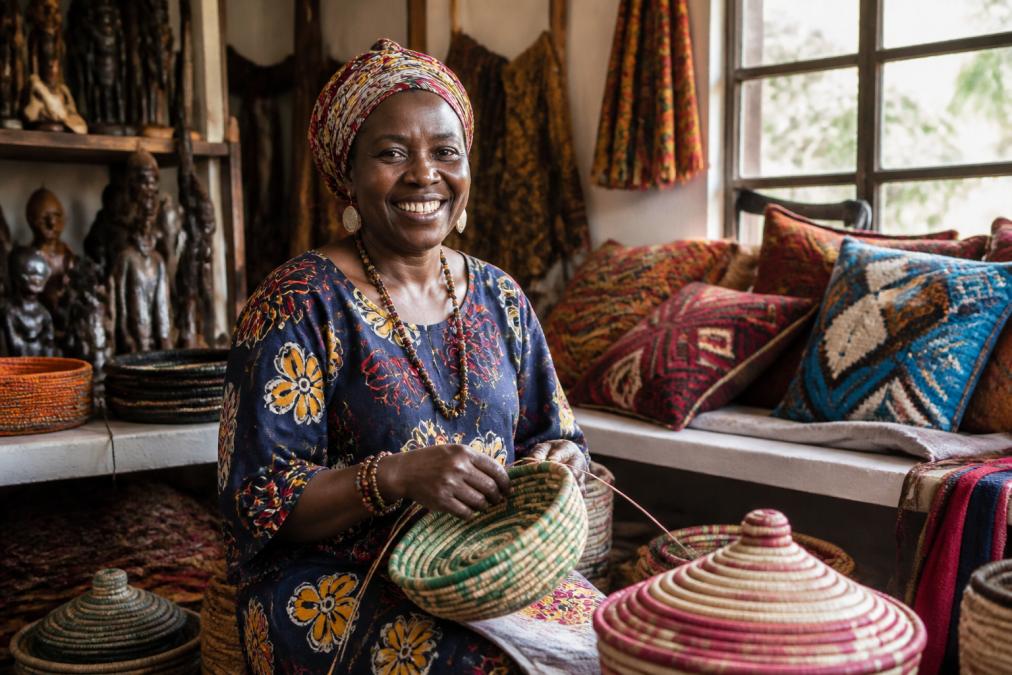
Ethical producers increasingly share artisan profiles, photographs, and information about how each purchase impacts their lives. This transparency transforms a transaction into a relationship. You're not buying an anonymous "handmade" product; you're supporting a specific artisan whose daughter attends school because of sales revenue.
Prideful Pieces of Africa emphasizes artisan storytelling, ensuring customers understand the real human impact of their purchases. When evaluating sellers, prioritize those who highlight artisan stories and can tell you the artisan's name and show you their workspace.
Care and Maintenance for Handmade Pieces
Handmade items require different care than mass-produced goods. Because they're crafted from natural materials and constructed by hand, they benefit from intentional maintenance that preserves their integrity.
Beaded Jewelry: Store beaded necklaces and bracelets flat or coiled gently in a dry location. Avoid exposing them to direct water or humidity. If soiled, gently wipe with a soft, dry cloth.
Soapstone and Wooden Carvings: Dust soapstone pieces regularly with a soft cloth. Avoid placing them in direct sunlight for extended periods. Wooden items benefit from occasional conditioning with natural oil.
Woven Baskets and Textiles: Store baskets in dry environments away from direct sunlight. For textiles, hand-wash in cool water using gentle detergent, then lay flat to dry. Never use bleach or high-heat drying.
Leather Accessories: Hand-crafted leather develops a natural patina over time. Condition leather occasionally with natural oils. Store in cool, dry locations away from direct heat sources.
Unlike disposable mass-produced goods, artisan-made items improve with age and care, often becoming family heirlooms passed between generations.
Buying handmade east african gifts means choosing quality, cultural authenticity, and meaningful impact over convenience and low prices. Prideful Pieces of Africa curates pieces that embody this commitment, each item handcrafted by skilled artisans, each purchase supporting families and preserving generations of tradition. When you shop with Prideful Pieces of Africa, you're directly helping communities through fair wages, transparent sourcing, and regenerative practices that fund education and essential services in East African regions. Shop with intention, support artisans directly, and wear or display pieces that carry real cultural significance and real human stories.
Frequently Asked Questions
What makes handmade East African gifts different from mass-produced alternatives?
Handmade East African gifts are crafted by skilled artisans using traditional techniques passed down through generations. Each piece is one-of-a-kind, shaped by hand rather than machines, ensuring authentic cultural artistry. Unlike mass-produced items, your purchase directly supports artisan families through fair wages and transparent sourcing. The craftsmanship, cultural significance, and social impact create meaningful value that extends far beyond the object itself.
How can I verify that ethical sourcing for African artisan products is genuine?
Look for sellers who provide transparent information about artisan partnerships, wages, and community impact. Authentic ethical sourcing includes documentation of fair trade certification, direct artisan relationships, and specific details about where money goes (education, clean water, family support). Ask sellers for proof of their claims, impact reports, artisan profiles, or cooperative partnerships. Reputable companies openly share their sourcing practices and are happy to answer questions about how artisans are compensated and supported.
Can I wear handmade East African jewelry and accessories if I'm not from East Africa?
Absolutely. Wearing handmade East African gifts is a respectful way to celebrate and support the culture and artisans behind them. The key is approaching these pieces with genuine appreciation for their cultural heritage and craftsmanship rather than treating them as trendy accessories. Many customers from around the world wear these items as meaningful connections to East African traditions, and artisans welcome this support. Your purchase directly empowers communities and preserves generations of cultural identity.
What should I expect regarding quality and durability of handmade pieces?
Handmade East African gifts are crafted with exceptional care and designed to last for years. Beaded jewelry, wooden carvings, and woven baskets are made from quality materials selected by experienced artisans. Because each piece is handmade, minor variations in color, pattern, or finish are normal and add to their authenticity. Proper care extends their lifespan significantly, store beaded items away from moisture, clean wood carvings gently, and condition woven baskets occasionally. These pieces often become heirlooms passed down through families.
How long does shipping typically take for handmade East African gifts to the US?
Shipping times vary depending on the seller and shipping method chosen. Many US-based retailers that source handmade East African goods ship within 5-10 business days. International shipments from Africa typically take 2-4 weeks. Some sellers offer expedited options for faster delivery. Because items are handmade and often made-to-order, production time may add 1-2 weeks before shipping begins. Check with your seller for specific timelines and tracking information to plan accordingly for gift-giving occasions.
This article was written using GrandRanker