

Cultural Appropriation in Fashion Explained
Table of Contents
- What Is Cultural Appropriation in Fashion
- Examples of Cultural Appropriation in Fashion
- The Power Dynamics Behind Fashion Appropriation
- Cultural Appreciation vs Appropriation in Fashion
- Impact on Marginalized Communities
- Legal and Ethical Boundaries for Designers
- How Consumers Can Support Ethical Fashion
- Conclusion
Last Updated: August 15, 2026
What Is Cultural Appropriation in Fashion
Cultural appropriation in fashion is the adoption of elements from one culture by members of another culture, particularly when a dominant culture borrows from marginalized cultures without permission, understanding, or proper credit. This goes beyond simple cultural exchange, it involves power imbalances where dominant groups profit from or gain status through aesthetic adoption of sacred, traditional, or culturally significant design elements while the originating communities receive no benefit or recognition.
The distinction matters because fashion exists within systems of inequality. When a multinational brand takes a sacred symbol, strips it of context, and sells it as a trend while the culture that created it faces discrimination for wearing the same item, that's appropriation. The issue isn't that cultures should remain isolated or that cross-cultural inspiration is inherently wrong. The problem is extraction without reciprocity, decontextualization that erases meaning, and the reinforcement of power imbalances where some groups are celebrated for wearing what others are marginalized for.
At Prideful Pieces of Africa, we believe the solution lies in direct collaboration with artisans and transparent sourcing that honors cultural heritage. Authentic cultural expression means the people creating the work control its narrative and receive fair compensation for their intellectual property and cultural knowledge.
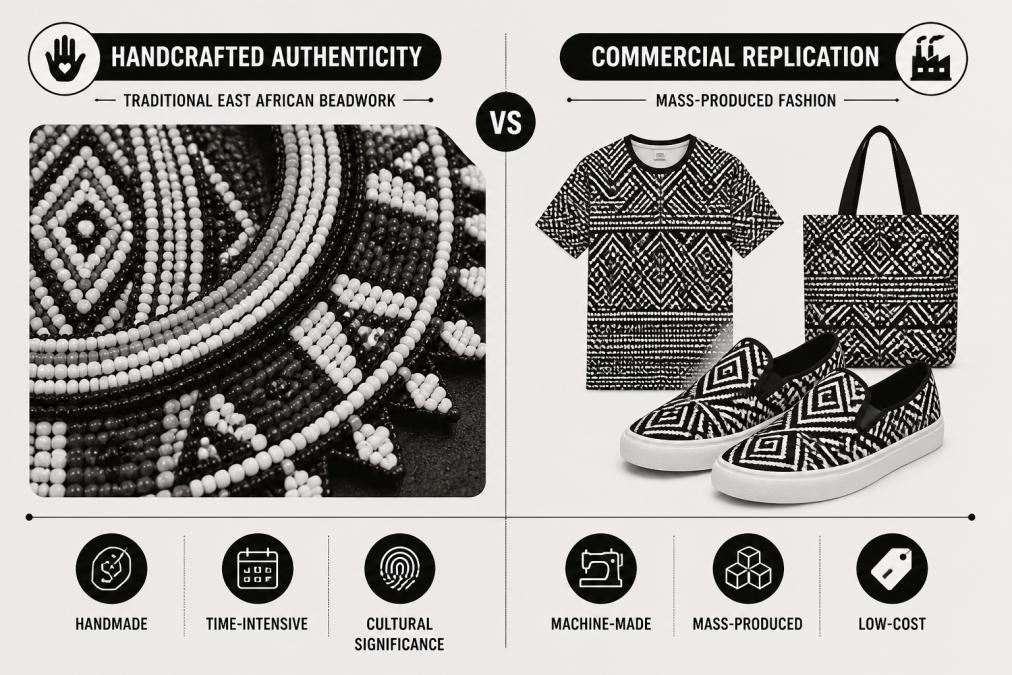
Understanding cultural appropriation requires recognizing that fashion operates within colonial legacies. For centuries, Western fashion industries have extracted designs, motifs, and techniques from colonized regions. This historical context shapes how we evaluate contemporary choices. A designer referencing a culture they belong to operates differently than an outsider claiming those elements as their own innovation.
The semantics matter too. Cultural borrowing, cultural exchange, and cultural appreciation all exist on a spectrum, but appropriation specifically describes the taking without consent or compensation. It involves commodification, turning sacred or significant cultural expressions into marketable products stripped of their original meaning.
Examples of Cultural Appropriation in Fashion
Fashion history provides clear examples of how appropriation operates in practice. When high-end fashion houses introduce "tribal prints" or "ethnic-inspired collections" featuring designs directly copied from Indigenous or African textile traditions, without crediting the source communities or compensating artisans, that's appropriation. The designs carry intellectual property value and cultural significance, yet the originating communities see no recognition or revenue.
The use of sacred artifacts as aesthetic decoration exemplifies the problem. Bindis, worn as religious and marital markers in Hindu and South Asian traditions, became a festival fashion accessory in mainstream Western fashion. The spiritual significance disappeared; only the visual aesthetic remained. South Asian women wearing bindis faced discrimination in professional and social settings, while non-South Asian women wearing them as trendy accessories faced no such consequences. This power differential defines appropriation.
Cornrows and other protective Black hairstyles present another documented case. These styles carry cultural and practical significance within Black communities, they protect hair texture, represent cultural identity, and hold historical meaning. When non-Black celebrities wear cornrows and receive praise for being "edgy" or "fashion-forward," while Black individuals face workplace discrimination for the same styles, the appropriation becomes visible. The style itself isn't the problem; the unequal social consequences are.
Indigenous patterns from North American, Australian, and African tribes have been mass-produced by fashion brands without permission or payment. Geometric designs with specific cultural meanings, representing stories, spiritual beliefs, or community identity, become generic "prints" sold globally. The communities whose ancestors created these patterns often live in poverty while corporations profit from their intellectual heritage.
Stereotypical costume versions of cultural dress represent another form of appropriation. Reducing complex, meaningful garments to "costumes" or "looks" flattens cultural expression into aesthetic performance. This decontextualization erases the garment's actual purpose, history, and significance.
The Power Dynamics Behind Fashion Appropriation
Power imbalances determine whether cultural borrowing becomes appropriation. Fashion operates within global systems where Western and wealthy nations hold disproportionate market power, media influence, and distribution channels. This structural inequality shapes who gets to define trends, whose work gets credited, and who profits.
Marginalized communities often lack the economic resources or industry access to protect their cultural intellectual property. A small artisan collective in East Africa cannot compete with multinational fashion corporations. When a major brand copies their designs, the artisans have limited legal recourse and no platform to claim credit. The corporation has capital, lawyers, and distribution networks; the artisans have craftsmanship and cultural knowledge, but the system values capital more.
The hegemony of Western fashion standards compounds this. Non-Western aesthetics are considered exotic or trendy only when filtered through Western approval and distribution. An East African pattern is "ethnic" until a European designer reinterprets it; then it becomes "innovative." This reflects broader patterns of cultural erasure where dominant cultures absorb, repackage, and resell marginalized cultures' creative output.
Systemic inequality means that marginalized individuals face professional and social consequences for cultural expression while dominant-culture individuals face none. A Black employee wearing locs might be told her hairstyle is "unprofessional," while a white employee wearing similar styles is praised for being "adventurous." This double standard reveals that appropriation isn't just about the item, it's about who's allowed to be associated with it.
The fashion industry's structure reinforces these dynamics. Major fashion houses employ predominantly white creative teams making decisions about what gets celebrated as "inspiration" versus what gets dismissed as "derivative." This gatekeeping determines whose cultural expressions gain platform and prestige.
Cultural Appreciation vs Appropriation in Fashion
The line between appreciation and appropriation exists in the details: consent, credit, compensation, and context. Appreciation involves genuine engagement with another culture, learning its history, understanding its significance, and supporting the people who created it. Appropriation involves taking elements without this foundation.
Appreciation means a non-member learning about a culture's fashion traditions, studying their history, and then supporting artisans from that culture by purchasing directly from them or collaborating respectfully. It means wearing traditional garments when invited to cultural events or when you have genuine connection to the culture. It means amplifying the voices of people from that culture rather than speaking over them.
Appropriation means adopting aesthetic elements without understanding their meaning, wearing sacred items as costume, copying designs without crediting sources, or profiting from cultural expression while the originating communities remain economically marginalized. It means treating another culture's fashion as a trend to consume rather than a living tradition to respect.
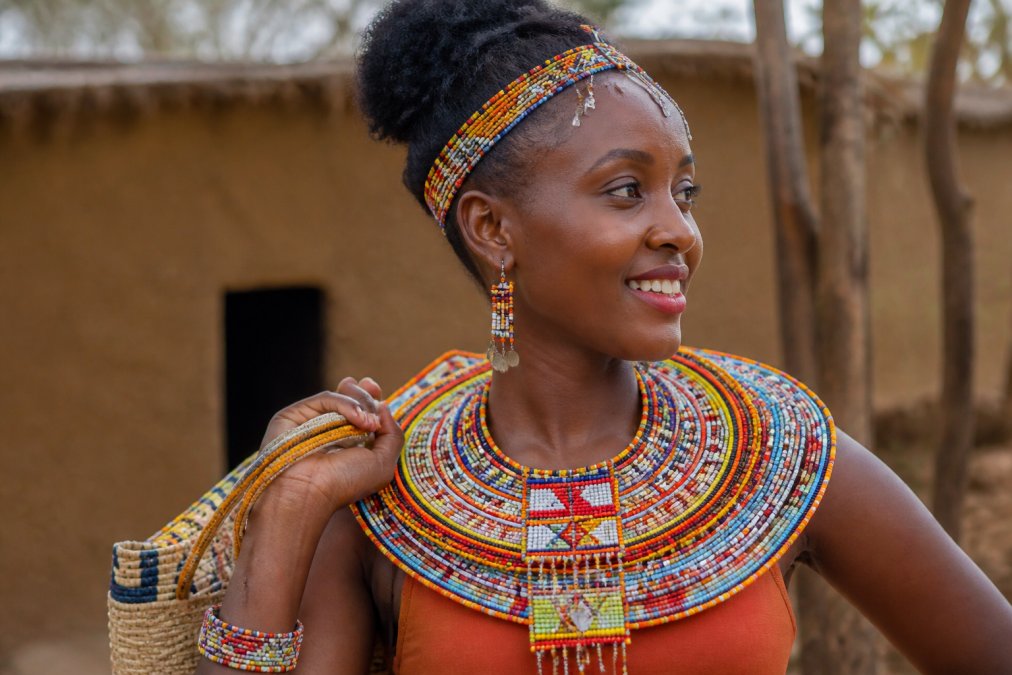
The distinction clarifies in specific scenarios. Wearing a kimono to a Japanese cultural event, having studied its history and been invited by Japanese friends, differs from wearing a "kimono-inspired" costume to a music festival. Buying jewelry directly from East African artisans who created it differs from purchasing mass-produced copies of their designs from a corporation that paid them nothing.
Context matters significantly. A Black hairstylist creating cornrows for clients operates differently than a white-owned salon marketing "edgy" cornrow styles. An Indigenous designer creating patterns from their own tradition operates differently than a non-Indigenous brand copying those patterns. The cultural connection, the economic benefit to the originating community, and the respect for meaning all factor into whether something constitutes appreciation or appropriation.
Impact on Marginalized Communities
Cultural appropriation in fashion creates measurable harms for marginalized communities. Economically, it represents direct financial loss. When corporations copy traditional designs without compensation, artisans and designers from those communities lose market share and income. A handcrafted piece made by a skilled artisan in East Africa competes against mass-produced copies that sell for a fraction of the price but capture market share because consumers don't understand the difference.
The erosion of cultural intellectual property threatens the survival of traditional crafts. When young people in marginalized communities see that their cultural designs are worth more when mass-produced by corporations than when they practice their own traditions, incentives shift away from preserving cultural knowledge. Traditional skills passed through generations risk disappearing as communities abandon them for economic survival.
Appropriation also reinforces stereotypes and misrepresentation. When cultural elements are decontextualized and repackaged as trends, the originating culture's actual complexity and contemporary reality disappear. People from marginalized cultures become associated with outdated aesthetics or stereotypical imagery rather than being seen as living, evolving communities. This perpetuates the notion that marginalized cultures exist as historical artifacts rather than as present-day societies with their own agency.
The psychological and social impact affects individuals from marginalized communities. Facing discrimination for cultural expression while watching others profit from appropriating that same expression creates tangible harm. It sends the message that your culture is acceptable only when filtered through dominant-culture approval.
Appropriation also contributes to cultural erasure. When traditional cultural expressions are absorbed into mainstream fashion without attribution, the connection between the aesthetic and its cultural meaning weakens. Future generations may encounter these designs without knowing their origin or significance, effectively severing the cultural continuity.
Legal and Ethical Boundaries for Designers
The legal landscape for cultural intellectual property remains underdeveloped, creating gaps between what's legally permissible and what's ethically sound. Current intellectual property law protects individual creative works through copyright and trademark, but it struggles with traditional cultural expressions that evolved over generations without single authorship.
Many indigenous and traditional designs lack formal copyright protection because they predate modern legal systems or exist in communities without resources to register intellectual property. This legal gap means corporations can copy these designs with limited legal consequences, even though the ethical violation is clear. A designer can legally copy a pattern that's been part of a culture for centuries because no individual can claim authorship.
Some jurisdictions have begun addressing this. The World Intellectual Property Organization (WIPO) has worked on frameworks for protecting traditional cultural expressions, recognizing that current systems fail marginalized communities. However, enforcement remains weak, and international standards are inconsistent.
Ethically, designers should operate by principles that exceed legal minimums. Seeking permission before using cultural elements, even when legally unnecessary, respects the communities those elements come from. Crediting sources and compensating artisans for inspiration or direct collaboration acknowledges the intellectual contribution. Collaborating directly with artisans from the culture rather than extracting designs creates mutual benefit.
For designers, practical ethical boundaries include: conducting research to understand cultural significance and context, seeking explicit permission when possible, providing fair compensation when using cultural elements, crediting sources publicly, and considering whether your use reinforces stereotypes or perpetuates misrepresentation. These steps go beyond legal requirements but align with the principle that cultural respect matters more than what law technically allows.
How Consumers Can Support Ethical Fashion
Consumer choices directly shape market incentives. When enough people prioritize ethical sourcing and cultural respect, fashion brands respond. Supporting ethical fashion means understanding the difference between appropriation and appreciation in your own purchasing decisions.
Start by researching brands' sourcing practices and cultural connections. Does the brand employ designers and artisans from the cultures it draws inspiration from? Are communities compensated fairly for their intellectual property and labor? Can the brand trace its supply chain transparently? These questions reveal whether a brand practices appreciation or appropriation.
Direct purchase from artisans and community-based brands ensures your money supports the people actually creating the work. When you buy handcrafted pieces directly from East African artisans through platforms that guarantee fair wages and transparent sourcing, you're supporting cultural preservation and community development simultaneously. You know the piece carries authentic cultural significance and that the maker benefited from your purchase.
Educate yourself about the cultural significance of items you wear. Understanding why a particular style matters to a community changes how you approach wearing it. This knowledge also helps you recognize appropriation when you encounter it, you'll notice when cultural elements are decontextualized or misrepresented.
Support brands that collaborate authentically with marginalized communities rather than extracting from them. Authentic collaboration means communities have decision-making power, receive fair compensation, and maintain control over how their cultural expressions are represented. Prideful Pieces of Africa exemplifies this model, each handcrafted piece comes directly from skilled East African artisans who control their work and receive fair wages, ensuring that cultural traditions are preserved while communities benefit economically.
Challenge appropriation when you see it. If a brand is copying traditional designs without crediting sources or compensating artisans, voice that concern. If retailers are selling "ethnic-inspired" pieces that appropriate sacred symbols, ask questions about sourcing and cultural respect. Consumer pressure influences corporate decisions.
Make deliberate choices about when and how you wear cultural items outside your own tradition. Wearing traditional dress to cultural events when invited, or purchasing from artisans within that culture, differs from treating cultural fashion as costume or trend. The intentionality and respect matter.
Support policy efforts that protect traditional cultural expressions. Advocate for stronger intellectual property protections for indigenous and traditional designs. Support organizations working to establish legal frameworks that recognize communities' rights to their cultural heritage.
The distinction between cultural appropriation in fashion and genuine appreciation ultimately comes down to power, consent, and benefit. Fashion shapes how billions of people present themselves to the world, making it a significant arena where cultural respect or disrespect plays out daily. When consumers, designers, and brands prioritize ethical engagement with other cultures, ensuring communities control their narratives, receive fair compensation for their intellectual property, and benefit from the global fashion economy, fashion becomes a vehicle for cultural preservation rather than cultural erasure. Supporting artisans like those at Prideful Pieces of Africa, who create handcrafted pieces rooted in authentic East African traditions while receiving fair wages and maintaining creative control, demonstrates that ethical fashion is both possible and preferable. Your choices matter.
Frequently Asked Questions
What is the difference between cultural appreciation and cultural appropriation in fashion?
Cultural appreciation involves learning about and respecting another culture's traditions with permission and understanding, often involving direct support for artisans. Cultural appropriation strips cultural context and significance, typically profiting dominant culture members while marginalizing the original creators. In fashion, appreciation means sourcing directly from artisans and crediting cultural origins; appropriation means copying sacred or significant designs without consent or compensation to the community.
Why is cultural appropriation considered harmful in the fashion industry?
Cultural appropriation in fashion perpetuates systemic inequality by allowing dominant culture corporations to profit from marginalized communities' intellectual property and cultural heritage without fair compensation. It reduces sacred or meaningful cultural expressions to aesthetic trends, erasing their significance. Artisans from the originating communities often see their designs mass-produced at low wages while corporations and retailers capture the majority of profits, deepening economic disparities.
What are some historical examples of cultural appropriation in fashion?
Major fashion houses have repeatedly appropriated designs from non-Western cultures without credit or compensation. Luxury brands have been called out for selling versions of traditional patterns, textiles, and jewelry at premium prices while original artisan communities received no benefit. Indigenous sacred symbols have been used as decorative patterns on runway pieces, divorcing them from their cultural meaning. These cases illustrate how design plagiarism and commodification of cultural expression harm marginalized communities.
How can I tell if a fashion brand is truly supporting artisans or just using their designs?
Look for transparency in sourcing: brands should clearly name the communities and artisans involved, explain fair wage practices, and share how profits are distributed. Ethical brands like Prideful Pieces of Africa provide direct artisan support, regenerative practices, and verifiable impact (education, clean water access). Avoid brands that use cultural aesthetics without crediting origins or explaining the supply chain. Request proof of artisan collaboration, fair pricing breakdowns, and community investment before purchasing.
Is it okay to wear clothing or accessories from cultures other than my own?
Yes, if done respectfully through ethical fashion choices. Wearing handcrafted pieces directly from artisan communities honors cultural expression and supports preservation of traditions. The key is understanding the cultural significance of what you wear, supporting fair compensation, and avoiding sacred or ceremonial items unless invited to wear them. Purchasing from ethical brands ensures your money supports the communities creating the work, transforming fashion into cultural exchange rather than exploitation.
How can designers engage with other cultures ethically?
Ethical engagement requires genuine collaboration with artisans and communities, not just borrowing aesthetics. Designers should credit cultural origins, share profits fairly, involve community members in design decisions, and respect sacred or ceremonial items by not commercializing them. Building long-term relationships with artisan communities, understanding cultural context, and ensuring transparent sourcing practices transforms fashion into cultural stewardship. This approach supports cultural identity preservation while creating meaningful economic impact.
What role does intellectual property play in cultural appropriation?
Intellectual property law protects individual creators but often fails to protect traditional cultural expressions and collective community heritage. Dominant culture companies can legally copy designs from marginalized communities without compensation because traditional knowledge isn't always legally protected. This gap allows commodification of cultural heritage. Advocates push for stronger protections of traditional cultural expressions, ensuring communities benefit when their designs are commercialized and preventing design plagiarism that erases cultural origins.
This article was written using GrandRanker