

Handcrafted East African Apparel Online: 10 Artisan Collections
Table of Contents
- Why Handcrafted East African Apparel Matters
- Quick Comparison: Top Handcrafted East African Apparel Retailers
- 1. Prideful Pieces of Africa: Hand-Shaped Jewelry and Heritage Apparel
- 2. Swahili Coast: Direct Trade Hand-Dyed Apparel and Accessories
- 3. LachyCouture: Authentic African Print Handmade Clothing
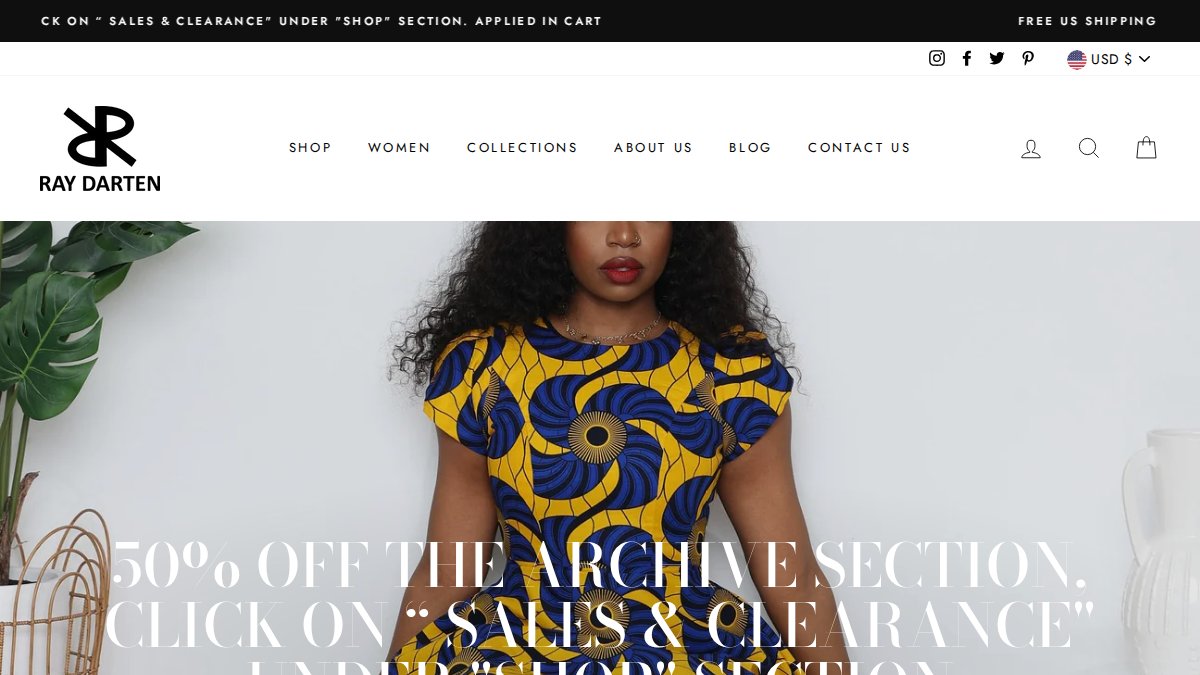
- 4. Ray Darten: Hand-Embroidered African Print Dresses for Women
- 5. Asmara Shikor Fashion: Ethically Sourced Handcrafted Imports from East Africa
- 6. BaobabMart: Authentic Artisan-Made Traditional and Modern African Fashion
Last Updated: August 7, 2026
Why Handcrafted East African Apparel Matters
When you wear handcrafted east african apparel, you're carrying a story shaped by generations of artisanal skill and a single craftsperson's hands, no machines involved. At Prideful Pieces of Africa, we've seen how this matters to people seeking authentic connection to their roots and conscious consumers wanting their purchases to create real change in communities.
The difference between mass-produced and handcrafted apparel is immediate. A factory-made dress follows a template; a handcrafted piece carries intention. Your money goes directly to families, supports children's education, and provides clean water access in the regions where artisans live, not into corporate supply chains.
For people with East African heritage, these pieces reconnect you to identity in ways fast fashion cannot. For socially conscious shoppers, they align values with wardrobe. For gift-givers, they offer genuine meaning.
Quick Comparison: Top Handcrafted East African Apparel Retailers
| Retailer | Specialty | Artisan Focus | Best For |
|---|---|---|---|
| Prideful Pieces of Africa | Handcrafted jewelry, apparel, accessories | Direct East African partnerships | Heritage seekers & impact-driven buyers |
| Swahili Coast | Hand-dyed apparel, accessories, home goods | Direct trade with East African co-ops | Fair trade prioritizers |
| LachyCouture | Authentic African print handmade clothing | Sourced African print fabrics | Everyday & formal wear |
| Ray Darten | Hand-embroidered African print dresses | Artisan embroidery focus | Women seeking elegant, embroidered styles |
| Asmara Shikor Fashion | Ethically sourced handcrafted imports | Multiple East African countries | Buyers wanting regional diversity |
| BaobabMart | Authentic artisan-made traditional & modern fashion | African artisans & cooperatives | Both retail & wholesale buyers |
1. Prideful Pieces of Africa: Hand-Shaped Jewelry and Heritage Apparel
Prideful Pieces of Africa stands apart because every piece is shaped by a single artisan's hands, never touched by a machine. When you order, you support a family in Kenya directly, contribute to a child's school day, and provide clean water access. The regenerative practices embedded in every transaction create layers of impact.
The jewelry collection showcases traditional East African craftsmanship: beaded necklaces, bracelets, and rings reflecting regional design languages passed down through generations. Apparel pieces blend heritage aesthetics with wearable elegance. Each item is one-of-a-kind because handcrafted work produces natural variation.
What sets this collection apart is transparency around impact. You know your money supports specific communities through fair wages and ethical sourcing, with direct artisan partnerships and documented regenerative practices.
Customer testimonials speak to the emotional weight these pieces carry. One buyer from Brooklyn noted that knowing her piece supports a family in Kenya makes wearing it feel sacred. Another described it as becoming an heirloom for her daughter.
2. Swahili Coast: Direct Trade Hand-Dyed Apparel and Accessories
Swahili Coast operates on direct trade with worker-owned co-operatives in East Africa, eliminating middlemen so margins go to the people making the goods. Their hand-dyed apparel includes garments in rich, natural colors created through traditional dyeing methods. Accessories include beaded leather cuffs and handwoven items reflecting East African design traditions. Pricing depends on quantity, dates, and delivery.
What distinguishes Swahili Coast is their focus on growing artisan entrepreneurs. Rather than simply buying finished goods, they invest in building capacity within East African co-operatives, giving artisans agency and ownership in the business model.
Hand-dyed apparel carries color variations that signal authentic natural dyeing. Machine-dyed garments have uniform color; hand-dyed pieces show subtle gradations, evidence of human hands using traditional methods.

3. LachyCouture: Authentic African Print Handmade Clothing
LachyCouture bridges authentic African print fabrics and handmade construction. Their pieces are sewn by hand from genuine African print material, offering traditional textile visuals with custom-tailored fit. The collection spans casual wear, formal dresses, and accessories for men, women, and children.
LachyCouture sources African print fabric directly from skilled artisans, then has those fabrics hand-sewn into finished garments. This two-layer approach ensures both material and construction honor authentic craftsmanship.
The diversity of styles makes this collection practical for everyday wear, not just special occasions. Hand-sewn seams have character; fabric drapes differently; fit reflects individual attention rather than standardized sizing.

4. Ray Darten: Hand-Embroidered African Print Dresses for Women
Ray Darten specializes in hand-embroidered African print dresses, developing deep expertise in embroidery techniques, fabric selection, and construction. Their collection emphasizes intricate embroidery patterns layered over authentic African prints, creating wearable art.
Each dress requires skilled hands working for hours to complete embroidered details. This isn't efficient production; it's intentional craftsmanship.
Ray Darten's commitment to quality, comfort, empowerment, and sustainability shapes every piece. Inclusive sizing accommodates diverse body types, a rarity in handcrafted apparel. Dresses work for everyday wear and formal occasions, making the investment more practical.
5. Asmara Shikor Fashion: Ethically Sourced Handcrafted Imports from East Africa
Asmara Shikor imports handcrafted items directly from multiple East African countries: Eritrea, Ethiopia, Sudan, Kenya, Somalia, and Djibouti. This geographic diversity reflects distinct design traditions of different East African cultures rather than homogenizing them under a single aesthetic.
By importing directly from artisans across this region, Asmara Shikor ensures fair trade practices and authentic cultural representation. Each country contributes unique textile traditions, embroidery styles, and design languages. The collection celebrates this diversity rather than simplifying it.
For buyers wanting to support East African artisans broadly rather than a single country, this regional approach offers genuine variety.

6. BaobabMart: Authentic Artisan-Made Traditional and Modern African Fashion
BaobabMart curates authentic African clothing made by real artisans and cooperatives, not factory replicas. Their collection spans traditional attire like dashikis, boubous, and kaftans alongside modern African fashion pieces. The range accommodates both retail shoppers and bulk buyers.
The collection's breadth reflects how East African fashion evolves while maintaining cultural roots. You can find pieces rooted in heritage alongside designs blending traditional aesthetics with modern silhouettes, making handcrafted apparel accessible for different occasions and personal styles.

Authentic African Clothing Online: What Makes It Genuine
Authenticity in handcrafted east african apparel comes down to verifiable factors. First, the garment should be made by a named artisan or cooperative in an East African country, not designed elsewhere and manufactured outside Africa. Second, construction should be documented as hand-sewn, hand-dyed, hand-embroidered, or hand-beaded, with evidence that machines weren't involved in core production. Third, the supply chain should be transparent enough to trace where your money goes.
Many retailers claim "African-inspired" designs while manufacturing in factories outside Africa. This differs fundamentally from handcrafted apparel made by artisans within East Africa. The distinction matters because authenticity carries cultural integrity and ensures your purchase supports the communities and traditions you're honoring.
Real handcrafted pieces show evidence of human hands: slight irregularities in stitching, natural color variation in hand-dyed fabrics, and imperfections signaling individual creation rather than standardized production. These aren't flaws; they're proof of authenticity.
How to Style African Print Clothing for Every Occasion
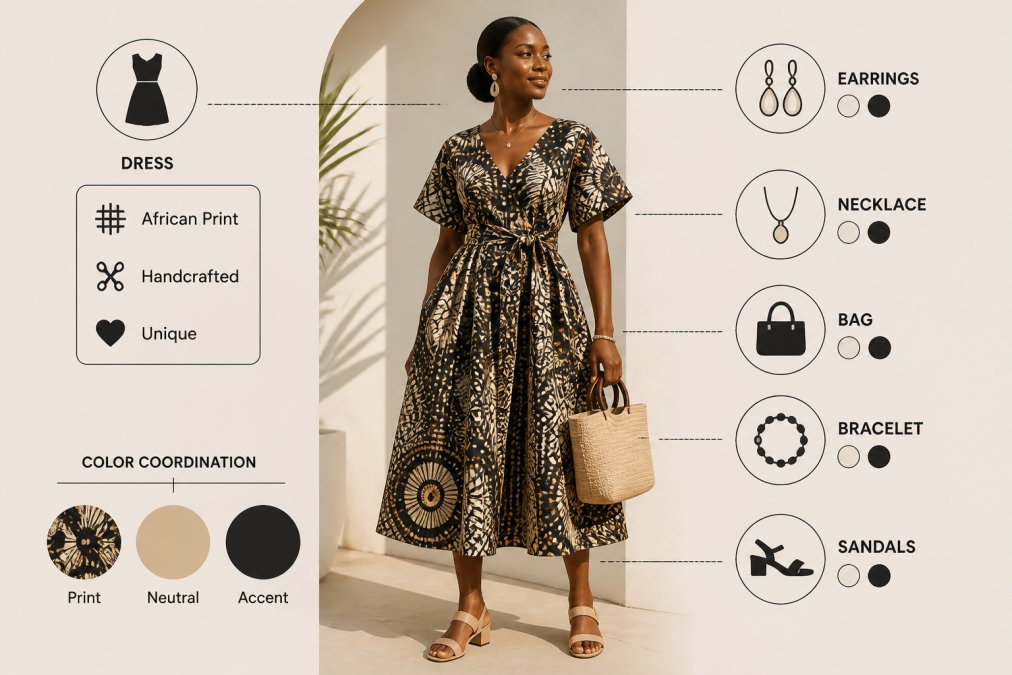
Handcrafted east african apparel works across your entire wardrobe when styled strategically. For everyday wear, pair a bold African print dress with simple accessories and let the garment be the statement. Neutral shoes and a minimal bag keep focus on the craftsmanship and design.
For formal occasions, hand-embroidered dresses or tailored African print pieces function as elegant evening wear. These pieces carry enough visual weight that additional embellishment feels unnecessary.
Layering extends versatility. An African print wrap over neutral clothing creates visual interest while honoring textile traditions. A hand-dyed shirt worn open over a solid base layer combines traditional and contemporary styling.
Let the handcrafted quality and design of each piece guide your choices. These items carry cultural significance; styling them means respecting that through thoughtful, intentional combinations.
Understanding Fabric Quality and Craftsmanship Standards
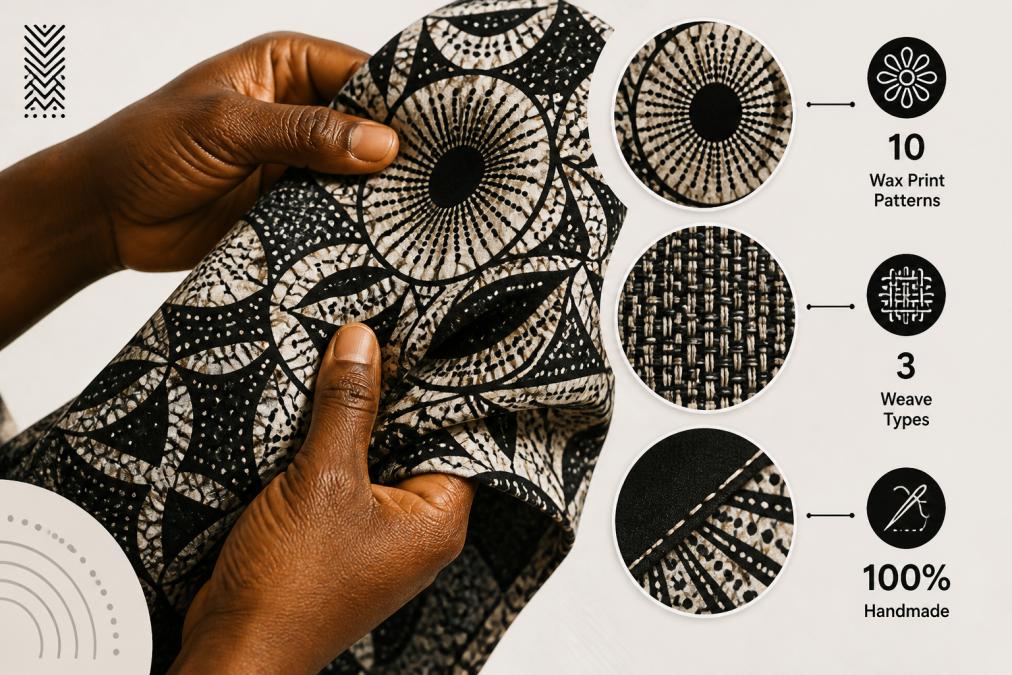
Fabric quality determines durability and how pieces age. Authentic African prints use high-quality cotton wax print fabrics that hold color through repeated washing and develop subtle patina over time. Cheaper imitations use thin cotton or synthetic blends that fade quickly.
Hand-dyed fabrics show natural color variation, normal and expected with traditional methods. Machine-dyed fabrics have uniform color, signaling factory production.
Embroidery quality reflects skill and time invested. Hand-embroidered pieces use consistent thread tension and intentional pattern placement. Loose threads or uneven stitching indicate lower-quality work or mass production.
Beadwork on handcrafted jewelry should be secure and evenly spaced. The string holding beads should be invisible or minimal. Loose beads indicate rushed production.
Seam construction on garments by skilled artisans shows attention to detail: finished seams, reinforced stress points, and even stitching throughout. Hand-sewn seams have slightly more variation than machine seams, but work should be clean and intentional.
Fair Trade, Ethical Sourcing, and Supply Chain Transparency
Ethical sourcing means artisans receive fair wages, work in safe conditions, and have agency in business relationships. Transparent retailers document this through specific claims: "Direct trade with named cooperatives," "Fair wages verified through partnership," or "Artisan-owned businesses."
Red flags include vague language like "supports local communities" without specifics, impossibly low prices for handmade work, or retailers that don't disclose production locations. If a retailer can't tell you which East African country artisans are in or their compensation structure, sourcing probably isn't transparent.
The best retailers provide concrete impact statements: your purchase contributes to a child's school day, provides clean water access, or supports a family in Kenya. This specificity indicates genuine partnerships and documented impact.
Look for certifications or partnerships with fair trade organizations. Some retailers undergo third-party audits to verify ethical practices. Others work with established cooperatives with track records of fair treatment. These markers suggest genuine commitment.
Shopping for handcrafted east african apparel online means choosing pieces that carry meaning beyond aesthetics. When you buy from Prideful Pieces of Africa, you're selecting items shaped by individual artisans in East Africa, knowing your purchase supports families, education, and essential resources in the communities where these pieces originate. Each handcrafted piece becomes an investment in cultural preservation and economic empowerment. Shop and wear the story.
Frequently Asked Questions
Where can I buy authentic handcrafted East African apparel online?
Authentic handcrafted East African apparel is available through specialized retailers that partner directly with artisans. Prideful Pieces of Africa, Swahili Coast, and LachyCouture are known for direct trade relationships and transparent sourcing. When shopping, verify that the retailer specifies which East African country the pieces originate from, details the artisan's role, and explains their fair wage practices. Retailers committed to authenticity will provide information about supply chain transparency and community impact.
How do I verify that African apparel is ethically sourced and not just marketing?
Ethical sourcing goes beyond claims. Look for retailers that publish transparency reports, specify artisan names or cooperative details, and explain wage structures. Genuine fair trade retailers will state the percentage of proceeds supporting education, clean water, or family support in producing communities. Request specific information about production methods, authentic handcrafted pieces are made by individual artisans, not factories. Many ethical retailers offer traceability, allowing you to see where your specific purchase originated.
What fabrics are commonly used in East African handcrafted apparel?
Traditional East African textiles include kikoy, kitenge, khanga, and authentic wax print fabrics. Kikoy is a lightweight striped cotton traditionally worn as a wrap. Kitenge and khanga are colorful printed cotton fabrics featuring bold patterns and often include Swahili proverbs or phrases. Authentic wax print (batiki) features intricate designs created through a wax-resist dyeing process. Hand-dyed and hand-woven textiles are also significant in artisanal collections. Understanding these fabrics helps you identify genuine East African pieces from mass-produced alternatives.
Is it appropriate to wear traditional East African clothing if I'm not from East Africa?
Wearing handcrafted East African apparel is appropriate and encouraged when done respectfully. The fashion celebrates cultural heritage and supports artisan communities. The key is understanding the cultural significance of pieces you wear, some garments mark specific celebrations or occasions. By purchasing from ethical retailers that employ East African artisans, you actively participate in cultural preservation and community empowerment. Many customers from diverse backgrounds wear these pieces as meaningful expressions of cultural appreciation and solidarity with artisan communities.
How should I care for handcrafted African print clothing to preserve its quality?
Handcrafted pieces require gentle care to maintain their integrity. Hand-wash in cool water with mild detergent, as machine washing can fade vibrant prints and damage hand-stitching. Avoid bleach and harsh chemicals. Air-dry away from direct sunlight to prevent fading of hand-dyed fabrics. Store in a cool, dry place to prevent mold or discoloration. For embroidered or beaded pieces, turn them inside-out before washing to protect surface details. Each piece is unique and shaped by a single artisan, so proper care ensures these heirloom-quality items last for generations.
This article was written using GrandRanker