

Handmade East African Apparel for Women: 10 Authentic Brands
Table of Contents
- What Makes Handmade East African Apparel Unique
- How to Style African Wax Print Clothing for Modern Occasions
- Traditional East African Fabrics for Women: Ankara, Kitenge, and Beyond
-
10 Handmade East African Apparel Brands Worth Supporting
- 1. Prideful Pieces of Africa: Artisan-Crafted Heritage
- 2. Zuri: Ethically Made Kenyan Fashion
- 3. lemlem: Ethiopian Artisan Resort Wear
- 4. Ray Darten: African Print with Hand-Embroidery
- 5. Dagmawit: Traditional Ethiopian Habesha Dresses
- 6. Zesty-Couture: Custom African Apparel
- 7. Coquette Kouture: Handmade for the Whole Family
- 8. Obioma Fashion: East Africa Collection
- 9. Swahili Coast: Hand-Dyed Ethical Apparel
- 10. Asmara Shikor Fashion: Multi-Regional East African Imports
- Size Inclusivity and Fit Guides for Handmade East African Apparel
- Sustainable Supply Chain Transparency: What to Look For
- Cultural Authenticity: Wearing East African Apparel Respectfully
- Caring for Your Handmade Pieces: Maintenance and Longevity
Handmade East African Apparel for Women: 10 Authentic Brands
Last Updated: August 3, 2026

When women seek clothing that carries genuine cultural meaning, mass-produced "African-inspired" pieces often disappoint by stripping away artistry and soul. Handmade east african apparel for women represents far more than fashion, it's a direct connection to centuries of textile traditions, skilled artisans, and communities that depend on fair compensation. At Prideful Pieces of Africa, we've curated a guide to authentic handmade east african apparel for women brands available to US consumers, showing you how to identify genuine artisan-made pieces, understand defining fabrics, and support creators who pour their heritage into every stitch.
What Makes Handmade East African Apparel Unique
Authentic handmade east african apparel differs fundamentally from mass-produced "African print" clothing. Handcrafted pieces are shaped by individual artisans who control every element from fabric selection through final embroidery, ensuring no two items are identical. Traditional methods like hand-weaving, natural dyeing, and intricate embroidery create textiles with depth and character that factory production cannot replicate.
Beyond aesthetics, authentic pieces support regenerative practices. Artisans working through fair-trade partnerships receive wages that fund education, clean water access, and economic stability in their communities.
How to Style African Wax Print Clothing for Modern Occasions
African wax print fabrics, bold, geometric, and instantly recognizable, have become global style staples. The key is understanding that wax print invites creative pairing with modern silhouettes.
For professional settings, pair a wax print Ankara blouse with tailored neutral trousers or a sleek pencil skirt under a structured blazer in black, white, or deep jewel tones. For casual wear, a wax print maxi dress pairs beautifully with white sneakers, a denim jacket, and a crossbody bag. The principle is balance: if your print is bold and multicolor, keep accessories minimal and neutral.
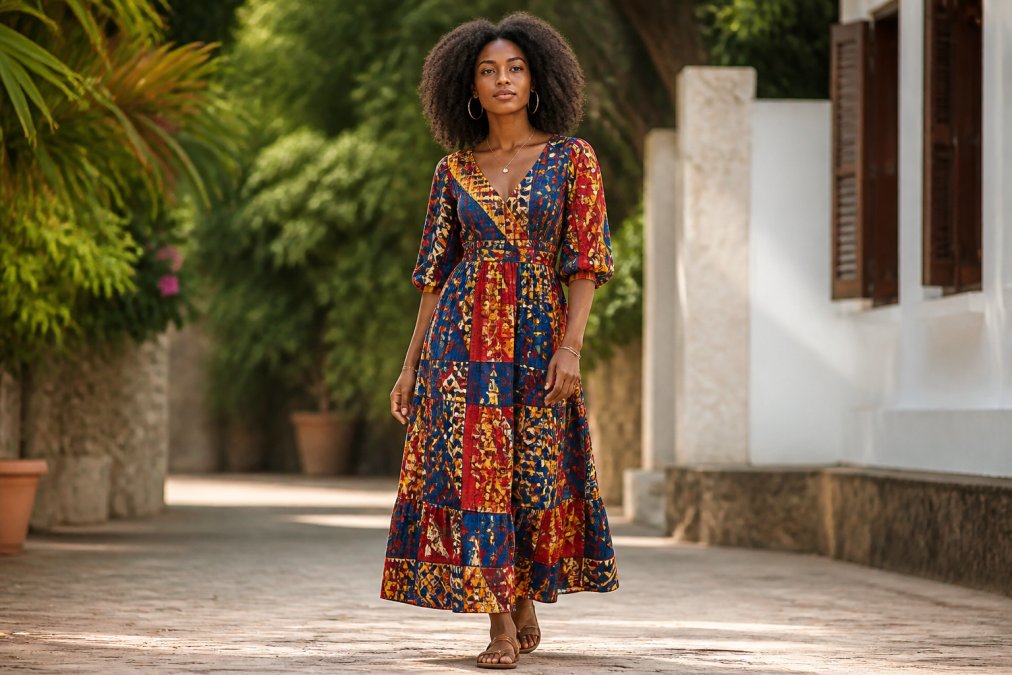
Evening occasions call for dramatic presentation. A wax print kaftan or kimono-cut dress needs minimal additional styling, statement earrings and a clutch suffice. Let one element dominate: if your dress is a bold print, keep hair, makeup, and accessories understated.
Traditional East African Fabrics for Women: Ankara, Kitenge, and Beyond
East African textile traditions encompass far more than a single fabric type, each with distinct characteristics and cultural significance.
Ankara, also called African wax print or Dutch wax, developed through colonial-era trade routes when European manufacturers produced batik-inspired designs for African markets. East African artisans adopted and adapted these vibrant prints, developing their own aesthetic language.
Kitenge uses direct dye application to cotton fabric, creating patterns more painterly than geometric with softer visual impact and nuanced color gradations.
Khanga and Kikoy represent coastal East African textile traditions, particularly strong in Kenya and Tanzania. Khanga features intricate patterns often with Swahili proverbs woven into borders, carrying linguistic and cultural meaning. Kikoy, traditionally worn as wraparound skirt or shawl, uses lighter cotton with bold stripes and geometric elements.
Batik and Batiki involve hand-wax-resist dyeing techniques creating organic, flowing patterns. Each piece is genuinely unique, with subtle imperfections signaling authentic hand-craftsmanship.
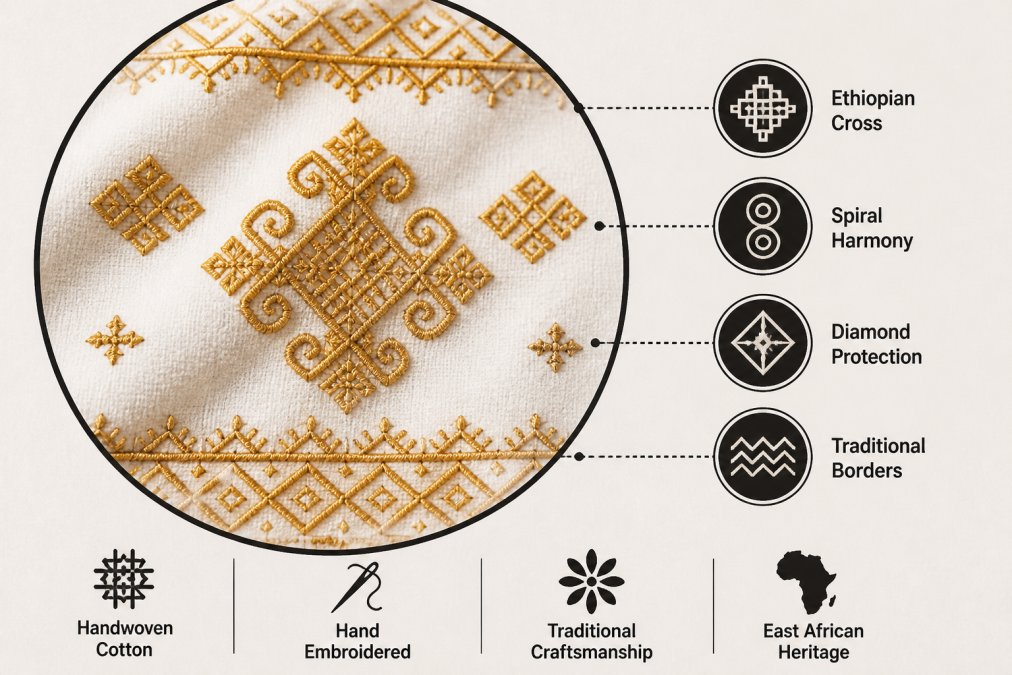
Embroidered textiles, particularly in Ethiopian and Eritrean traditions, feature hand-embroidery on cotton or linen creating dimensional detail. Golden thread embroidery on white Habesha Kemis represents centuries of technique refinement and remains central to ceremonial dress.
10 Handmade East African Apparel Brands Worth Supporting
1. Prideful Pieces of Africa: Artisan-Crafted Heritage
Prideful Pieces of Africa stands apart because every piece is shaped by a single artisan's hands, never a machine. The brand specializes in handcrafted jewelry, apparel, and accessories celebrating East African cultural identity through authentic, one-of-a-kind designs. Each purchase directly supports artisan families in Kenya through fair wages and transparent sourcing.
Your money funds a child's school day, provides clean water access to a village, or supports essential family needs.
2. Zuri: Ethically Made Kenyan Fashion
Zuri offers bold, versatile apparel made entirely in Kenya using Kenyan-grown cotton for select collections. The brand focuses on dresses, tops, and bottoms with vibrant prints suitable for everyday wear and special occasions, starting at $165 for dresses. Zuri publishes detailed information about Kenyan manufacturing partners, wage structures, and production practices, balancing traditional African aesthetics with contemporary silhouettes.
3. lemlem: Ethiopian Artisan Resort Wear
Founded by Ethiopian supermodel Liya Kebede, lemlem brings high-fashion sensibility to artisan-made resort wear and swimwear. Pricing ranges from $200 to $400 and beyond. The brand works directly with traditional weavers, supporting their craft while creating contemporary designs honoring Ethiopian weaving traditions. The aesthetic is unmistakably Ethiopian, bold stripes, saturated colors, and celebration translating across every piece.
4. Ray Darten: African Print with Hand-Embroidery
Ray Darten specializes in African print clothing enhanced with intricate hand-embroidery, creating pieces both traditional and contemporary. Dresses typically range from $100 to $300, with designs suitable for everyday wear through formal occasions. The brand explicitly commits to inclusive sizing and uses top-tier materials with durable construction.
5. Dagmawit: Traditional Ethiopian Habesha Dresses
Dagmawit specializes exclusively in handwoven Ethiopian Habesha Kemis dresses, the traditional garment central to Ethiopian cultural identity. Prices range from $235 for crop top and skirt sets to $500 for family packs. Each piece features intricate golden embroidery on handwoven cotton, creating heirloom-quality garments. Handweaving cotton takes days or weeks per garment, with embroidery adding additional hours of skilled work.
6. Zesty-Couture: Custom African Apparel
Zesty-Couture is a Black-owned small business offering custom-made African dresses, tops, skirts, and accessories. Pricing ranges from $15 for scrunchies to $250 for custom dresses, with flexibility based on customization level. The brand uses premium African fabrics including Ankara, Kente, Batik, and Kampala, with customization available for regular and plus sizes. Setup typically takes 1-2 weeks for basic custom orders.
7. Coquette Kouture: Handmade for the Whole Family
Coquette Kouture offers handmade African fashion for women, men, and children, including dresses, skirts, tops, and accessories like handbags, scarves, and head wraps. Pricing varies significantly, with dresses typically ranging from $50 to $200. Collections include "Mommy & Me" and "His & Hers" sets for coordinated family looks, with particularly strong accessory selection offering entry points for those hesitant about full garments.
8. Obioma Fashion: East Africa Collection
Obioma Fashion's East Africa Collection features garments specifically inspired by East African aesthetics, made with traditional African fabrics and enhanced with subtle to multicolor embroidery. Dresses typically range from $70 to $150, with East Africa-specific focus differentiating this brand from those drawing inspiration across the entire continent.
9. Swahili Coast: Hand-Dyed Ethical Apparel
Swahili Coast specializes in hand-dyed apparel and goods crafted in East Africa through partnerships with artisan co-operatives and fair-trade principles. Apparel typically ranges from $50 to $150. Hand-dyeing creates unique color variations and depth impossible in industrial dyeing, with each piece genuinely one-of-a-kind. The brand's commitment to worker-owned co-operatives means artisans have agency and equity in the business. Free US shipping on orders over $75 makes multiple purchases more economical.

10. Asmara Shikor Fashion: Multi-Regional East African Imports
Asmara Shikor imports ethically sourced, handcrafted items primarily from East Africa, Eritrea, Ethiopia, Sudan, Kenya, Somalia, and Djibouti. The brand's strength is its multi-regional approach, offering pieces reflecting the diversity of East African cultures rather than a single aesthetic.
| Brand | Starting Price | Best For | Key Differentiator |
|---|---|---|---|
| Prideful Pieces of Africa | Varies | Meaningful, one-of-a-kind pieces with documented impact | Each piece shaped by single artisan; regenerative practices |
| Zuri | $165 (dresses) | Ethically made contemporary pieces | 100% Kenyan production and cotton for select collections |
| lemlem | $200+ | Resort wear and investment pieces | Ethiopian weaving traditions with high-fashion design |
| Ray Darten | $100-$300 | Versatile everyday and formal wear | Hand-embroidery detail on African prints |
| Dagmawit | $235-$500 | Authentic Ethiopian ceremonial dress | Handwoven Habesha Kemis with golden embroidery |
| Zesty-Couture | $15-$250 | Custom pieces tailored to personal vision | Black-owned small business with full customization |
| Coquette Kouture | $50-$200+ | Family coordinated outfits and broad accessories | Extensive range including "Mommy & Me" collections |
| Obioma Fashion | $70-$150 | East Africa-specific inspired pieces | Subtle to bold embroidery options |
| Swahili Coast | $50-$150 | Hand-dyed unique pieces | Worker-owned co-operative partnerships |
| Asmara Shikor | Contact brand | Multi-regional East African exploration | Imports from six East African nations |
Size Inclusivity and Fit Guides for Handmade East African Apparel
Handmade garments present unique sizing challenges because artisans work from patterns rather than standardized measurements. Legitimate brands address this through detailed fit guides, customization options, or flexible sizing.
Request detailed measurements before purchasing. Reputable brands provide chest width, shoulder width, length from shoulder, and sleeve length in inches or centimeters. Compare these directly to garments you already own and fit well. Many brands offer custom sizing or made-to-order options specifically to accommodate diverse body types. Kaftans and wraps are inherently flexible, adjusting to various body shapes, while fitted dresses require more precision sizing.
Sustainable Supply Chain Transparency: What to Look For
Ethical claims mean nothing without transparency. Legitimate brands name their partner communities, artisans, or co-operatives rather than using vague language. They publish wage information, what percentage of your purchase price goes directly to the maker versus overhead, and whether that meets living wage standards for their region.
Ask for supply chain documentation. Reputable brands maintain relationships with specific artisans or co-operatives and can provide names, locations, and production information. Check whether materials are sourced sustainably, ethical wages matter less if cotton comes from exploitative farms or fabrics are dyed with toxic chemicals. Consider whether the brand owns its supply chain or relies on middlemen. Direct artisan partnerships mean fewer hands between maker and buyer, reducing exploitation risk.
| Supply Chain Element | What to Look For | Red Flags |
|---|---|---|
| Artisan information | Named communities, specific co-operatives, artisan stories | "We support African artisans" with no specifics |
| Wage transparency | Published wage per piece, living wage comparison | No wage information disclosed |
| Material sourcing | Specified fabric origin, natural dye methods | Generic "premium materials" without detail |
| Impact documentation | Annual reports, specific outcomes (schools, water access) | Vague impact claims without numbers |
| Supply chain ownership | Direct partnerships, named suppliers | Unnamed wholesale relationships |
Cultural Authenticity: Wearing East African Apparel Respectfully
Wearing handmade east african apparel as someone without East African heritage carries responsibility. These pieces represent cultural traditions, not costumes, and wearing them respectfully means understanding context and intention.
Learn the cultural significance of what you're wearing. If you choose a Habesha Kemis, understand that this is Ethiopian ceremonial dress with specific occasions and meanings. Avoid reducing these garments to "African fashion" as though the continent is monolithic. Eritrean dress differs from Kenyan dress differs from Tanzanian dress. Support authentic artisans rather than Western brands appropriating African aesthetics.
Wearing these pieces as a non-African person doesn't make you an interloper, it makes you a participant in global culture. The artisans creating these pieces want them worn and celebrated. Respectful wearing means honoring the craftsmanship, understanding the context, supporting fair compensation, and acknowledging cultural roots rather than claiming the tradition as your own.
Caring for Your Handmade Pieces: Maintenance and Longevity
Handmade garments require different care than mass-produced clothing. Hand-wash most pieces in cool water with mild detergent rather than machine washing, as hand-stitching can loosen under machine agitation. Submerge the garment, gently agitate, rinse thoroughly, and squeeze out excess water without wringing.
Natural dyes used in hand-dyed pieces bleed more readily than synthetic dyes, especially in first washes. Wash new hand-dyed pieces separately in cool water and mild detergent. Dry flat or hang pieces to air-dry rather than using a dryer, as heat damages hand-stitched seams. Store pieces in breathable fabric bags or acid-free tissue rather than plastic. Address stains immediately with cool water and mild soap, avoiding bleach entirely.
Minor repairs extend garment life dramatically. If a seam begins to separate, hand-stitch it closed. If embroidery threads loosen, secure them with small stitches. These repairs take 15-30 minutes and prevent minor issues from becoming irreparable damage.
Choosing handmade east african apparel for women means choosing pieces with genuine cultural roots, transparent supply chains, and measurable impact on artisan communities. Brands like Prideful Pieces of Africa lead this space by ensuring every purchase creates documented positive change while guaranteeing each piece is shaped by skilled artisans rather than machines. When you invest in authentic, handcrafted pieces and care for them properly, you're supporting generations of tradition, preserving cultural identity, and helping families across East Africa. Start with Prideful Pieces of Africa to experience pieces where every detail carries meaning and every purchase creates impact.
Frequently Asked Questions
What makes handmade east african apparel different from mass-produced clothing?
Handmade east african apparel is crafted by individual artisans using traditional techniques, meaning no two pieces are identical. Each garment carries the maker's skill and cultural heritage. Mass-produced items use machines and are designed for uniformity. Handmade pieces support fair wages directly to artisans, preserve traditional textile methods like embroidery and hand-dyeing, and often use ethically sourced fabrics like Ankara and Kitenge. When you purchase handmade apparel, your money directly funds families, education, and clean water in artisan communities.
How do I verify that east african apparel is ethically made and fairly sourced?
Look for brands that provide transparent supply chain information: they should name the countries and regions where pieces are made, explain how artisans are paid, and share impact metrics like number of families supported or school programs funded. Authentic ethical brands often feature artisan stories, photos of workshops, or third-party fair trade certifications. Ask brands directly about their wage standards, working conditions, and community benefits. Avoid vague claims like 'ethically made' without specifics. Check if they partner with cooperatives or worker-owned businesses, which typically offer stronger protections than individual contracts.
Is it appropriate for non-African people to wear handmade east african apparel?
Yes, wearing east african apparel is respectful when you approach it with cultural awareness. These garments celebrate African heritage and support artisan communities financially. The key is understanding what you're wearing: learn about the fabric's origins, the print's cultural meaning, and the artisan's story. Avoid treating the clothing as a costume or trend. Wear it as you would any meaningful piece of clothing, with appreciation for its craftsmanship and cultural significance. Many non-African customers of ethical brands like Zuri, lemlem, and Prideful Pieces of Africa wear these pieces daily as expressions of global solidarity and genuine style.
What are the most common traditional east african fabrics for women's apparel?
Ankara (also called African wax print) is bold, colorful, and widely used across East Africa for dresses, skirts, and tops. Kitenge is a lighter cotton fabric with similar vibrant prints, popular for everyday wear. Khanga is a rectangular cotton cloth with proverbs or patterns, traditionally worn as a wrap. Batiki features hand-dyed or hand-waxed patterns and creates unique, one-of-a-kind pieces. Kikoy is a striped fabric from coastal East Africa, often used for casual apparel. Handwoven cotton is used for traditional garments like Ethiopian Habesha dresses, featuring intricate embroidery. Each fabric carries regional significance and traditional production methods that artisans continue today.
What should I know about sizing and fit when ordering handmade east african apparel online?
Handmade pieces often have slight variations in fit since they're crafted individually rather than mass-produced. Always check detailed measurements provided by the brand, not just S, M, L sizing. Many artisan brands offer custom sizing or tailoring options to ensure proper fit. East African apparel often features generous, flowing silhouettes, so a garment may fit differently than Western ready-to-wear. Look for brands that provide fit guides, photos of pieces on different body types, and clear return policies in case sizing doesn't work. Some brands like Zesty-Couture specialize in custom orders for regular and plus sizes, ensuring every customer finds pieces that fit their body and style.
This article was written using GrandRanker