

How Ethical Fashion Supports Communities
Table of Contents
- How Ethical Fashion Supports Communities Through Fair Wages
- Economic Empowerment and Long-Term Livelihoods
- Safe Working Conditions and Labor Rights Protection
- Preservation of Traditional Craftsmanship and Cultural Heritage
- Fair Trade Clothing Benefits for Local Economies
- How to Identify Ethical Clothing Brands That Truly Support Communities
- Measuring Real Impact: From Artisan to Community
- Conclusion
Last Updated: August 13, 2026
How Ethical Fashion Supports Communities Through Fair Wages
Ethical fashion supports communities by ensuring artisans receive compensation that reflects the true value of their work. When you purchase a handcrafted piece, fair wages form the foundation of meaningful community impact. Unlike fast fashion, where production workers earn poverty wages, ethical brands prioritize living wages that allow artisans to meet their families' basic needs.
At Prideful Pieces of Africa, every purchase directly supports skilled artisans in East Africa through transparent, fair compensation. The difference is tangible: artisans can afford education for their children, healthcare, and stable housing when they're paid fairly for their labor. This isn't charity, it's commerce built on respect for human dignity.
Fair wages in ethical fashion typically cover several critical areas. First, they account for the actual cost of living in the artisan's region, not an arbitrary global minimum. Second, they include compensation for the time and skill required, recognizing that handcrafted work demands years of training and expertise. Third, they build in margins that allow artisans to invest in their own businesses and communities.
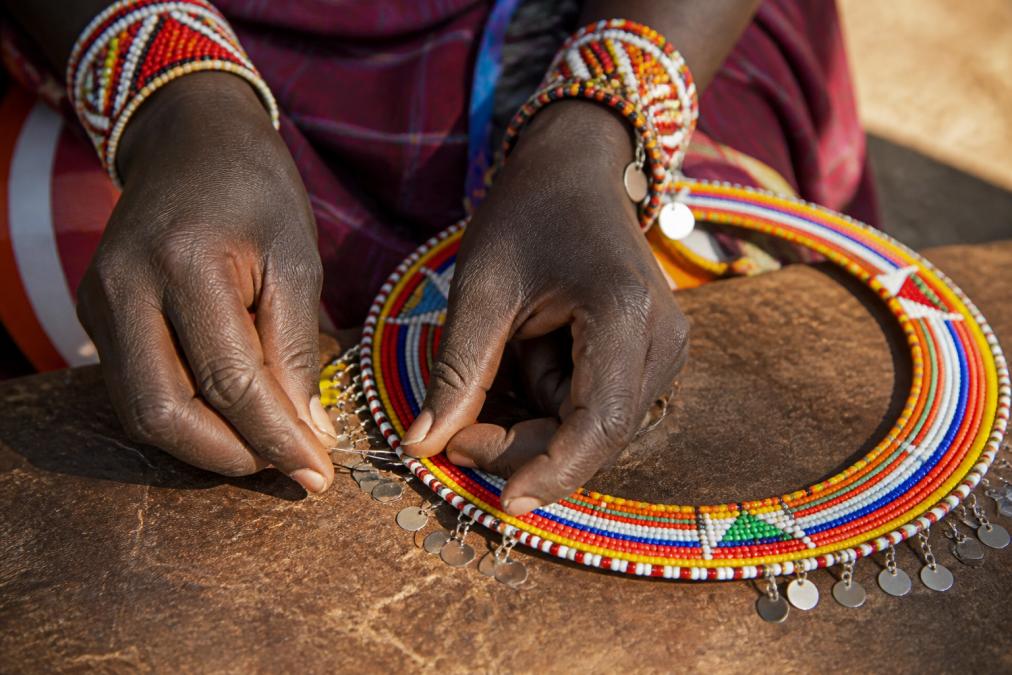
The relationship between fair wages and community stability runs deeper than individual income. When artisans earn living wages, they stay in their communities rather than migrating to urban centers for survival. This preserves the social fabric and cultural continuity that makes traditional craftsmanship possible. Families remain intact, knowledge passes to the next generation, and communities maintain their identity.
Economic Empowerment and Long-Term Livelihoods
Economic empowerment through ethical fashion extends beyond individual wages to create sustainable livelihoods for entire communities. When artisans receive consistent, fair income from their craft, they can plan for the future, invest in tools and materials, and pass their skills to younger generations. This stability transforms how communities function economically.
Artisans who earn fair wages often become entrepreneurs within their own communities. They hire apprentices, purchase better materials, and improve their production capabilities. Some establish cooperative businesses that collectively negotiate better prices and access larger markets. These aren't accidental outcomes, they're direct results of economic security that fair compensation provides.
The multiplier effect of fair wages strengthens local economies significantly. When an artisan earns fair income, they spend it locally: buying food from neighbors, paying for their children's school fees at community schools, purchasing materials from local suppliers. This circulation of money strengthens the entire regional economy rather than extracting wealth to distant corporate headquarters.
Long-term livelihoods also mean reduced economic vulnerability. Artisans with stable income from ethical fashion brands weather economic downturns better than those dependent on irregular, low-wage work. They can save for emergencies, invest in their craft, and build assets. This resilience protects families from the cycles of poverty that trap communities in survival mode.
Safe Working Conditions and Labor Rights Protection
Ethical fashion supports communities by guaranteeing safe working environments and protecting fundamental labor rights. Traditional craftsmanship demands specific conditions: proper lighting for detailed work, ergonomic spaces that prevent repetitive strain injuries, and freedom from coercion or exploitation. These standards are non-negotiable in ethical production.
Safe working conditions in ethical fashion include several concrete protections. Artisans work in environments with adequate ventilation, natural light, and access to clean water. They maintain control over their schedule, no forced overtime or unreasonable production quotas. They have the right to organize, to refuse unsafe work, and to speak up about problems without fear of retaliation or job loss.
Labor rights protection means artisans retain ownership and control over their work. They decide what they create, how they create it, and when they create it. This autonomy is fundamental to preserving traditional craftsmanship and respecting artisan dignity. Contrast this with factory systems where workers follow rigid instructions and have no creative input.
Many ethical brands establish clear agreements with artisans that outline working conditions, compensation, and dispute resolution processes. These written commitments create accountability and give artisans recourse if problems arise. Transparency in these agreements signals respect for artisan agency and professional relationships built on mutual trust rather than power imbalance.
Preservation of Traditional Craftsmanship and Cultural Heritage
Ethical fashion creates economic incentive for communities to preserve traditional craftsmanship that might otherwise disappear. When beading techniques, weaving patterns, or metalworking methods command fair prices in global markets, younger generations see these skills as viable careers rather than relics of the past. This economic viability is essential for cultural survival.
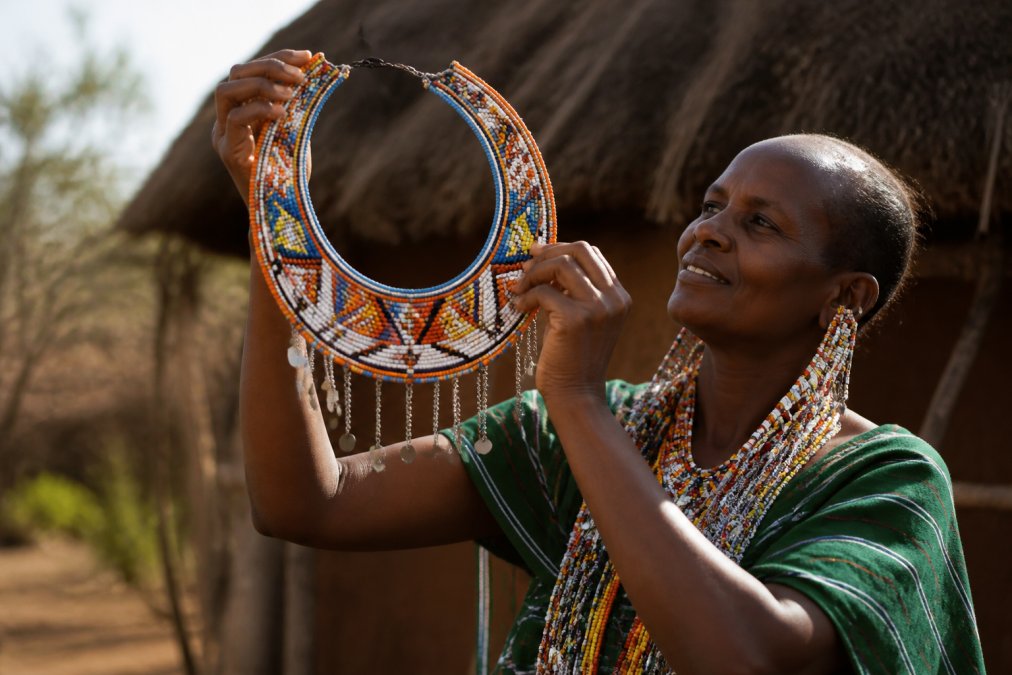
Traditional techniques carry cultural knowledge accumulated over generations. A specific beading pattern might encode a family's history or represent a particular region's identity. Weaving methods might reflect seasonal rhythms or spiritual beliefs embedded in the craft itself. When these techniques are preserved through ethical fashion, entire cultural narratives survive and remain accessible to future generations.
The economics of preservation matter profoundly. If traditional craftsmanship generates only subsistence income while factory work offers slightly better pay, young people choose the factory. But when ethical brands pay fairly for handcrafted work, the math changes. A young artisan can earn a dignified living while learning their grandmother's techniques. This economic shift makes cultural preservation possible.
Brands like Prideful Pieces of Africa actively support this preservation by sourcing directly from artisans using traditional methods. Each purchase of a handcrafted piece affirms that these skills have value in the contemporary world. This validation matters, it tells communities that their heritage is worth sustaining.
Fair Trade Clothing Benefits for Local Economies
Fair trade clothing benefits extend throughout local economies by creating stable demand for materials, supporting small suppliers, and generating tax revenue that funds community infrastructure. When ethical brands commit to consistent purchasing from specific artisans, they create predictable income that allows local economies to plan and invest.
Fair trade relationships often include investment in local supply chains. An ethical brand might help artisans access better quality materials at fair prices, work with local dyers to develop sustainable color processes, or connect with tool makers to improve production efficiency. These investments strengthen the entire ecosystem around artisan production rather than extracting resources and leaving communities unchanged.
Local economies benefit from the multiplier effect of fair trade purchasing. An artisan earning fair wages spends money locally: purchasing food, paying school fees, investing in home improvements. These purchases support other community members, teachers, merchants, builders. The economic activity generated by fair trade wages circulates within communities rather than flowing to distant corporations.
Fair trade also generates revenue for community development. Many ethical brands contribute a percentage of sales to community funds that support education, clean water access, healthcare, or infrastructure projects. These contributions are often decided by community members themselves, ensuring resources address actual local priorities rather than external assumptions about what communities need.
How to Identify Ethical Clothing Brands That Truly Support Communities
Identifying genuinely ethical brands requires looking beyond marketing language to concrete evidence of community support. Start by asking: Does the brand publish transparent information about who makes their products and how much they're paid? Legitimate ethical brands openly share artisan names, locations, and compensation details. They understand that transparency builds trust and accountability.
Verify supply chain transparency by checking whether the brand can trace products back to specific artisans or production facilities. Ethical brands often feature artisan stories, photographs, and names on their website. This isn't marketing, it's accountability. If a brand claims to support communities but keeps production anonymous, that's a red flag.
Look for third-party certifications from organizations that verify fair wages and safe working conditions. Fair trade certifications, labor rights organizations, and environmental standards provide independent verification that brands actually meet their claims. These certifications aren't perfect, but they represent external accountability beyond brand self-reporting.
Ask about community engagement and decision-making. Do community members have a voice in how the brand operates? Are they consulted about production methods, design decisions, and community benefit programs? Ethical brands treat communities as partners in decision-making, not passive recipients of charity.
Check whether the brand supports long-term relationships with artisans. Ethical production requires stability and trust. Brands that constantly switch suppliers to chase the lowest prices aren't supporting genuine community development. Look for brands that publicly commit to working with the same artisans over years or decades.
Measuring Real Impact: From Artisan to Community
Measuring community impact requires moving beyond abstract claims to specific, quantifiable outcomes. Ethical brands should be able to answer concrete questions: How many families receive fair wages? How many children attend school because of fair trade income? How much has clean water access improved in supported communities?
Real impact measurement starts with artisan-level data. How much does each artisan earn per month compared to local living wage standards? Has their income increased year over year? Can they cover basic needs, food, housing, healthcare, without additional work? These questions reveal whether fair wages actually translate to improved living standards.
Community-level impact metrics tell a broader story. How many children from artisan families now attend school consistently? What percentage of community members have access to clean water? Has healthcare use increased? Are young people choosing to stay in their communities rather than migrating for work? These indicators reveal whether economic empowerment translates to genuine community development.
Environmental impact measurement matters equally. Are sustainable production methods reducing water pollution, chemical exposure, and waste? Are artisans able to invest in regenerative practices that improve their environment? Ethical fashion should support both human communities and the ecosystems they depend on.
Transparency about impact means brands share both successes and challenges. They acknowledge what's working and what needs improvement. They involve communities in defining what "impact" means rather than imposing external metrics. This honesty signals genuine commitment to community partnership rather than performative social responsibility.
Conclusion
Ethical fashion represents a fundamental shift in how commerce can work, where community empowerment isn't an afterthought but the central purpose of the business model. When you choose handcrafted pieces from ethical brands, you're not just purchasing a beautiful item; you're participating in an economic system that respects artisan dignity, preserves cultural heritage, and strengthens communities.
At Prideful Pieces of Africa, every handcrafted piece carries this commitment. Each purchase supports a family in Kenya, contributes to a child's school day, and provides a village with clean water. By choosing artisan-made, fairly compensated pieces, you're wearing history while actively helping the communities that create it. Shop pieces that matter, where beauty, culture, and community impact are inseparable.
| Impact Area | How It Works | Community Benefit |
|---|---|---|
| Fair Wages | Artisans earn living compensation for their work | Families meet basic needs, children attend school |
| Economic Empowerment | Stable income enables investment and entrepreneurship | Communities build long-term wealth and resilience |
| Labor Rights | Safe conditions and creative control | Artisan dignity and protection from exploitation |
| Cultural Preservation | Fair prices make traditional skills economically viable | Traditional craftsmanship survives and thrives |
| Local Economies | Fair trade spending circulates within communities | Multiplier effects strengthen entire regions |
According to United Nations Sustainable Development Goals on decent work and economic growth, fair labor practices and economic empowerment are foundational to sustainable development. The ethical fashion movement aligns commerce with these global priorities.
Research from the International Labour Organization on fair wages and working conditions confirms that living wages and safe working environments are essential for breaking cycles of poverty and enabling genuine community development. Ethical fashion brands that prioritize these standards create measurable, lasting impact.
The Fair Trade International standards for ethical production establish comprehensive criteria for fair compensation, worker rights, and community investment. Brands certified to these standards demonstrate accountability to independent verification that their community claims are genuine.
Frequently Asked Questions
How does ethical fashion actually support communities compared to regular fashion brands?
Ethical fashion directs a significantly larger portion of revenue directly to artisans through fair wages, while regular fast fashion pays workers minimal wages. When you buy from ethical brands, your money funds education, clean water, healthcare, and economic stability in artisan communities. Handcrafted pieces ensure single artisans receive full credit and compensation for their work, creating measurable community impact rather than profits flowing to distant shareholders.
What are the main fair trade clothing benefits for workers and their families?
Fair trade clothing guarantees living wages that cover basic needs, safe working conditions, and job security. Workers can afford education for their children, healthcare, and housing. Beyond wages, fair trade supports cooperative ownership, skill development, and long-term economic resilience. Artisans gain respect for their craftsmanship, cultural pride in their work, and stability that allows them to invest in their families' futures rather than living paycheck to paycheck.
How can I identify ethical clothing brands that truly support their communities?
Look for brands that provide supply chain transparency, showing exactly who made your piece and where. Verify fair trade certifications or direct artisan partnerships. Authentic ethical brands share specific impact stories, how many families they support, what education or water projects they fund. Ask for proof: impact reports, artisan photos, wage breakdowns. Brands that hide their sourcing or use vague language like 'ethically made' without details are likely not genuinely supporting communities.
What's the difference between sustainable and ethical fashion?
Sustainable fashion focuses on environmental impact, using eco-friendly materials, reducing waste, and lowering carbon footprint. Ethical fashion prioritizes human rights, fair wages, safe conditions, and community empowerment. The best brands combine both: they use sustainable production methods while ensuring artisans earn living wages and work safely. A piece can be made from organic cotton (sustainable) but still involve exploited workers (unethical). True impact requires both environmental and social responsibility.
This article was written using GrandRanker