

Is Wearing African Jewelry Cultural Appropriation?
Table of Contents
- Cultural Appropriation vs. Cultural Appreciation: Understanding the Distinction
- The Historical Significance and Meaning of Waist Beads in African Culture
- Why Intent Matters: The Role of Respect in Wearing Ethnic Jewelry
- How to Support Black-Owned Jewelry Businesses and Authentic Artisans
- Supply Chain Transparency: Verifying Authentic African Craftsmanship
- Regional Specificity and the Diaspora: Why Context Matters
- Practical Steps to Wear African Jewelry Respectfully
- Conclusion
Last Updated: August 12, 2026
Cultural Appropriation vs. Cultural Appreciation: Understanding the Distinction
Cultural appropriation is the adoption of elements from one culture by members of another culture, particularly when a dominant culture takes from a marginalized one without permission, understanding, or credit. Cultural appreciation involves learning about, respecting, and honoring a culture with genuine intent and acknowledgment of its origins.
The difference hinges on three factors: knowledge, permission, and benefit. Appropriation typically involves taking cultural elements out of context for profit or aesthetic purposes, while stripping away their meaning and history. Appreciation requires understanding why something matters, seeking out the stories behind it, and ensuring that the communities who created it receive recognition and economic benefit.
With African jewelry, this distinction is especially important. Waist beads, anklets, and beaded adornments carry deep cultural, spiritual, and social significance across many African communities. Wearing them without understanding their meaning, or profiting from them while African artisans remain underpaid, crosses the line from appreciation into appropriation.
The key question isn't whether non-Africans can wear African jewelry, but whether they're doing so in a way that respects the culture, supports the people who create these pieces, and acknowledges their origins. Brands like Prideful Pieces of Africa exemplify this approach by centering African artisans, ensuring fair wages, and educating customers about cultural significance.
The Historical Significance and Meaning of Waist Beads in African Culture
Waist beads are far more than decorative accessories. Across West, East, and Central African cultures, they carry profound meaning tied to femininity, status, spirituality, and rites of passage.
In many African societies, waist beads are traditionally given to girls during puberty or at significant life transitions, marking the wearer's status, whether unmarried, married, a mother, or holding a particular community position. In some cultures, they're believed to carry spiritual protection or enhance fertility and femininity. The beads themselves tell a story: their colors, patterns, and materials reflect regional traditions, family heritage, and personal identity.
The craftsmanship is extraordinary. Artisans spend hours threading tiny beads by hand using techniques passed down through generations. Each color combination carries meaning: gold and amber may signify wealth or spiritual connection; blue and white represent peace or purity; red symbolizes passion, vitality, or protection. This is intentional cultural expression, not random decoration.
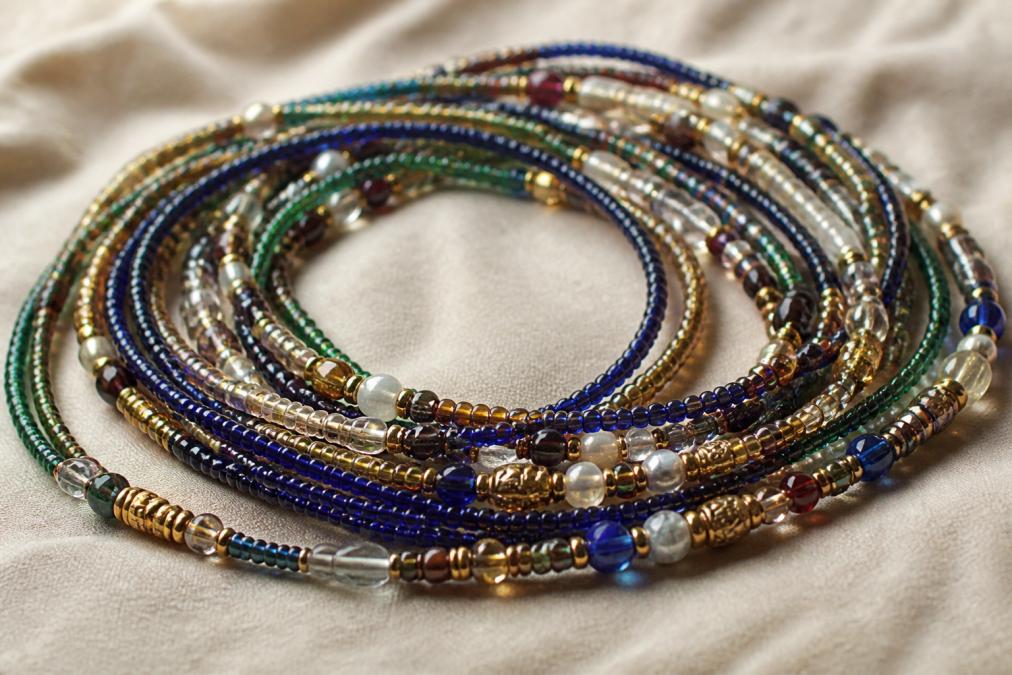
When someone wears waist beads without understanding this context, they're wearing a symbol of cultural identity as mere aesthetic. When someone learns this history, seeks out authentic, artisan-made pieces from African makers, and wears them with respect for their significance, they're engaging in appreciation.
The difference becomes clearer when you consider who profits. Mass-produced "African-inspired" waist beads sold by fast-fashion retailers keep money in corporate coffers. Authentic pieces from Prideful Pieces of Africa ensure that the artisans who created and continue this tradition receive fair compensation for their work and cultural knowledge.
Why Intent Matters: The Role of Respect in Wearing Ethnic Jewelry
Intent alone doesn't absolve appropriation, but it matters significantly. The difference between someone wearing African jewelry to honor a culture they've studied and someone wearing it because it looks trendy shows in how they approach the purchase and wear the piece.
Respectful intent requires genuine curiosity about origins and meaning, seeking out authentic sources rather than mass-market imitations, and being willing to have conversations about what you're wearing rather than treating it as a conversation-ender.
The answer to "Is it offensive for me to wear African jewelry if I'm not African?" depends entirely on your approach. If you're buying mass-produced knock-offs from retailers that exploit African aesthetics without crediting or compensating African makers, yes, that's offensive. If you're purchasing from Black-owned businesses and authentic artisans, educating yourself about cultural significance, and wearing pieces with respect, you're participating in cultural appreciation.
Intent also shapes how you respond when questioned. Respectful intent means listening, learning, and being open to feedback rather than becoming defensive. Cultural respect sometimes requires restraint and humility.
Respect extends to how you style and wear pieces. Waist beads are traditionally worn as an intimate adornment, often beneath clothing. Wearing them as visible, sexualized fashion statements strips them of cultural context. Wearing them with understanding of their significance is appreciation.
How to Support Black-Owned Jewelry Businesses and Authentic Artisans
Supporting authentic African jewelry makers is the most direct way to move from appropriation to appreciation. Knowing how to identify and support genuine artisans requires awareness.
Start by researching the business. Who owns it? Are they from the culture they're representing? Do they work directly with artisans or source from middlemen? Authentic businesses are transparent about their supply chain and can tell you the names and stories of the artisans who made your piece.
Look for businesses that prioritize fair wages and regenerative practices. Prideful Pieces of Africa ensures that artisans receive fair compensation and that purchases directly support education, clean water, and community needs in the regions where pieces are made. This transparency matters, knowing your purchase supports a child's schooling or a family's livelihood transforms a transaction into real cultural exchange.
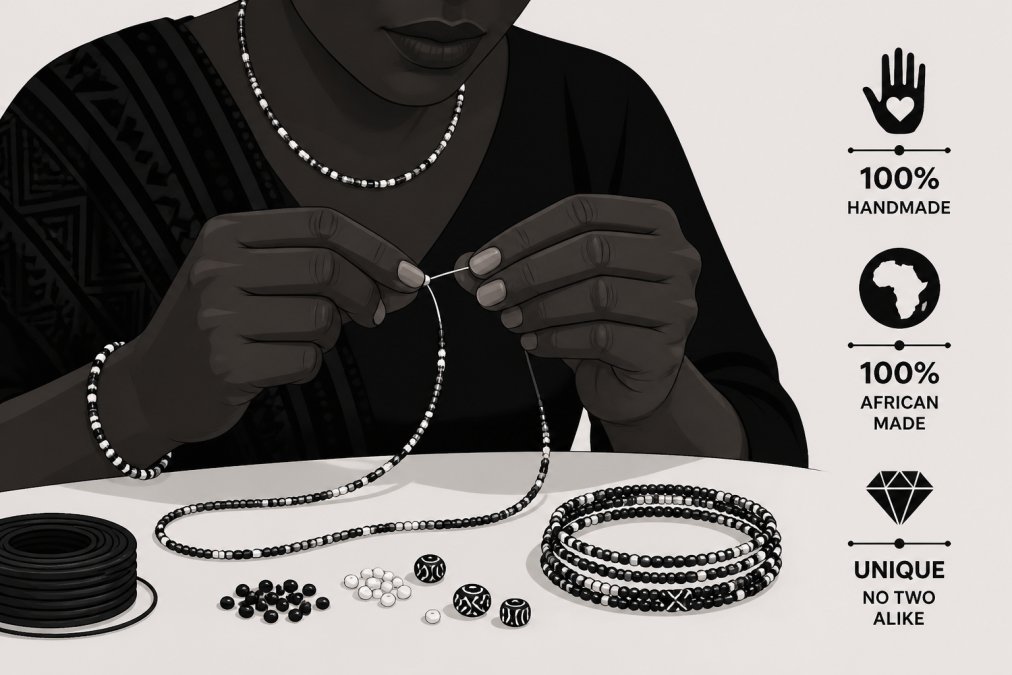
Ask questions before you buy. Legitimate artisan businesses welcome inquiries about sourcing, pricing, and impact. If a retailer can't explain where pieces come from, how artisans are compensated, or what the cultural significance is, that's a red flag.
Consider the price point. Handcrafted, authentic African jewelry takes time and skill developed over years or decades. Fair-trade pieces cost more than mass-produced alternatives because the higher price reflects real wages going to real artisans, not corporate profit margins.
Connect with the story behind each piece. Many authentic retailers share information about the artisan who created your jewelry, the techniques used, and the cultural meaning embedded in the design. This context transforms a purchase into a relationship with a culture and community.
Supply Chain Transparency: Verifying Authentic African Craftsmanship
Supply chain transparency distinguishes appropriation from appreciation. Authentic African jewelry makers can trace their work back to specific artisans and regions and are willing to share this information because they're proud of it.
Mass-produced, "African-inspired" jewelry is often made in factories far removed from Africa, designed by people with no connection to African cultures, and marketed with vague references to "African aesthetics" or "tribal designs." The term "tribal" itself is a red flag, a colonial term that erases the specificity and diversity of African cultures.
When evaluating a jewelry business, ask: Can they name the artisans? Can they describe the specific techniques used? Can they explain the cultural and regional origins of the design? Do they provide information about fair wages and working conditions? Are they transparent about how much reaches the artisans versus corporate overhead?
Prideful Pieces of Africa exemplifies this transparency. Each piece comes with information about the artisan who created it, the techniques involved, and the cultural significance of the design. Customers know exactly how their money is being used.
Regional Specificity and the Diaspora: Why Context Matters
African jewelry isn't monolithic. Waist beads, anklets, beaded necklaces, and other adornments vary dramatically across regions, ethnic groups, and cultural traditions. Treating all African jewelry as interchangeable erases the specificity and diversity of African cultures.
West African waist beads differ from East African beaded jewelry. Ethiopian crosses carry different meaning than Zulu beadwork. Maasai beaded adornments reflect specific cultural practices and spiritual beliefs distinct from other East African communities. When you wear a piece, understanding which culture created it and what it means within that specific context matters.
This specificity also matters for the diaspora, people of African descent living outside Africa. For many, wearing African jewelry is an act of cultural reclamation and identity, a way of connecting to heritage and asserting belonging. This is fundamentally different from a non-African person wearing the same piece as a fashion statement.
When you purchase from authentic artisans rooted in specific regions and cultural traditions, you're honoring that specificity. You're saying that this particular culture, tradition, and artisan's work matters. You're not treating African jewelry as a generic aesthetic trend.
Practical Steps to Wear African Jewelry Respectfully
Wearing African jewelry respectfully is a practice, not a one-time decision.
1. Educate yourself before you buy. Research the specific culture and tradition behind the piece. What does it mean? When is it traditionally worn? Spend time learning rather than assuming.
2. Buy from authentic sources. Seek out Black-owned businesses, artisan cooperatives, and retailers with direct relationships to African makers. Ask about sourcing, fair wages, and cultural significance.
3. Verify supply chain transparency. Know where your money goes. Legitimate businesses can explain how artisans are compensated and what percentage of the purchase price reaches the maker.
4. Understand the cultural context of each piece. Learn which region, ethnic group, or cultural tradition created the specific piece you're wearing. This specificity matters.
5. Wear pieces with intention. If a piece is traditionally worn in specific contexts or carries particular spiritual significance, respect that. Don't strip it of meaning by wearing it as a casual or trivial accessory.
6. Be prepared to have conversations. When people ask about your jewelry, welcome the opportunity to share its cultural significance and the artisan's story. This normalizes respect for African craftsmanship.
7. Support artisans beyond the purchase. Follow Black-owned jewelry businesses on social media. Share their work. Recommend them to others. Amplify their visibility.
8. Acknowledge what you don't know. If you're not from the culture represented in the jewelry, be humble about your relationship to it. That humility is part of genuine respect.
Wearing African jewelry respectfully means moving beyond "Is it okay for me to wear this?" and asking instead "Am I supporting the artisans and communities behind this work? Am I honoring the cultural significance? Am I educating myself and others?"
The answer to whether wearing African jewelry is cultural appropriation isn't simple. It depends on where you buy, how you educate yourself, and whether you ensure that the artisans and communities behind these pieces receive fair compensation, credit, and respect. When you prioritize these elements and choose handcrafted pieces from authentic artisans like those at Prideful Pieces of Africa, you're not appropriating. You're participating in meaningful cultural exchange that honors both the tradition and the people who keep it alive.
| Approach | Source | Intent | Benefit to Artisans | Result |
|---|---|---|---|---|
| Appropriation | Mass-market retailers, fast fashion | Trend-chasing, aesthetic only | None or minimal | Exploitation, cultural erasure |
| Appreciation | Authentic artisans, ethical retailers | Cultural respect, intentional learning | Fair wages, community support | Genuine cultural exchange, artisan empowerment |
The choice is yours. Choose appreciation.
Frequently Asked Questions
Can I wear African jewelry if I'm not African?
Yes, you can wear African jewelry respectfully. The key is understanding the cultural significance, learning the history behind the pieces, and intentionally supporting authentic artisans rather than mass-produced imitations. Wearing ethnic jewelry becomes appropriation only when you profit from the cultural symbolism, strip away its meaning, or claim ownership of traditions that aren't yours. Approach it as cultural appreciation by honoring the heritage, paying fair wages to the creators, and wearing the pieces with awareness of their meaning.
What is the difference between cultural appreciation and cultural appropriation in jewelry?
Cultural appreciation involves learning the history and meaning of African jewelry, respecting its cultural context, and supporting the artisans who create it. You wear the pieces with intention and acknowledge their significance. Cultural appropriation strips away meaning, treats sacred or symbolic items as mere fashion trends, profits from the aesthetic without supporting the community, or claims credit for designs rooted in another culture. Appropriation often involves mass production of tribal designs without permission or fair compensation to the original cultural stewards.
How can I verify that African jewelry is authentically made by artisans?
Look for transparency in the supply chain: authentic sellers provide information about where pieces are made, who created them, and how artisans are compensated. Handcrafted items will show natural variations, no two pieces are identical. Ask questions about fair wages, working conditions, and whether the artisans are from the regions where the jewelry originates. Avoid mass-produced items labeled as 'ethnic' or 'tribal' designs. Seek out businesses that share the stories of individual artisans and offer direct connections to the makers behind each piece.
What does African jewelry symbolize in its original cultural context?
African jewelry carries deep cultural meaning tied to identity, status, femininity, and heritage. Waist beads, for example, mark rites of passage, celebrate femininity, and connect wearers to ancestral traditions. Beaded necklaces and bracelets often indicate social status, marital status, or membership in a community. The colors, patterns, and materials used hold specific significance, gold represents wealth and spirituality, while certain beaded designs tell stories of specific ethnic groups and regions. Wearing these pieces authentically means honoring these meanings rather than treating them as decorative accessories divorced from their cultural roots.
This article was written using GrandRanker