

Best Soko Market Alternatives for African Fashion 2026
Table of Contents
- Why Shoppers and Designers Are Looking for Soko Market Alternatives
- Quick Comparison: Top Soko Market Alternatives at a Glance
- ANKA (Formerly Afrikrea): Global E-Commerce with Integrated Logistics
- ADJOAA: Curated Ethical African Fashion Brands for Premium Shoppers
- The Folklore: Luxury African Fashion and Contemporary Design
- Sustainable African Fashion Online: Grass-Fields and Zuvaa
- African Print Clothing USA: D'IYANU and Contemporary Options
- Black-Owned African Fashion Brands and Artisan Platforms
Best Soko Market Alternatives for African Fashion 2026
Last Updated: July 25, 2026
A growing number of fashion enthusiasts and emerging designers are seeking alternatives to traditional marketplace platforms when sourcing and selling authentic African fashion. The demand for soko market alternatives reflects a broader movement toward platforms offering better logistics support, transparent pricing, and stronger connections between artisans and global buyers.
At Prideful Pieces of Africa, we understand this challenge intimately. Whether you're a designer expanding your reach, a small business seeking fair-trade practices, or a shopper supporting African creativity, understanding your platform options is essential.
Below, we examine the best soko market alternatives for African fashion in 2026, analyzing how each platform approaches logistics, payment processing, artisan support, and global reach.
Why Shoppers and Designers Are Looking for Soko Market Alternatives
While Soko Market built its reputation connecting Kenyan artisans with international buyers, many creators and consumers now recognize that no single platform serves all needs equally.
Designers cite three core frustrations: commission structures that eat into margins, limited control over brand presentation, and shipping logistics that don't scale beyond specific regions. Shoppers report challenges with inconsistent product quality, variable shipping times, and difficulty verifying authentic artisan production.
Today's best alternatives offer specialized focus, luxury positioning, sustainability certification, emerging designer support, or integrated logistics partnerships. The most successful creators now use multiple platforms strategically, matching each to specific customer segments and sales goals.
Quick Comparison: Top Soko Market Alternatives at a Glance
| Platform | Best For | Key Strength | Shipping Coverage |
|---|---|---|---|
| ANKA (Formerly Afrikrea) | Designers needing global reach | Integrated DHL logistics, made-to-order support | 195+ countries |
| ADJOAA | Premium sustainable shoppers | Curated high-fashion brands, ethical vetting | US, UK, Africa |
| The Folklore | Luxury contemporary seekers | Storytelling focus, emerging designers | Global |
| Grass-Fields | Sustainability-conscious buyers | Modern silhouettes, ethical production | US, Europe |
| Zuvaa | Diverse style preferences | Wide price range, plus-size options | Global |
| D'IYANU | US-based African print lovers | Contemporary designs, quality fabrics | US primary |
| Ananse Africa | Creative entrepreneurs | Production support, quality assurance | Growing global |
| AfricaBlooms | Individual artisans | Affordable listing fees, low barriers | Global |
| Prideful Pieces of Africa | East African artisan support | Regenerative practices, handcrafted authenticity | Global |
The best soko market alternative depends entirely on whether you're buying or selling, and what values matter most to you.
ANKA (Formerly Afrikrea): Global E-Commerce with Integrated Logistics
ANKA represents a significant evolution in how African creators access international markets. The platform rebranded to signal its expanded vision, moving beyond a simple marketplace to become comprehensive commerce infrastructure for African businesses.
What sets ANKA apart is solving the logistics problem that historically limited African fashion creators. The platform partners with DHL to provide integrated shipping solutions, meaning sellers don't need to negotiate international courier relationships independently. This matters enormously for small designers operating from Lagos, Accra, or Nairobi lacking volume to negotiate favorable shipping rates alone.
ANKA supports made-to-order functionality, reducing the need for bulk inventory investment, a critical advantage for artisans with limited capital. Sellers create digital storefronts, receive global payments, and access marketing support.
The trade-off is commission-based pricing. Like most marketplaces, ANKA takes a percentage of each sale, impacting profit margins. Sellers also manage their own inventory and order fulfillment.
ADJOAA: Curated Ethical African Fashion Brands for Premium Shoppers
ADJOAA operates as a curated storefront featuring only vetted, ethical brands. This curation creates a quality filter benefiting both shoppers and featured designers.
The platform specializes in sustainable and high-fashion brands from African designers and Black-owned businesses. Product categories span clothing, shoes, bags, jewelry, accessories, homeware, and beauty. Dresses start around £49.75 GBP, positioning ADJOAA as premium but accessible.
What makes ADJOAA distinctive is transparency around ethical sourcing. The platform investigates manufacturing practices, labor conditions, and material sourcing before featuring brands. For shoppers concerned about greenwashing, this vetting provides genuine assurance.
The platform ships to Africa, the United Kingdom, and the United States. For designers, the curated nature means acceptance is selective, you're competing on quality and ethics, not just price.
The Folklore: Luxury African Fashion and Contemporary Design
The Folklore operates as an online concept store rather than a traditional marketplace. This distinction matters significantly. While ANKA and Zuvaa host multiple sellers, The Folklore curates a specific aesthetic around contemporary African fashion.
The platform emphasizes minimal and contemporary design, moving beyond traditional wax prints toward experimental, avant-garde pieces. Dresses start around $280, positioning The Folklore firmly in the luxury segment.
What sets The Folklore apart is storytelling integration. Each designer's work includes narrative context, creative process, and cultural influences. This transforms shopping into cultural engagement rather than transactional purchasing.
The platform's emphasis on designer stories creates natural social media content. Customers share not just what they bought but why it matters, driving organic amplification.
The trade-off is exclusivity. Limited inventory of exclusive pieces means lower availability, and the luxury positioning creates higher barriers to entry.
Sustainable African Fashion Online: Grass-Fields and Zuvaa
Grass-Fields: Sustainability Meets Modern Silhouettes
Grass-Fields combines traditional African prints with contemporary silhouettes designed for versatility. The brand emphasizes sustainable production practices throughout its supply chain. Maxi skirts average $120 and midi skirts range from $75-$90.
The platform's strength lies in wearability. A single Ankara midi skirt transitions from casual wear to formal occasions, maximizing utility of each purchase.
Sustainability commitment extends beyond marketing claims. The brand actively manages fabric sourcing, production efficiency, and waste reduction.
Zuvaa: Diverse Styles and Emerging Designers
Zuvaa operates as a true marketplace, connecting buyers with African designers across the continent. The platform's strength is diversity, price points range from $9 to $270, with sorting by clothing style, occasion, and material.
The platform features a dedicated plus-size shop, addressing a market segment often underserved by African fashion retailers.
Zuvaa welcomes new designers, creating pathways for emerging creators to reach international audiences. This democratization means higher product variety but also more variability in quality and sizing.
For emerging designers, Zuvaa provides crucial early-stage visibility without curation barriers of premium platforms.
African Print Clothing USA: D'IYANU and Contemporary Options
D'IYANU represents American-designed contemporary African print clothing specifically for the US market. The brand emphasizes quality fabrics and ethical production, with collections featuring bold, vibrant patterns suitable for everyday wear or special occasions.
The advantage of US-designed and US-based fulfillment is shipping speed and sizing consistency. Orders arrive quickly, and sizing standards align with American expectations.
D'IYANU functions as a soko market alternative for African fashion specifically for the US market, offering speed and consistency that international platforms cannot match.
Black-Owned African Fashion Brands and Artisan Platforms
Ananse Africa: Production Support and Global Reach
Ananse Africa distinguishes itself by providing comprehensive support beyond simple marketplace functionality. The platform offers production training, quality assurance, and packaging support, functioning as a business development partner.
The partnership with Mastercard Foundation and DHL for logistics provides credibility and reliability. Sellers access professional-grade support systems typically available only to larger enterprises.
Ananse Africa curates content promoting African fashion designers, driving visibility beyond transactional search. This editorial approach creates brand-building opportunities that pure marketplaces don't offer.
AfricaBlooms: Affordable Handmade Marketplace
AfricaBlooms charges minimal listing fees, $0.20 per listing after the first 200 free listings, plus a 5% transaction fee on sales. This low-cost structure makes it accessible to individual artisans with limited capital.
The platform specifically focuses on handmade, "Made in Africa" products and crafts. This specialization creates a coherent brand identity attracting buyers seeking authentic handmade items.
The trade-off is that sellers manage their own shipping and customer service. Payment processing through PayPal provides global reach but may have limitations in certain African regions.
For individual artisans testing international sales with minimal investment, AfricaBlooms functions as the most accessible entry point into e-commerce.
Prideful Pieces of Africa: East African Artisans and Regenerative Practices
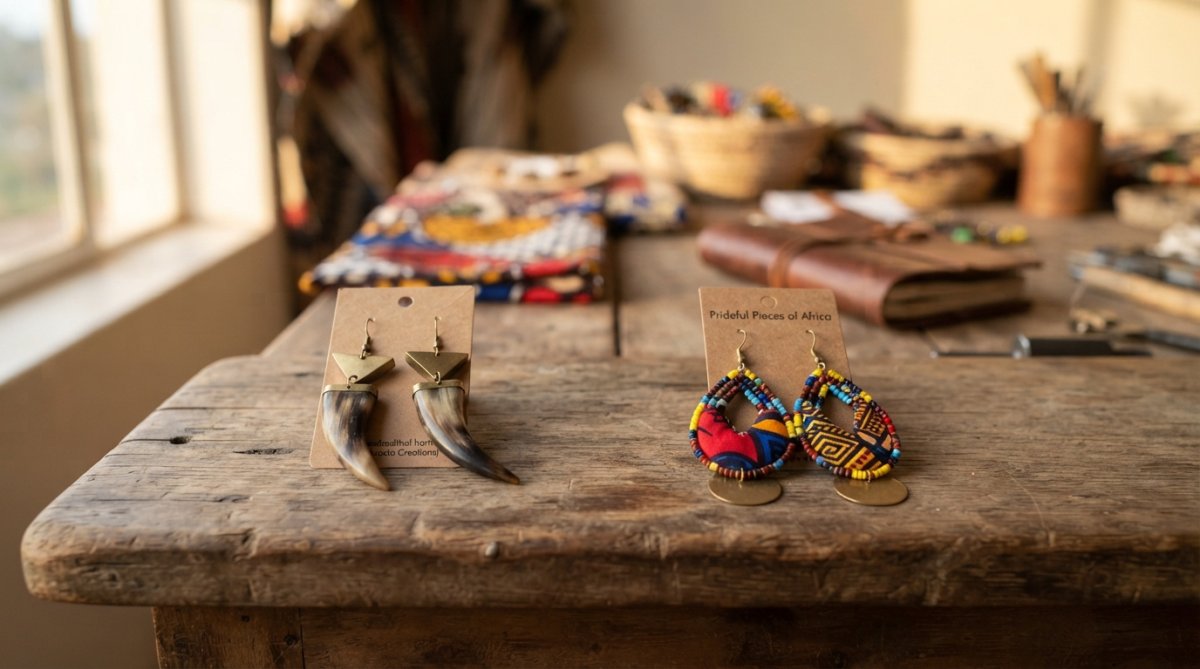
Prideful Pieces of Africa specializes in East African artisans and regenerative business practices. The platform curates handcrafted jewelry, apparel, and accessories celebrating East African cultural traditions.
What distinguishes Prideful Pieces of Africa is explicit commitment to regenerative impact. Each purchase directly supports families in Kenya through fair wages and transparent sourcing. Your purchase contributes to a child's school day, provides clean water access, and preserves generations of tradition.
The handmade nature of each piece means no two items are identical. Every piece is shaped by a single artisan, never a machine, ensuring authentic craftsmanship and cultural authenticity.
Customer testimonials reveal emotional resonance: "I've never owned anything that carries this much meaning. It's become an heirloom for my daughter." Another stated, "Knowing my piece supports a family in Kenya makes wearing it feel sacred."
For shoppers seeking authentic East African artisan work with transparent impact tracking, Prideful Pieces of Africa prioritizes cultural preservation and community regeneration alongside aesthetic quality.
Logistics and Shipping: A Critical Differentiator
Shipping infrastructure can determine whether a platform works for your needs.
ANKA's DHL partnership provides the most comprehensive international coverage, reaching 195+ countries with tracking transparency and insurance protection.
Grass-Fields and The Folklore ship globally but from UK-based fulfillment, creating longer transit times for US customers. Zuvaa ships globally from multiple origins, meaning shipping speed varies by seller.
D'IYANU's US-based fulfillment offers fastest shipping for American customers but limited international reach.
Prideful Pieces of Africa ships globally, connecting East African artisans with customers worldwide with transparent sourcing.
Payment Processing and Currency Considerations
Payment infrastructure varies significantly across platforms, with implications for both buyers and sellers.
ANKA supports multiple payment methods and currencies, essential for its global marketplace model. ADJOAA operates primarily in GBP and USD. The Folklore and Zuvaa support multiple payment methods but primarily process in USD. AfricaBlooms relies on PayPal, creating limitations in regions where PayPal access remains restricted.
For international sellers, payment flexibility matters enormously for cash flow and banking costs. For shoppers, payment processing affects final cost through currency conversion fees.
Choosing the right soko market alternative for African fashion depends on your specific priorities, whether that's global reach, sustainability certification, luxury positioning, or direct artisan support. Prideful Pieces of Africa stands out for shoppers committed to transparent, regenerative impact alongside authentic East African craftsmanship. Each piece you purchase directly helps communities through fair wages, education support, and access to clean water. Explore Prideful Pieces of Africa to discover handcrafted jewelry, apparel, and accessories that celebrate cultural heritage while creating measurable community impact.
African Growth & Opportunity Act overview and eligibility requirements
Global e-commerce trends for African businesses in 2026
Ethical fashion supply chain transparency standards
Frequently Asked Questions
What are the main differences between Soko market alternatives like ANKA and ADJOAA?
ANKA focuses on integrated logistics and payment solutions for makers selling globally, supporting made-to-order models with DHL partnerships. ADJOAA curates a premium selection of ethical and sustainable African brands, emphasizing quality over quantity. ANKA suits designers needing fulfillment support; ADJOAA appeals to shoppers seeking vetted, high-end ethical African fashion brands. Both empower artisans but serve different needs, one as a seller platform, one as a curated marketplace.
How do I know if sustainable African fashion online platforms actually support artisans fairly?
Look for transparency reports, artisan stories, and specific wage information. Platforms like Grass-Fields and Prideful Pieces of Africa publish their sourcing practices and impact metrics. Ask for proof: impact reports, artisan bios, or breakdowns of where your money goes. Verify certifications like fair trade credentials. Request documentation before purchasing if claims matter to you. Authentic platforms welcome these questions and provide detailed answers about community support, education funding, and water access initiatives.
Which African print clothing USA brands are best for emerging designers?
D'IYANU designs modern African prints in-house for the US market, while Zuvaa and ANKA connect emerging African designers with buyers globally. For sellers, Zuvaa offers low barriers to entry with diverse price points; ANKA provides production training and logistics support; AfricaBlooms has minimal listing fees ($0.20 after free tier). Choose based on your production capacity: ANKA if you need fulfillment help, Zuvaa for quick market access, AfricaBlooms for handmade artisanal goods.
Are Black-owned African fashion brands and marketplaces really different from mainstream platforms?
Yes, Black-owned platforms like Prideful Pieces of Africa, Ananse Africa, and ADJOAA prioritize artisan empowerment, cultural authenticity, and regenerative practices over pure profit. They often provide production training, transparent sourcing, and direct community impact. Mainstream platforms may prioritize volume. Black-owned alternatives typically feature storytelling, fair wages, and long-term relationships with makers. Verify ownership and practices on their websites; many publish detailed impact reports and artisan profiles that mainstream platforms don't emphasize.
What shipping and payment options do Soko market alternatives offer to US customers?
Most alternatives support US shipping: ADJOAA, The Folklore, and Zuvaa ship directly; ANKA partners with DHL for international logistics; Grass-Fields ships from the UK (longer delivery, potential customs fees). Payment methods vary, most accept credit cards and PayPal; ANKA and Ananse Africa support global payment processors. Shipping costs and times differ significantly. Check each platform's shipping policy before purchasing. Handmade items from AfricaBlooms and Prideful Pieces may ship individually, affecting timelines and costs versus consolidated warehouse shipments.
This article was written using GrandRanker