

Support East African Artisan Community Projects
Table of Contents
- Why Supporting East African Artisan Community Projects Matters
- Unique Handcrafted Gifts for Social Impact
- How to Identify Authentic Artisan Products
- Organizations Empowering Artisans Across East Africa
- Ethical Fashion Impact: Creating Lasting Community Change
- Direct Ways to Support Artisan Communities
- Measuring Impact: How Your Support Creates Real Change
- Conclusion
Last Updated: August 18, 2026
Why Supporting East African Artisan Community Projects Matters
When you buy a handcrafted piece from an artisan in Kenya, Uganda, or Tanzania, you're funding a family's education, providing access to clean water, and preserving generations of cultural knowledge. Unlike donations that pass through intermediaries, purchasing directly from artisans ensures money reaches the people who actually made your item.
Supporting East African artisan community projects creates documented economic impact. Organizations across the region employ hundreds of artisans, many of them women supporting entire households. Each purchase ripples outward: school fees get paid, health clinics open, entrepreneurial skills develop. This is commerce structured to benefit the people doing the work.
At Prideful Pieces of Africa, we've built our entire model around this principle. Every handcrafted piece, whether beaded jewelry, woven textiles, or hand-dyed scarves, comes from artisans who receive fair wages and transparent compensation. No middlemen. No exploitation margins.
Unique Handcrafted Gifts for Social Impact
Fair Trade Jewelry and Beadwork
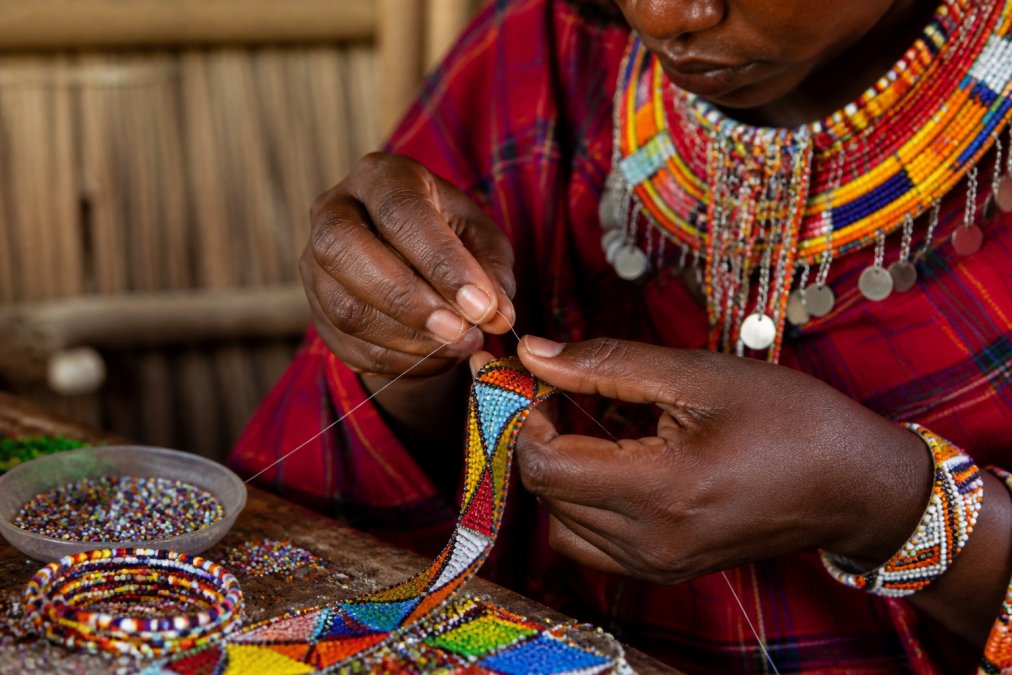
Handmade jewelry from East Africa tells stories in every bead and thread. Kazuri Beads employs women, many single mothers, who hand-form ceramic beads from clay sourced near Mount Kenya. The jewelry reflects authentic African design while providing sustainable employment.
When you choose fair trade jewelry, you're selecting pieces that carry documented impact. Organizations like Tuli create handmade jewelry in Kenya and Uganda with the explicit mission of lifting artisans out of poverty. Their commitment to hiring artisans for life means workers aren't cycling through seasonal contracts but building skills and planning futures for their families.
Beadwork carries particular significance in East African cultures. Traditional patterns and color combinations represent heritage, status, and belonging. By purchasing authentic beadwork from certified artisans, you preserve this cultural language while supporting the communities that created it. The craftsmanship required, hand-stringing hundreds of beads into intricate patterns, demands skill developed over years.
Hand-Dyed Textiles and Woven Goods
Hand-dyed scarves and textiles represent labor-intensive artisan work. The Artisan Collective, a program by RefuSHE, helps refugee women in Nairobi through design and production of hand-dyed scarves. Over 160 refugee artisans from East Africa create these textiles while receiving education and economic opportunities.
WomenCraft employs over 600 women artisans across Rwanda, Tanzania, and Burundi, weaving locally harvested grasses, raffia, banana fiber, and Tanzanian fabrics into baskets, placemats, and home goods. Each piece varies slightly because humans, not machines, created them. This variation is the point, you're buying authenticity, not uniformity.
Hand-dyed textiles often use natural dyes from plants and minerals, traditional recipes passed down through families. Supporting these artisans means keeping these dyeing techniques alive instead of watching them disappear into industrial chemical processes.
Handcrafted Apparel and Accessories
Handcrafted apparel, headwraps, and clothing represent the intersection of wearable art and cultural identity. Amani ya Juu employs marginalized women in Africa in sewing and training programs, producing fabric items including purses, clothing, and home goods. Each piece is sewn by hand, often customized, always intentional.
Harkiss Designs works directly with eleven East African artisan groups in Uganda and Kenya, employing over 300 artisans, predominantly women supporting their families. When you wear a handcrafted garment, you're wearing something no factory could replicate. The imperfections and slight variations in stitching are proof of human skill and care.
Kazi Goods connects handcrafted goods from African artisans to the global market while providing training in advanced craft skills, finance, business management, and leadership. This multi-layered support means artisans build capacity to sustain their own enterprises long-term.
How to Identify Authentic Artisan Products
Verify Fair Trade Certification
Fair trade certification provides accountability. Look for organizations that are independently certified, like Kazuri Beads, Tuli, and Amani ya Juu. These certifications verify that artisans receive fair wages, work in safe conditions, and have transparent contractual relationships.
Certification bodies publish their standards publicly. The Fair Trade Federation maintains lists of certified producers. When you see a certification label, you can trace it back to verify the organization's legitimacy. This transparency separates genuine fair trade operations from companies using ethical language as marketing without structural commitment.
Ask directly: Where is the product made? Who made it? What percentage of the purchase price reaches the artisan? Authentic artisan businesses answer these questions readily. If a company dodges these questions or keeps their supply chain opaque, that's a signal to look elsewhere.
Check Supply Chain Transparency
Transparent supply chains are the foundation of ethical fashion. Organizations like Harkiss Designs and The Artisan Collective publicly document their partnerships and artisan groups. They name the communities they work with and explain how they've built relationships. This specificity matters because it's verifiable.
Visit websites and look for detailed information about artisan groups, production methods, and compensation structures. Prideful Pieces of Africa explains that every handcrafted piece is shaped by a single artisan, never a machine. This level of detail signals genuine commitment to artisan-centered production. Vague language about "ethical sourcing" without specifics often masks conventional supply chains with ethical marketing.
Request impact reports if they're not publicly available. Organizations genuinely committed to social impact track and share results: how many artisans are employed, what percentage of revenue reaches makers, what community projects have been funded.
Look for Artisan Stories and Attribution
Authentic artisan products come with names and stories. When you buy from Kazuri Beads or The Artisan Collective, you're often learning about specific women whose work you're supporting. This attribution proves direct connection. If a company can't tell you anything about the person who made your item, the supply chain likely isn't direct.
Photography of artisans at work strengthens this connection. When organizations share images of hands creating beadwork, weaving textiles, or hand-dyeing fabrics, you see the skill and care involved. These aren't stock photos, they're documentation of actual production. This visual evidence justifies premium pricing because you're literally seeing why the work costs more than industrial alternatives.
Organizations Helping Artisans Across East Africa
Women-Focused Artisan Programs
Women represent the majority of artisans in East African communities. Kazuri Beads employs women, many single mothers, providing steady income, skills development, and pathways to leadership. By hiring women, these organizations directly challenge poverty cycles and support household stability.
Amani ya Juu operates a fair trade sewing and training program for marginalized women in Africa, producing fabric items including purses, clothing, and quilts. The organization provides vocational training alongside employment, meaning women develop marketable skills they can use beyond their initial roles.
WomenCraft employs over 600 women artisans in the tri-border region of Rwanda, Tanzania, and Burundi, focusing on economic opportunity through weaving. The organization invests proceeds into community development projects including health clinics, new businesses, and scholarships.
Refugee and Marginalized Community Initiatives
The Artisan Collective, a program by RefuSHE, helps refugee women in Nairobi through design and production of hand-dyed scarves and textiles. Over 160 refugee artisans from East Africa create these pieces while receiving education and economic opportunities. One hundred percent of proceeds support RefuSHE's mission to protect, educate, and help refugee girls.
These programs recognize that artisanal work can be a pathway to stability for people facing systemic exclusion. By combining employment with education and leadership training, organizations like RefuSHE create comprehensive support systems rather than exploitative quick-income schemes.
Conservation-Linked Artisan Enterprises
COOL Crafts, a community-based program by Action for Cheetahs in Kenya, helps local artisans while promoting wildlife conservation. Communities living near wildlife reserves often face poverty because conservation restricts traditional land use. By creating artisan employment, COOL Crafts provides alternative livelihoods that reduce pressure on protected ecosystems.
Artisans create handcrafted items like beadwork and textiles while learning about conservation. When artisans benefit economically from conservation-linked enterprises, they become advocates for habitat protection rather than seeing it as an obstacle to survival.
Ethical Fashion Impact: Creating Lasting Community Change
Economic Empowerment and Sustainable Livelihoods
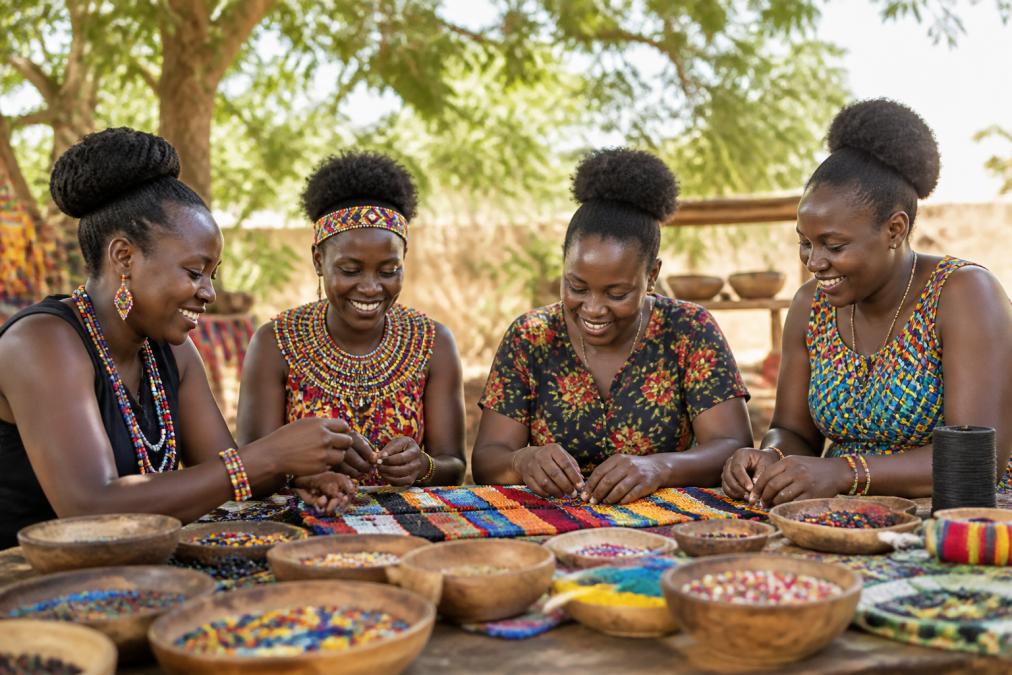
When artisans earn fair wages, they move beyond survival economics into planning and stability. A consistent income from handcraft sales allows families to invest in education, healthcare, and housing. Children attend school instead of working. Health emergencies don't trigger debt spirals.
Organizations like Tuli explicitly commit to hiring artisans for life, rejecting the contract-worker model that leaves people vulnerable between projects. This long-term commitment allows artisans to develop deeper expertise and build business plans around their skills.
Economic empowerment extends beyond individual artisans to entire households and communities. When one person earns sustainable income, extended family members often benefit. Communities with multiple employed artisans develop local spending power that strengthens local economies.
Education and Skills Training Investments
Many artisan organizations pair employment with formal education and skills training. Kazi Goods provides training in advanced craft skills, finance, business management, and leadership alongside employment. This comprehensive approach means artisans aren't just earning income, they're building capacity to eventually run their own enterprises.
Education investments create pathways for artisans' children. When parents earn stable income, they can afford school fees. When organizations fund educational scholarships, they interrupt poverty cycles.
Skills training extends beyond craft production. Financial literacy, business management, and leadership development prepare artisans to negotiate better contracts, manage their own finances, and potentially establish cooperative enterprises.
Cultural Preservation Through Artisan Work
Handcrafted traditions carry cultural knowledge embedded in techniques, patterns, and materials. When artisans produce traditional beadwork, hand-dyed textiles, and woven goods, they're keeping cultural languages alive. Young people learn these skills from experienced artisans, ensuring knowledge transmission continues.
Mass production erases this cultural specificity. By purchasing authentic artisan work, you're voting for cultural diversity over homogenization. You're saying that these specific traditions matter enough to support economically.
Cultural preservation is recognition that East African communities have sophisticated artistic traditions that represent identity, history, and belonging. Supporting artisans who practice these traditions is supporting cultural self-determination.
Direct Ways to Support Artisan Communities
Purchase From Fair Trade Certified Brands
The most direct support comes through purchasing. When you buy from fair trade certified organizations, your money reaches artisans with documented transparency. Prideful Pieces of Africa offers handcrafted jewelry, apparel, and accessories created by skilled artisans with fair wages and transparent sourcing. Each piece is shaped by a single artisan, never a machine. Your purchase directly supports families in Kenya and contributes to community projects like education and clean water access.
Other established options include Tuli (handmade, fair-trade jewelry from Kenya and Uganda), Kazuri Beads (ceramic beads and pottery from Kenya), and Harkiss Designs (one-of-a-kind home and fashion pieces from Uganda and Kenya). When purchasing, ask questions about provenance and request information about the specific artisan who created your piece.
Volunteer and Capacity Building Opportunities
Beyond purchasing, many organizations welcome volunteers and offer capacity-building programs. Some organizations host international volunteers for shorter or longer-term engagement. Others offer virtual volunteer opportunities, social media management, grant writing, and business planning support.
Capacity-building programs vary. Some organizations offer workshops on business skills, digital marketing, or financial management specifically for artisans. Volunteering provides direct relationship-building and deeper understanding of challenges artisans face.
Fund Community Projects and Grant Initiatives
Many organizations accept donations specifically earmarked for community projects. RefuSHE allocates 100% of Artisan Collective proceeds toward protecting, educating, and helping refugee girls. WomenCraft invests in health clinics, new businesses, and scholarships within artisan communities. COOL Crafts funds conservation and livelihood projects simultaneously.
Grant initiatives let you support specific projects: funding a girl's school enrollment, contributing to a community water system, or supporting a women's cooperative startup. Research organizations' fund allocation carefully. Reputable organizations publish annual reports showing how donations are used.
Measuring Impact: How Your Support Creates Real Change
Impact measurement transforms abstract promises into documented outcomes. Organizations tracking impact provide evidence that artisan support actually changes lives. Look for organizations that measure and report on metrics like artisan income increases, number of children enrolled in school due to artisan earnings, or community infrastructure projects funded.
Documentation might include artisan testimonials, photographs of completed projects, or detailed annual reports. Some organizations conduct independent impact assessments. If an organization claims social impact but provides no measurement or evidence, that's a warning sign.
Real impact takes time to materialize. Education outcomes span years. Community infrastructure projects require sustained funding. Economic resilience develops gradually. Organizations demonstrating long-term commitment tend to create more substantial change.
Your role as a consumer includes asking for impact information. Request reports. Ask how proceeds are allocated. Inquire about specific outcomes. This consumer accountability pressure encourages organizations to measure and report rigorously.
Supporting East African artisan community projects means choosing to participate in economic systems that honor skill, preserve culture, and help communities. Every handcrafted piece carries the possibility of funding education, providing clean water access, and sustaining families.
Prideful Pieces of Africa embodies this commitment. Each handcrafted jewelry, apparel, and accessory piece supports a family in Kenya, contributes to a child's school day, and provides villages with clean water while preserving generations of tradition and cultural identity. When you purchase from Prideful Pieces of Africa, you're not buying a product, you're funding community development and cultural preservation. Shop to support artisans directly and become part of a movement toward ethical, community-centered fashion.
Frequently Asked Questions
How does buying handcrafted goods support East African artisan communities?
When you purchase handcrafted goods from fair trade artisan organizations, your money directly funds wages, training, and community projects. Fair trade brands ensure artisans earn dignified income that supports their families, enables children to attend school, and provides access to clean water and healthcare. Organizations like Kazuri Beads and Tuli commit to hiring artisans for life, creating stable employment that lifts families out of poverty while preserving traditional craftsmanship and cultural heritage.
What are the benefits of fair trade for East African artisans?
Fair trade guarantees artisans receive fair wages, safe working conditions, and long-term employment stability. Beyond income, fair trade organizations invest in capacity building, teaching artisans advanced skills, business management, and financial literacy. This approach creates sustainable livelihoods rather than temporary income. Women artisans benefit from economic independence and leadership opportunities, while entire communities gain funding for schools, health clinics, and infrastructure projects that improve quality of life.
How can I ensure my purchase directly empowers artisan communities?
Look for brands with transparent supply chains that name specific artisans, regions, or organizations. Verify fair trade certification from recognized bodies. Check if the company publishes impact reports showing how proceeds are allocated. Brands like Prideful Pieces of Africa and Harkiss Designs clearly communicate which communities benefit and what specific needs, education, clean water, healthcare, your purchase supports. Ask questions before buying; authentic organizations provide detailed answers about their sourcing and impact.
What is the social impact of supporting traditional East African craftsmanship?
Supporting artisan craftsmanship preserves generations of cultural knowledge, techniques, and artistic traditions that might otherwise disappear. It creates dignified work that keeps families in their communities rather than forcing migration to cities for survival. Fair trade models fund education, healthcare, and infrastructure while strengthening artisan cooperatives and collective bargaining power. This approach builds economic resilience, fosters community dialogue, and ensures younger generations learn traditional skills while earning sustainable income.
This article was written using GrandRanker