

10 Sustainable East African Fashion Brands 2026
Table of Contents
- Why Sustainable East African Fashion Brands Matter
- How to Identify Ethical Fashion Brands
-
10 Sustainable East African Fashion Brands Leading in 2026
- 1. Prideful Pieces of Africa: Handcrafted Heritage
- 2. Genet Collection: Ethiopian Handwoven Textiles
- 3. Lilabare: Natural Fibers and Size-Adaptable Design
- 4. Haute Baso: Rwandan Craftsmanship and Empowerment
- 5. BUZIGAHILL: Circular Fashion Through Upcycling
- 6. Sabahar: Ethiopian Eri Silk and Natural Fibers
- 7. Mtindo Designs: Women's Empowerment Through Fashion
- 8. Handmade from Tanzania: Traditional Weaving and Local Cotton
- 9. Maisha by Nisia: Upcycled High-End Couture
- 10. MOYO: Blended Materials and Kenyan Craftsmanship
- Sustainable Fashion Trends 2026: What's Shaping East African Design
- What to Look for When Shopping Sustainable East African Fashion
- Conclusion
Last Updated: August 11, 2026
Why Sustainable East African Fashion Brands Matter
The global fashion industry generates roughly 92 million tons of textile waste annually, yet artisans across Kenya, Ethiopia, Uganda, Rwanda, and Tanzania are building sustainable East African fashion brands that honor cultural heritage while addressing the environmental and social damage of fast fashion. Each handcrafted piece tells a story: the hands that shaped it, the natural materials that composed it, the community that benefits when you wear it.
At Prideful Pieces of Africa, we've witnessed how handcrafted items create connections between maker and wearer that factory-produced goods cannot replicate. When you choose sustainable East African fashion brands, you're investing in preserved traditions, fair wages that support families, and regenerative practices that rebuild ecosystems. The 2026 landscape has matured beyond niche appeal. Conscious consumers now demand transparency about supply chains, proof of fair wages, and authentic cultural connection. Leading brands deliver on all three fronts, moving beyond greenwashing into genuine accountability.
How to Identify Ethical Fashion Brands
Not every brand claiming sustainability actually delivers it. Start by looking for transparency in the supply chain. Ethical brands name their artisans or production communities and explain sourcing practices in detail. If a brand is vague or uses phrases like "ethically sourced" without specifics, that's a red flag. Authentic sustainable East African fashion brands publish impact reports showing exactly how much artisans earn and which communities benefit.
Artisanal craftsmanship is another key signal. Real hand-woven textiles show natural variation, slight color shifts, and uneven edges, proof of human creation. Brands should explain their techniques and whether they use traditional methods passed down through generations.
Material sourcing matters profoundly. Sustainable brands use natural fibers, organic cotton, eri silk, and plant-based dyes, explaining why. They source locally when possible to reduce shipping emissions and support regional agriculture.
Finally, examine fair wages and worker conditions. Ethical brands state hourly wages, benefits, and working hours publicly. This level of transparency separates genuine commitment from performative ethics.
| Signal | What It Means | What to Watch For |
|---|---|---|
| Named artisans or communities | Accountability and real relationships | Vague references like "African artisans" |
| Published impact reports | Measurable social and environmental outcomes | No data or unverifiable claims |
| Hand-visible craftsmanship | Authentic traditional techniques | Uniformity suggesting machine production |
| Natural fiber sourcing | Regenerative agriculture and reduced toxins | Synthetic materials or undisclosed origins |
| Public wage information | Fair compensation and worker dignity | Pricing that seems too cheap to support fair wages |
10 Sustainable East African Fashion Brands Leading in 2026
1. Prideful Pieces of Africa: Handcrafted Heritage
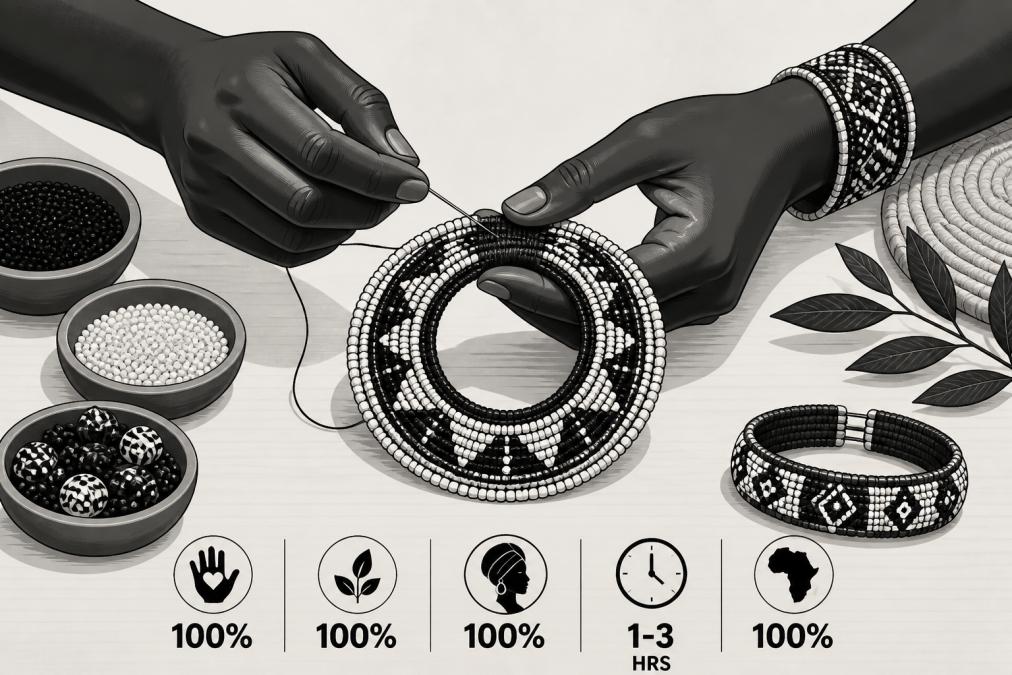
Prideful Pieces of Africa stands at the forefront of sustainable East African fashion brands because every element reflects genuine commitment to cultural preservation and community empowerment. Each piece is handcrafted by individual artisans in Kenya, never mass-produced. This means no two items are identical, the variation in beadwork and natural color shifts are signatures of authentic human creation.
When you purchase a piece, you directly support a family in Kenya, contributing to a child's school day, clean water access, and preservation of generations of tradition. The brand operates with complete transparency about wages, sourcing, and regenerative practices. Artisans receive fair compensation, and the brand publishes detailed breakdowns of how profits flow back to communities.
2. Genet Collection: Ethiopian Handwoven Textiles
Genet Collection represents the pinnacle of Ethiopian handwoven craftsmanship, created by women for women. Every piece emerges from traditional looms operated by skilled artisans who've inherited these techniques through generations. The brand specializes in shawls, scarves, and garments that blend Ethiopian cultural aesthetics with contemporary design.
What makes Genet Collection essential is its focus on women's economic empowerment. The entire production team consists of women artisans who control their own work schedules and compensation. The handwoven textiles use natural fibers and traditional dyeing methods, creating pieces that soften and improve with age rather than degrading.
Pricing for Genet Collection pieces starts around $30.00 for handwoven shawls, reflecting the actual cost of ethical production. Each price point represents fair compensation for weeks of skilled labor.
3. Lilabare: Natural Fibers and Size-Adaptable Design
Lilabare challenges the assumption that sustainable fashion must sacrifice fit or style. Based in Kenya, this brand creates breathable, size-adaptable clothing from natural, local, and regenerative materials. Their designs embrace gender-fluid silhouettes that honor diverse body types.
The material philosophy sets Lilabare apart. They source exclusively from local suppliers practicing regenerative agriculture, farming methods that rebuild soil health, increase biodiversity, and sequester carbon. Every fiber is traceable to its origin. Dresses and tops vary in price, reflecting the genuine cost of ethical production.
4. Haute Baso: Rwandan Craftsmanship and Empowerment
Haute Baso merges traditional Rwandan crafts, basket weaving, embroidery, beadwork, with contemporary design, creating ready-to-wear pieces and accessories that honor heritage while feeling modern. The brand intentionally builds its value chain around women and youth, creating employment and skill development opportunities.
Each piece represents hours of skilled labor from artisans who receive fair wages and benefits. The brand collaborates with traditional craftspeople to preserve techniques that might otherwise disappear. Haute Baso's made-to-order approach ensures production aligns with actual demand, eliminating waste.
5. BUZIGAHILL: Circular Fashion Through Upcycling
BUZIGAHILL redefines sustainable East African fashion brands through upcycling. This Ugandan brand sources second-hand clothing destined for landfills and transforms them into entirely new, contemporary pieces. Rather than creating new demand for virgin materials, BUZIGAHILL extracts value from clothing already in existence.
Each piece emerges as one-of-a-kind, blending upcycled materials with innovative tailoring. The brand operates through small production runs rather than constant availability, protecting against overproduction while maintaining exclusivity.
6. Sabahar: Ethiopian Eri Silk and Natural Fibers
Sabahar specializes in handwoven textiles featuring Ethiopian eri silk, a sustainable alternative to conventional silk that causes zero harm to silkworms. Founded by Kathy Marshall, who has lived in Ethiopia for over twenty years, the brand combines deep cultural knowledge with genuine artisan partnerships.
The eri silk production process differs fundamentally from conventional silk. Silkworms complete their natural lifecycle before cocoons are harvested, eliminating the boiling-alive practice standard in industrial silk production. Scarves range from $58.00 to $103.00, while throws span $149.00 to $159.00, each price reflecting weeks of skilled labor and premium materials.
7. Mtindo Designs: Women's Empowerment Through Fashion
Mtindo Designs operates from Uganda with a singular focus: helping women through meaningful employment in fashion production. The brand creates locally made professional apparel while funding Mtindo Academy, which provides education to female youth in Uganda.
A percentage of every sale funds scholarships, vocational training, and educational resources for young women. Mtindo also offers private label manufacturing services to other brands seeking ethical production partnerships. The brand publicly discusses wage structures, benefits, and working conditions, recognizing artisans as skilled professionals.
8. Handmade from Tanzania: Traditional Weaving and Local Cotton
Handmade from Tanzania specializes in handwoven textiles and garments created exclusively from Tanzanian-grown cotton. Every step, from cotton growing to spinning to weaving to dyeing, happens in Tanzania using natural plant-based dyes. This approach supports local agriculture, reduces shipping emissions, and ensures artisans capture full value chain benefits.
Scarves range from $40.00 to $90.76, while throws span $90.76 to $159.00. The limited product range reflects intentional production aligned with artisan capacity.
9. Maisha by Nisia: Upcycled High-End Couture
Maisha by Nisia transforms upcycling into high-end couture. This Kenyan social enterprise sources discarded textiles and industrial offcuts, reconstructing them into fashion pieces that feel luxurious and intentional. The production process emphasizes artisanal development, blending traditional techniques with contemporary aesthetics.
Limited direct purchasing options mean Maisha operates primarily through collaborations rather than constant e-commerce availability, protecting artisans from unsustainable production pressure.
10. MOYO: Blended Materials and Kenyan Craftsmanship
MOYO demonstrates how sustainable East African fashion brands can blend diverse material sources into cohesive design. The Kenyan brand combines organic Belgian linen, culturally rich African fabrics, and upcycled materials into clothing, bags, and jewelry. Dresses and bags vary in price, reflecting the genuine cost of ethical production and craftsmanship.
Sustainable Fashion Trends 2026: What's Shaping East African Design
The sustainable East African fashion landscape in 2026 reflects several converging trends. Circular economy principles dominate, with brands focusing on extending garment lifecycles through durability and upcycling rather than chasing seasonal trends. Supply chain transparency certifications have become expected, with consumers demanding third-party verification of fair wages and environmental practices.
Regenerative agriculture has moved from niche concept to standard practice, with materials sourcing from farming practices that actively improve soil health and sequester carbon. Size inclusivity and fit diversity reflect growing recognition that sustainable fashion must serve all bodies. Artisan visibility and storytelling have become central to brand identity, with leading brands naming individual artisans and sharing their stories.
What to Look for When Shopping Sustainable East African Fashion
Shopping for sustainable East African fashion brands requires moving beyond marketing language into verification. Verify fair wages directly, ethical brands publish hourly rates and benefits. Compare these figures to local living costs; fair wages should enable comfortable living.
Examine material sourcing specificity. Real transparency means knowing where cotton grows, how it's processed, and which dyes are used. Look for artisan attribution, can you find names, photos, or stories about the people who made your piece? Check production scale against claims, if a brand claims handmade pieces but produces thousands monthly, something's inconsistent.
Research impact claims. Does the brand publish impact reports? Can you verify that education funding reaches schools? Assess shipping practices. Sustainable brands consider logistics carefully, consolidating shipments or offsetting emissions.
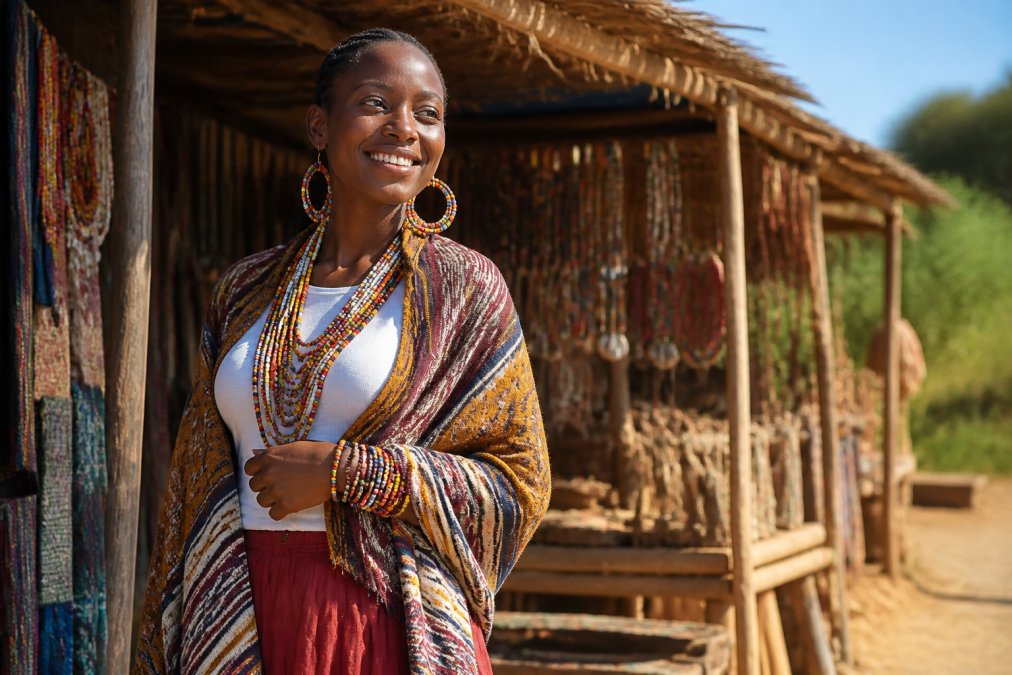
Shopping sustainable East African fashion brands means choosing pieces that carry meaning beyond aesthetics. Each handcrafted item preserves traditions, supports families, and demonstrates that ethical production creates superior quality. When you wear sustainable East African fashion, you're wearing a story of skilled hands, regenerative practices, and genuine human connection. Learn more about ethical fashion certifications to verify claims independently. Explore the textile waste crisis and circular economy solutions. Research fair trade standards in fashion manufacturing. Start your journey with Prideful Pieces of Africa and discover how handcrafted, artisan-made pieces create lasting impact for East African communities.
Frequently Asked Questions
What makes sustainable East African fashion brands different from mass-produced clothing?
Sustainable East African fashion brands prioritize handcrafted production by skilled artisans, fair wages, and transparent sourcing practices. Each piece is made individually, often using natural fibers and regenerative materials, ensuring no two items are identical. This approach preserves traditional techniques, supports local communities directly, and reduces textile waste compared to fast-fashion manufacturing. Your purchase funds education, clean water access, and family livelihoods in artisan communities.
How do I verify that an ethical fashion brand is actually transparent about its supply chain?
Look for brands that openly share information about where their artisans work, how much they earn, and what materials they use. Authentic ethical brands provide names, locations, production details, and impact reports. Check if they display certifications, partner with fair-trade organizations, or offer stories about specific artisans. Be cautious of vague claims without evidence. Reach out directly and ask for proof, legitimate brands respond with detailed information about their sourcing and labor practices.
What sustainable fashion trends are defining 2026 in East Africa?
In 2026, East African fashion is embracing circular economy practices through upcycling and textile waste reduction, blending traditional handwoven techniques with contemporary design, expanding size-inclusive and gender-fluid clothing options, and emphasizing regenerative agriculture for natural fibers. Brands are also prioritizing transparency certifications, celebrating cultural heritage as a core design element, and investing in artisan education and community empowerment. Consumers increasingly demand proof of impact, not just ethical claims.
Are sustainable East African fashion pieces worth the higher price?
Yes, when you understand where your money goes. Higher prices reflect fair wages for artisans (often 2-3 times minimum wage), quality natural materials, small-batch production, and direct community impact. Unlike mass-produced items, handcrafted pieces are durable, one-of-a-kind, and carry cultural significance. Each purchase supports education, clean water, and family stability in artisan communities. You're investing in a wearable heirloom, not just clothing, with measurable social and environmental benefit.
This article was written using GrandRanker