

Top 10 Ethical Jewelry Brands for 2026
Table of Contents
- What Makes Jewelry Ethical
- Quick Comparison: Top Ethical Jewelry Brands
-
The Top 10 Ethical Jewelry Brands
- 1. Prideful Pieces of Africa: Handcrafted East African Artisan Jewelry
- 2. Brilliant Earth: Conflict-Free Diamonds and Recycled Metals
- 3. Mejuri: Modern Ethical Jewelry for Everyday Wear
- 4. Vrai: Lab-Grown Diamonds with Zero Emissions
- 5. Catori Life: Women-Run, Sustainable Design with Tree Planting
- 6. Reflective Jewelry: Fairtrade Gold Certified in the USA
- 7. Ten Thousand Villages: Fair Trade Handcrafted Global Jewelry
- 8. Bario Neal: Custom Ethical Engagement and Wedding Rings
- 9. Kinn Studio: Recycled Gold Heirloom-Quality Pieces
- Benefits of Buying Fair Trade Jewelry
- How to Identify Sustainable Jewelry Brands
- Which Brand Should You Choose?
- Conclusion
Last Updated: August 24, 2026
What Makes Jewelry Ethical
Ethical jewelry is produced with transparency across the entire supply chain, from mining to final sale. The difference between ethical and conventional jewelry comes down to three core elements: supply chain transparency, fair compensation for artisans and miners, and minimized environmental impact.
When you buy ethical jewelry, you fund practices that prioritize people and the planet. Artisans receive fair wages instead of exploitative rates. Mining operations follow environmental standards that prevent mercury contamination and habitat destruction. Recycled materials reduce extraction pressure. Lab-grown diamonds eliminate mining's carbon footprint entirely.
The challenge most shoppers face is distinguishing genuine ethical practices from marketing claims. This guide will help you identify what actually matters when evaluating where your money goes.
Quick Comparison: Top Ethical Jewelry Brands
| Brand | Starting Price | Specialty | Best For |
|---|---|---|---|
| Prideful Pieces of Africa | Visit website for current pricing | Handcrafted East African artisan jewelry | Cultural heritage and direct artisan support |
| Brilliant Earth | $95+ | Conflict-free diamonds, recycled metals | Engagement rings with transparency |
| Mejuri | $48+ | Modern everyday fine jewelry | Minimalist designs at accessible prices |
| Vrai | Contact for pricing | Lab-grown diamonds, zero emissions | Environmentally conscious luxury |
| Catori Life | $81+ | Recycled metals, tree planting initiative | Nature-inspired pieces with reforestation impact |
| Reflective Jewelry | Contact for pricing | Fairtrade Gold certified | Highest ethical gold standard |
| Ten Thousand Villages | $10+ | Fair trade handcrafted global jewelry | Supporting artisans worldwide |
| Bario Neal | $120+ | Custom ethical engagement rings | Personalized fine jewelry |
| Kinn Studio | $50+ | Recycled solid gold heirloom pieces | Timeless everyday luxury |
The Top 10 Ethical Jewelry Brands
1. Prideful Pieces of Africa: Handcrafted East African Artisan Jewelry
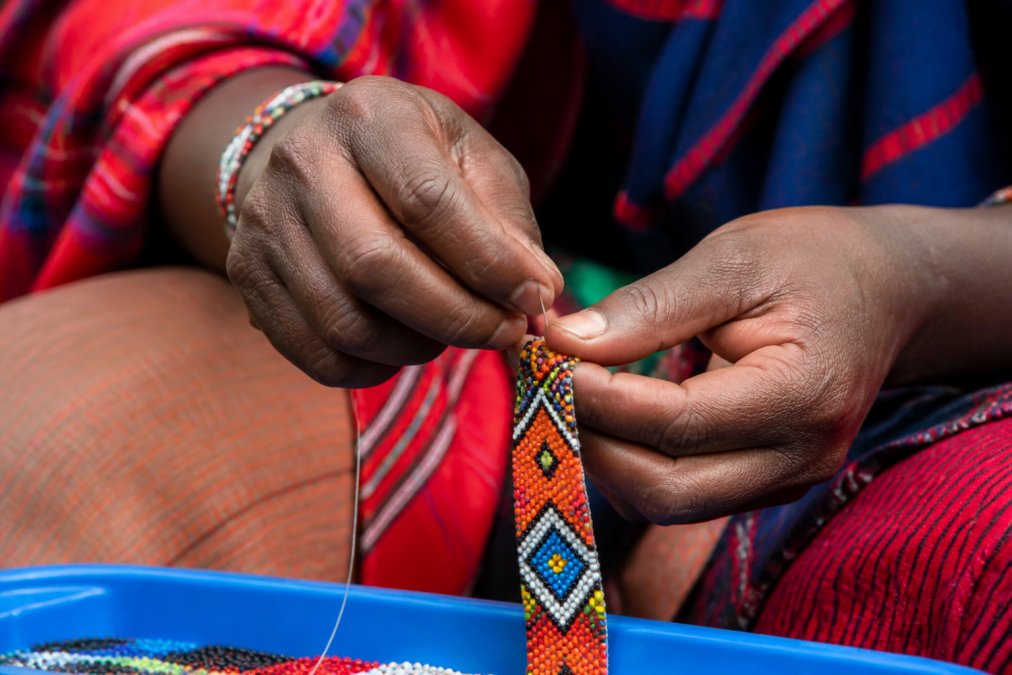
Prideful Pieces of Africa stands apart because every piece directly supports East African artisan communities. Each item is shaped by a single artisan's hands, never passing through a machine. Fair wages go directly to artisans, transparent sourcing means you know exactly where materials come from, and regenerative practices ensure communities benefit long-term. Your purchase supports a family in Kenya, contributes to a child's school day, and provides a village with clean water.
Pros:
- Handcrafted by skilled East African artisans with no machine involvement
- Every purchase directly supports families and community initiatives
- Each piece is genuinely one-of-a-kind
- Transparent, regenerative sourcing practices
- Preserves cultural traditions through wearable art
Cons:
- Limited product range compared to larger retailers
- Shipping times vary due to international sourcing
- Handmade nature means slight variations between orders
2. Brilliant Earth: Conflict-Free Diamonds and Recycled Metals
Brilliant Earth pioneered the conflict-free diamond movement and remains the standard for transparency in fine jewelry. Every diamond comes with documentation tracing its origin from suppliers meeting strict ethical standards. The brand uses recycled gold and platinum, eliminating environmental and labor concerns of new mining while performing identically to mined alternatives. Extensive customization options let you design your own engagement ring, wedding band, or statement piece.
Pros:
- Comprehensive conflict-free sourcing documentation
- Wide range of recycled metals available
- Extensive customization options
- Strong commitment to supply chain transparency
- Detailed origin information for each stone
Cons:
- Higher price point reflects ethical sourcing and quality materials
- Extensive options can overwhelm first-time buyers
- Design process requires more time investment than ready-to-ship pieces
3. Mejuri: Modern Ethical Jewelry for Everyday Wear
Mejuri targets the gap between luxury fine jewelry and fast fashion with minimalist, versatile designs built for daily wear. Recycled gold and conflict-free gemstones keep the ethical foundation solid, while the direct-to-consumer model keeps prices accessible. The brand publishes information about suppliers and labor practices, offering honest transparency about where sourcing happens and what standards are enforced.
Pros:
- Modern, minimalist designs suitable for everyday wear
- Recycled gold and conflict-free gemstones standard across collections
- More accessible pricing than traditional fine jewelry
- Direct-to-consumer model reduces markups
- Transparent supplier information
Cons:
- Limited customization compared to bespoke jewelers
- Minimalist aesthetic doesn't appeal to all style preferences
- Fewer elaborate or statement pieces available
4. Vrai: Lab-Grown Diamonds with Zero Emissions
Vrai's core innovation is lab-grown diamonds created using 100% renewable energy. These diamonds are chemically identical to mined diamonds but without extraction's environmental destruction. A lab-grown diamond produces zero emissions during creation, whereas mined diamonds carry the carbon cost of mining operations, processing, and transportation (peer-reviewed research). The diamonds score the same on the 4 Cs (cut, color, clarity, carat) as mined alternatives.
Pros:
- Zero-emission lab-grown diamonds
- 100% renewable energy throughout production
- Chemically and physically identical to mined diamonds
- High-quality brilliant stones
- Strong environmental commitment
Cons:
- Higher price point than some lab-grown alternatives
- Limited non-diamond gemstone options
- Design selection skews toward classic styles
5. Catori Life: Women-Run, Sustainable Design with Tree Planting
Catori Life plants ten trees with every piece sold. The brand uses recycled metals and responsibly acquired gemstones, partnering with U.S. artisans and manufacturers who maintain ethical work environments. The reforestation initiative is concrete and trackable, appealing to buyers who want tangible results from their ethical choices.
Pros:
- Ten trees planted per piece sold
- Recycled metals and responsibly sourced gemstones
- Partnerships with ethical U.S. manufacturers
- Nature-inspired designs with genuine aesthetic appeal
- Biodegradable and compostable packaging
- Women-run business model
Cons:
- Price range higher for intricate pieces
- Specific design aesthetic may not suit all preferences
- Smaller selection than major retailers
6. Reflective Jewelry: Fairtrade Gold Certified in the USA
Reflective Jewelry is the only Fairtrade Gold certified jeweler in the United States. This certification means gold meets rigorous standards: fair wages for miners, safe working conditions, and environmental protection. Fairtrade Gold prevents mercury pollution associated with small-scale mining, a major environmental concern in gold extraction (peer-reviewed research). FLOCert, an independent auditor, verifies this certification.
Pros:
- Only Fairtrade Gold certified jeweler in the U.S.
- Independent third-party certification ensures credibility
- Prevents mercury pollution from mining operations
- Fair wages directly benefit mining communities
- Handcrafted quality and customization options
Cons:
- Potentially higher cost due to Fairtrade certification standards
- Limited design variety compared to larger retailers
- Contact-for-pricing model requires engagement before seeing costs
7. Ten Thousand Villages: Fair Trade Handcrafted Global Jewelry
Ten Thousand Villages connects artisans in developing countries with global consumers through fair trade principles. The jewelry collection reflects cultural traditions of makers across continents. Each piece includes information about the artisan who made it, transforming a purchase into a relationship with a creator. Fair trade principles ensure artisans receive fair wages, safe working conditions are enforced, and long-term relationships replace exploitative transactions.
Pros:
- Supports artisans in developing countries worldwide
- Strong commitment to fair trade principles
- Wide range of unique, culturally diverse designs
- Personal artisan stories with each piece
- Long-term community relationships
Cons:
- Artisan styles may be less "fine jewelry" and more "handcrafted folk art"
- Availability of specific designs can fluctuate
- Designs skew toward bohemian or global aesthetic
8. Bario Neal: Custom Ethical Engagement and Wedding Rings
Bario Neal specializes in engagement and wedding rings designed with ethics from the ground up, using recycled precious metals and ethically sourced gemstones. Custom design services mean your ring reflects your personal style and values. The brand's transparency is exceptional, providing detailed information about sourcing, production methods, and the artisans involved.
Pros:
- Specializes in engagement and wedding rings with ethical foundation
- Recycled metals and ethically sourced stones standard
- Custom design services for personalized pieces
- Exceptional transparency about sourcing and production
- Contemporary, distinctive aesthetic
Cons:
- Higher price point due to fine materials and ethical practices
- Contemporary design may not appeal to those seeking traditional styles
- Custom process requires more time investment
9. Kinn Studio: Recycled Gold Heirloom-Quality Pieces
Kinn Studio focuses on solid gold jewelry designed to last lifetimes. Every piece uses recycled 14k or 18k gold, eliminating the need for new mining. The emphasis on heirloom quality means these aren't trend pieces, they're investments meant to be passed down. A single Kinn Studio piece worn for decades has a lower environmental and ethical cost than multiple fast-fashion purchases.
Pros:
- Recycled solid gold reduces environmental impact
- Heirloom quality ensures pieces last lifetimes
- Timeless designs suitable for everyday luxury
- Strong focus on responsible sourcing and ethical manufacturing
- Transparent information about materials and processes
Cons:
- Higher price point due to solid gold materials
- Limited use of gemstones compared to other brands
- Minimalist aesthetic may not suit all preferences
Benefits of Buying Fair Trade Jewelry
Purchasing fair trade jewelry creates measurable positive impact. Your money flows directly to artisans and communities, funding education, clean water access, and economic stability that sustains families. Fair trade practices prevent exploitation by ensuring artisans receive wages reflecting the true value of their skill and labor.

Environmental benefits compound over time. Recycled metals reduce mining pressure. Lab-grown diamonds eliminate extraction's carbon footprint. Artisanal production uses less energy than industrial manufacturing. Cultural preservation matters, especially for pieces rooted in specific traditions. When you buy handcrafted jewelry reflecting cultural heritage, you're voting for the continuation of those traditions. Owning pieces with documented ethical origins creates psychological value beyond aesthetics, you wear something beautiful knowing it didn't come at the cost of someone else's wellbeing.
How to Identify Sustainable Jewelry Brands
Look for third-party certification first. Fairtrade Gold, Fair Trade Certified, and similar independent audits provide verification that claims aren't just marketing. Reflective Jewelry's Fairtrade Gold certification is verified by FLOCert, removing the burden of trusting a brand's word alone.
Transparency about sourcing is non-negotiable. A legitimate ethical brand should answer: Where do materials come from? How are workers paid? What environmental standards are enforced? Brands like Brilliant Earth publish detailed origin information for diamonds. Prideful Pieces of Africa explains exactly how purchases support communities.
Check for supply chain documentation. Can the brand trace materials from source to finished product? Can you verify that recycled metals are actually recycled? That diamonds are genuinely conflict-free? Look at labor practices specifically, fair wages mean artisans earn enough to live with dignity, and safe working conditions should include proper ventilation, ergonomic tools, and reasonable hours.
Environmental impact matters across the entire lifecycle. How are materials extracted or recycled? What energy sources power production? Is packaging recyclable or compostable? Catori Life's commitment to biodegradable packaging and tree planting demonstrates comprehensive environmental thinking.
Artisan stories and direct relationships indicate authenticity. Brands that can name artisans, show photos of makers, or provide personal narratives demonstrate real connections rather than anonymous supply chains. Avoid vague language like "sustainable," "ethical," and "responsible" without specifics. Specificity matters: "Fairtrade Gold," "lab-grown diamonds," "recycled metals," "fair wages documented," "third-party certified."
Which Brand Should You Choose?
Your choice depends on what matters most to you. If supporting artisan communities and cultural heritage is the priority, Prideful Pieces of Africa and Ten Thousand Villages excel. For engagement and wedding rings with maximum transparency, Brilliant Earth and Bario Neal lead. If environmental impact is your primary concern, Vrai's zero-emission lab-grown diamonds or Catori Life's tree-planting initiative deserve consideration. For the highest ethical gold standard, Reflective Jewelry's Fairtrade Gold certification is unmatched in the U.S. market.
Budget matters. Ten Thousand Villages and Prideful Pieces of Africa offer entry points. Mejuri provides modern fine jewelry starting at $48. Bario Neal and Brilliant Earth command higher prices reflecting fine jewelry quality and customization. Style preference narrows options further. Minimalist buyers gravitate toward Mejuri and Kinn Studio. Bohemian or global aesthetics suit Ten Thousand Villages. Contemporary custom design points to Bario Neal. Cultural heritage pieces lead to Prideful Pieces of Africa. Consider the price-per-wear analysis, an expensive heirloom piece from Kinn Studio worn for decades costs less per wear than cheaper jewelry replaced annually.
Choosing ethical jewelry means deciding that beauty shouldn't come at the cost of exploitation or environmental damage. Whether you prioritize artisan communities, environmental impact, or supply chain transparency, brands like Prideful Pieces of Africa demonstrate that values and aesthetics align. Each purchase supports fair wages, preserves cultural traditions, and funds education and clean water in communities that need it most. Visit Prideful Pieces of Africa to explore handcrafted jewelry that carries meaning beyond its beauty, and shop knowing your purchase directly helps East African artisans and their families.
=== FAQ ANSWERS (audit these too, same rules) ===
[1] Q: What makes an ethical jewelry brand different from regular jewelry companies? A: Ethical jewelry brands prioritize supply chain transparency, fair wages for artisans, and sustainable sourcing. They document where materials originate, ensure workers receive equitable compensation, and often use recycled metals or conflict-free gemstones. Regular jewelry retailers often source from opaque supply chains where labor conditions and environmental impact remain unknown. Ethical brands like Prideful Pieces of Africa prove impact through direct artisan relationships and regenerative practices that support communities.
[2] Q: What are the benefits of buying fair trade jewelry? A: Fair trade jewelry directly supports artisan communities through guaranteed fair wages, safe working conditions, and investment in education and infrastructure. Your purchase funds real outcomes: school access for children, clean water projects, and economic stability for families. Fair trade certification ensures independent auditing of these claims. Beyond impact, fair trade pieces carry authenticity and craftsmanship that mass-produced jewelry cannot match. Knowing your jewelry supports tangible community benefits transforms wearing it into a meaningful statement.
[3] Q: How can I verify if a jewelry brand is truly sustainable? A: Look for third-party certifications like Fairtrade Gold, FLOCert, or conflict-free diamond certifications. Request detailed sourcing information and supply chain transparency reports. Check if the brand names specific artisan communities and explains how your purchase creates impact. Authentic sustainable brands publish impact stories, provide gemstone provenance documentation, and welcome customer questions about their practices. Avoid brands that use vague language like 'eco-friendly' without specific certifications or measurable environmental commitments.
[4] Q: What is the difference between recycled gold and ethically mined gold? A: Recycled gold comes from reclaimed jewelry, electronics, and industrial sources, requiring no new mining and eliminating environmental damage from extraction (the EPA). Ethically mined gold is sourced from mines meeting fair trade standards for worker safety, fair wages, and environmental stewardship, though mining still carries environmental impact. Recycled gold is typically the more sustainable choice because it avoids mining altogether. Fair trade certified gold ensures mining communities benefit, but recycled metals represent the most circular economy approach to precious metal sourcing.
[5] Q: Is artisan-made jewelry worth the higher price? A: Yes. Artisan jewelry represents hours of skilled handwork, unique design, and cultural heritage that mass production cannot replicate. Each piece is one-of-a-kind, crafted by a single artisan rather than machines. Higher prices reflect fair wages for skilled labor, quality materials, and the direct support flowing to artisan families. Price-per-wear analysis shows that handcrafted pieces last decades as heirlooms, making cost per year of use comparable to or lower than fast fashion jewelry. You're investing in durability, authenticity, and measurable social impact.
Frequently Asked Questions
Q: What makes an ethical jewelry brand different from regular jewelry companies?
A: Ethical jewelry brands prioritize supply chain transparency, fair wages for artisans, and sustainable sourcing. They document where materials originate, ensure workers receive equitable compensation, and often use recycled metals or conflict-free gemstones. Regular jewelry retailers often source from opaque supply chains where labor conditions and environmental impact remain unknown. Ethical brands like Prideful Pieces of Africa prove impact through direct artisan relationships and regenerative practices that support communities.
Q: What are the benefits of buying fair trade jewelry?
A: Fair trade jewelry directly supports artisan communities through guaranteed fair wages, safe working conditions, and investment in education and infrastructure. Your purchase funds real outcomes: school access for children, clean water projects, and economic stability for families. Fair trade certification ensures independent auditing of these claims. Beyond impact, fair trade pieces carry authenticity and craftsmanship that mass-produced jewelry cannot match. Knowing your jewelry supports tangible community benefits transforms wearing it into a meaningful statement.
Q: How can I verify if a jewelry brand is truly sustainable?
A: Look for third-party certifications like Fairtrade Gold, FLOCert, or conflict-free diamond certifications. Request detailed sourcing information and supply chain transparency reports. Check if the brand names specific artisan communities and explains how your purchase creates impact. Authentic sustainable brands publish impact stories, provide gemstone provenance documentation, and welcome customer questions about their practices. Avoid brands that use vague language like 'eco-friendly' without specific certifications or measurable environmental commitments.
Q: What is the difference between recycled gold and ethically mined gold?
A: Recycled gold comes from reclaimed jewelry, electronics, and industrial sources, requiring no new mining and eliminating environmental damage from extraction. Ethically mined gold is sourced from mines meeting fair trade standards for worker safety, fair wages, and environmental stewardship, though mining still carries environmental impact. Recycled gold is typically the more sustainable choice because it avoids mining altogether. Fair trade certified gold ensures mining communities benefit, but recycled metals represent the most circular economy approach to precious metal sourcing.
Q: Is artisan-made jewelry worth the higher price?
A: Yes. Artisan jewelry represents hours of skilled handwork, unique design, and cultural heritage that mass production cannot replicate. Each piece is one-of-a-kind, crafted by a single artisan rather than machines. Higher prices reflect fair wages for skilled labor, quality materials, and the direct support flowing to artisan families. Price-per-wear analysis shows that handcrafted pieces last decades as heirlooms, making cost per year of use comparable to or lower than fast fashion jewelry. You're investing in durability, authenticity, and measurable social impact.
This article was written using GrandRanker