

Traditional East African Jewelry Design Techniques
Table of Contents
- The Heritage and Evolution of Traditional East African Jewelry Design
- Materials Used in Traditional African Jewelry
- Traditional African Metalworking Techniques
- East African Beadwork Patterns and Techniques
- Symbolism and Cultural Significance in East African Jewelry
- The Role of Artisans and Ancestral Craftsmanship
- Preserving and Caring for Traditional Jewelry
- Conclusion
Last Updated: August 6, 2026
The Heritage and Evolution of Traditional East African Jewelry Design
Traditional East African jewelry design techniques represent centuries of ancestral knowledge passed down through skilled artisans. These handcrafted pieces embody cultural identity, spiritual significance, and remarkable metallurgy and beadwork mastery. From lost-wax casting to hand-hammered silver, each technique tells a story of innovation and cultural pride.
At Prideful Pieces of Africa, we celebrate these authentic traditions by working directly with artisans who continue these ancestral practices. The evolution of East African jewelry reflects the region's rich history of trade, cultural exchange, and indigenous innovation. What makes traditional East African jewelry distinct is its emphasis on individual craftsmanship over mass production, each piece reflects the artisan's personal skill, cultural knowledge, and creative interpretation, ensuring no two pieces are identical.
Materials Used in Traditional African Jewelry
Gold and Precious Metals
Gold holds supreme importance in East African jewelry traditions, valued for its rarity, beauty, and spiritual significance. Its malleability makes it ideal for hand-hammering and beating processes that define much of East African jewelry design. Beyond gold, artisans traditionally work with brass and bronze, metals that offer distinct advantages for different applications. Brass provides a warm golden tone ideal for casting and hand-carving, while bronze offers greater durability and a richer patina that develops beautifully over time. Silver, hand-beaten by artisans, creates lightweight yet structurally sound pieces with intricate surface detailing. The choice of metal often reflects both practical considerations and cultural symbolism: gold traditionally signified wealth and high status, while brass and bronze served broader populations.
Beads and Stones
Beads form the foundation of East African beadwork patterns, with different materials carrying distinct cultural meanings. Traditional beads were crafted from bone, wood, seeds, and shells. Ostrich shell beads, particularly valued, were hand-carved from eggshells, creating lightweight yet durable ornaments with natural iridescence. Mineral stones and semi-precious gems feature prominently, with specific stones chosen for both aesthetic and symbolic properties. Ebony discs provide striking contrast, while lapis lazuli and carnelian were traded along historic routes, becoming incorporated into elite pieces. The symbolic significance of bead materials is profound: red beads symbolized strength and protection, while white represented purity and spiritual connection.
Traditional African Metalworking Techniques
Lost-Wax Casting
Lost-wax casting stands as one of the most sophisticated traditional African metalworking techniques, enabling artisans to create intricate jewelry with extraordinary detail. This ancient method involves sculpting a design in wax, surrounding it with clay to form a mold, heating the mold to remove the wax, and pouring molten metal into the resulting cavity. The process demands exceptional skill, as any imperfection in the wax model transfers directly to the final piece. Creating the clay mold requires rigorous attention to ensure complete coverage while maintaining structural integrity. As the mold is gradually heated, the wax melts and escapes, leaving a perfect negative cavity. The artisan then carefully calculates the precise temperature and pouring technique needed to fill this cavity without creating air pockets or structural weaknesses. The cooling process represents the final critical stage, where the artisan's understanding of metal behavior determines whether the piece emerges intact or flawed.
Hand-Hammering and Beating
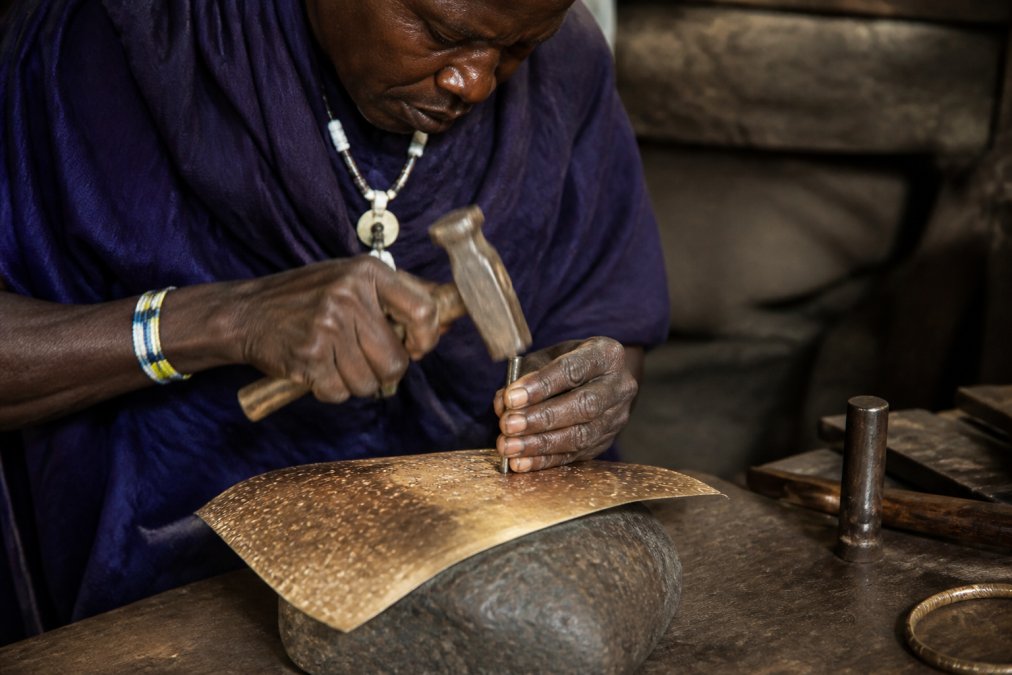
Hand-hammering and beating represent foundational metalworking techniques requiring years of practice to master. The artisan strikes metal sheets with specialized hammers, gradually shaping them into desired forms while maintaining structural integrity. This technique creates the distinctive hand-hammered aesthetic that characterizes much traditional East African jewelry, with subtle variations in surface texture revealing the artisan's individual touch. The process begins with selecting appropriately sized metal sheets, typically gold, silver, or brass. The artisan heats the metal to optimal working temperature, as cold metal becomes brittle and prone to cracking. Using various hammers with different head shapes and weights, the artisan carefully strikes the metal, progressively transforming flat sheets into three-dimensional forms. Hand-beating techniques extend beyond simple shaping to include surface decoration and textural effects, with artisans using specialized hammer heads to create patterns, dimples, and linear designs directly into the metal surface.
Engraving and Filigree Work
Engraving and filigree represent the most delicate and intricate traditional African metalworking techniques. Engraving involves carefully removing material from the metal surface using specialized tools, creating linear patterns and decorative motifs. Filigree work involves creating extremely fine metal wire that is soldered together to form intricate geometric and representational patterns. Filigree work demonstrates extraordinary technical mastery and patience, with artisans drawing wire sometimes thinner than human hair and arranging it into patterns soldered together using techniques requiring perfect temperature control. Engraving demands equally specialized skills, with artisans using burins to incise precise lines and patterns into metal surfaces. These techniques represent the pinnacle of traditional African metalworking artistry, with a single piece incorporating both techniques potentially requiring weeks or months of concentrated labor.
East African Beadwork Patterns and Techniques
Stringing and Weaving Methods
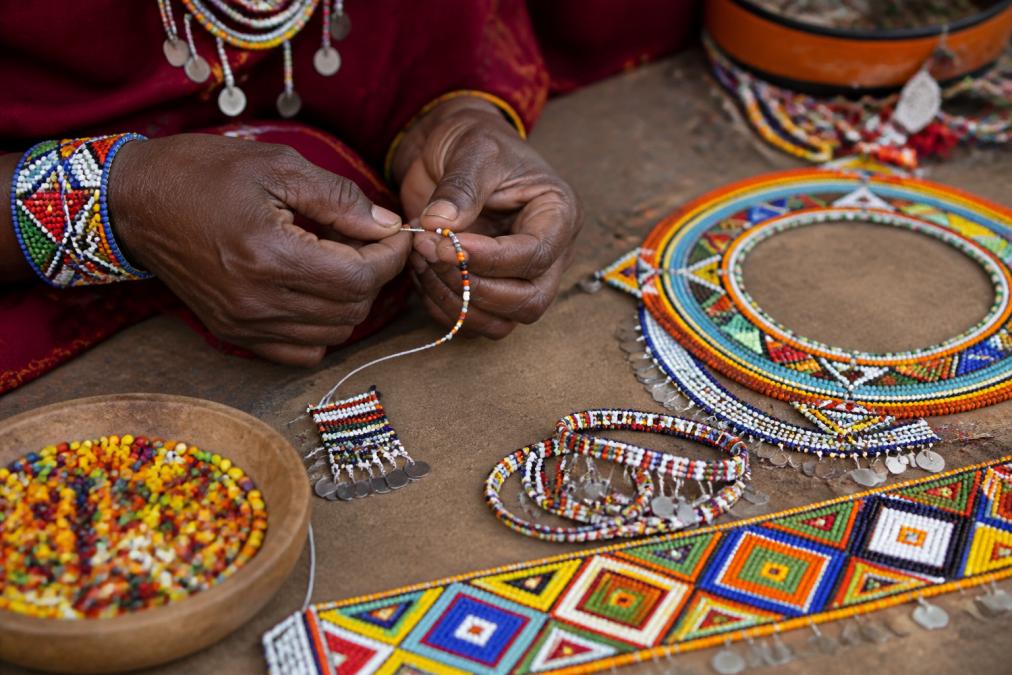
East African beadwork patterns emerge through sophisticated stringing and weaving methods that transform individual beads into cohesive visual narratives. The most fundamental approach involves threading beads onto cord or wire in specific sequences, creating linear arrangements that form necklaces, bracelets, and ornamental strips. Traditional beading techniques extend far beyond simple stringing to include complex weaving patterns that require multiple threads working simultaneously, creating geometric lattice structures or dense, fabric-like surfaces where beads nestle tightly together. The choice of stringing material significantly impacts both aesthetic and functional qualities, traditional cordage made from plant fibers provides flexibility and natural appearance, though contemporary artisans often combine traditional techniques with modern materials that offer improved durability. Weaving techniques represent the most labor-intensive beadwork approaches, sometimes requiring months to complete a single piece, producing jewelry of extraordinary density and structural strength capable of becoming heirloom-quality pieces.
Symbolic Patterns and Color Meanings
Every color and pattern in traditional East African beadwork carries specific cultural significance. Red beads represent strength, courage, and protection, making them central to warrior regalia. White beads symbolize purity and spiritual connection, often incorporated into ceremonial jewelry. Blue represents trust and loyalty, yellow conveys joy and fertility, green symbolizes health and growth, and black carries associations with strength and protective spiritual forces. Geometric patterns hold equally important symbolic weight: triangular arrangements represent masculine energy and protection, circular patterns symbolize wholeness and unity, linear patterns communicate connection and continuity, while diagonal arrangements suggest movement and transformation. Different ethnic groups within East Africa developed distinctive pattern preferences and color combinations, creating visual identities that distinguished communities while maintaining broader regional aesthetic coherence.
Symbolism and Cultural Significance in East African Jewelry
Jewelry in East African cultures transcends mere decoration, functioning as a complex system of communication and cultural expression. Pieces worn during specific life events, births, coming-of-age ceremonies, marriages, and deaths, mark significant transitions and communicate the wearer's changing status within their community. Ceremonial jewelry represents some of the most elaborate and symbolically rich pieces, with wedding jewelry incorporating specific materials and patterns that celebrate union, fertility, and the joining of two family lines. The relationship between jewelry and spiritual belief systems runs deep, with many pieces incorporating protective symbols and materials believed to ward off negative spiritual forces while attracting positive energy. Jewelry also functioned as portable wealth and economic security in many East African societies, with gold and precious metal pieces representing tangible assets that could be traded, inherited, or used as bride price.
The Role of Artisans and Ancestral Craftsmanship
Artisans occupying the highest status within East African communities were those who mastered traditional metalworking techniques and beadwork traditions. These skilled practitioners underwent lengthy apprenticeships, often beginning in childhood under the guidance of master craftspeople within their families or communities. The knowledge transfer happened through direct observation, hands-on practice, and oral instruction, with apprentices gradually assuming greater responsibility as their skills developed. This apprenticeship system ensured that ancestral techniques remained intact across generations while allowing individual artisans to develop personal artistic voices.
Contemporary artisans working with traditional techniques face the challenge of maintaining ancestral knowledge while adapting to modern economic and social realities. Despite disruptions from colonialism, urbanization, and economic pressures, dedicated artisans continue practicing traditional methods, often combining them with contemporary business approaches to sustain their craft. The artisan's role extends beyond technical skill to include cultural stewardship, by maintaining traditional techniques and passing knowledge to younger generations, artisans preserve cultural identity and historical continuity.
Prideful Pieces of Africa works directly with these dedicated artisans, ensuring that fair compensation supports families and communities while traditional techniques remain economically viable. When you choose handcrafted pieces from artisans who practice ancestral methods, you're directly supporting the continuation of centuries-old cultural traditions.
Preserving and Caring for Traditional Jewelry
Traditional jewelry created using ancestral techniques requires thoughtful care to maintain its beauty and integrity across generations. Metal jewelry benefits from regular but gentle cleaning that removes accumulated oils and environmental contaminants without damaging delicate surface details. For pieces featuring engraving or filigree work, soft brushes and mild cleaning solutions work better than abrasive methods. Silver pieces naturally develop a patina over time, which many consider beautiful and representative of the piece's history.
Beaded jewelry requires different preservation strategies, as beads and stringing materials respond to moisture, temperature fluctuations, and physical stress differently than metals. Storing beaded pieces in cool, dry locations helps prevent cord deterioration and bead cracking. Environmental storage conditions significantly impact jewelry longevity, extreme temperature fluctuations, high humidity, and direct sunlight can all damage both metals and beads. Storing pieces in acid-free boxes or wrapped in natural fabrics protects them while allowing air circulation. Consulting with the artisan or community members familiar with the piece's cultural context ensures that preservation efforts honor rather than contradict original design intentions.
Traditional East African jewelry design techniques represent far more than aesthetic choices, they embody centuries of cultural knowledge, technical mastery, and spiritual significance. These handcrafted pieces connect wearers to ancestral heritage while supporting artisans who dedicate their lives to preserving these vital traditions. When you invest in authentic East African jewelry created using traditional methods, you're choosing to wear history while directly helping communities that continue these remarkable practices. Explore Prideful Pieces of Africa's collection of handcrafted jewelry, each piece shaped by skilled artisans using ancestral techniques, and discover how wearing traditional design becomes an act of cultural preservation and community support.
| Technique | Primary Materials | Time Investment | Best For |
|---|---|---|---|
| Lost-Wax Casting | Gold, brass, bronze | Weeks per piece | Detailed symbolic pieces, ceremonial jewelry |
| Hand-Hammering | Silver, gold, brass | Days to weeks | Textured surfaces, three-dimensional forms |
| Engraving | Precious metals | Weeks to months | Surface decoration, fine detail work |
| Filigree | Fine metal wire | Weeks to months | Intricate geometric patterns, delicate designs |
| Beadwork Stringing | Beads, traditional cordage | Days to weeks | Necklaces, bracelets, decorative strips |
| Beadwork Weaving | Multiple beads, threads | Months | Dense patterns, structural jewelry pieces |
Smithsonian Institution's African Art Collection
UNESCO Intangible Cultural Heritage documentation on traditional craftsmanship
International Council of Museums guidelines on jewelry conservation
Frequently Asked Questions
What are the main traditional African metalworking techniques used in East African jewelry design?
The primary techniques include lost-wax casting, where artisans create detailed molds using beeswax that are then filled with molten metal; hand-hammering, which shapes metal sheets into forms through repeated striking; and engraving or filigree work, which adds intricate surface details. Each method requires years of ancestral knowledge and skill passed down through generations. These techniques produce the distinctive hand-crafted quality and durability that define authentic East African metalwork.
What materials are traditionally used in East African jewelry, and why are they significant?
East African jewelry traditionally uses gold, brass, bronze, silver, and copper for metalwork, chosen for their durability and cultural prestige. Beads include ostrich shell, bone, ebony, mineral stones, and semi-precious gems. Each material carries cultural meaning: gold symbolizes wealth and status, while specific bead colors and types communicate identity, age, and social standing. The combination of these materials reflects both the available resources in East African regions and centuries of refined aesthetic choices.
How do East African beadwork patterns differ from other jewelry traditions?
East African beadwork patterns are highly distinctive, featuring geometric designs, color combinations, and stringing methods unique to specific ethnic groups and regions. Patterns often tell stories about the wearer's community, marital status, or life stage. The beads are typically strung using traditional hand-stringing methods that create flexible, wearable pieces. Unlike mass-produced beadwork, authentic East African patterns reflect generations of design evolution and cultural identity, making each piece a wearable record of heritage.
What is the cultural significance of traditional East African jewelry?
In East African cultures, jewelry serves far more than aesthetic purposes. It marks important life transitions, communicates social status, and preserves cultural identity across generations. Specific designs, colors, and materials indicate ethnicity, age, marital status, and achievements. For communities preserving ancestral traditions, wearing traditional jewelry is an act of cultural pride and resistance against cultural erosion. When you wear authentic East African jewelry, you're honoring centuries of craftsmanship and keeping living cultural traditions alive.
How has traditional East African jewelry design evolved over time?
While core techniques and symbolism remain rooted in ancestral practices, East African jewelry design has evolved through trade, migration, and cultural exchange. Contemporary artisans blend traditional metalworking methods like lost-wax casting with modern design sensibilities, creating pieces that honor heritage while appealing to global audiences. However, authentic designs maintain their cultural symbols, hand-crafted quality, and the artisanal techniques that have defined them for centuries. Evolution reflects adaptation, not abandonment, of tradition.
What makes lost-wax casting significant in traditional East African metalworking?
Lost-wax casting is one of the most sophisticated traditional African metalworking techniques, allowing artisans to create complex, detailed designs with precision. The process involves carving intricate patterns into beeswax, creating a mold, and pouring molten metal to form the final piece. This ancient method produces jewelry with exceptional detail and durability, and it requires deep technical knowledge developed over generations. The technique exemplifies how East African artisans achieved remarkable sophistication in metalwork long before industrial manufacturing.
Is it appropriate for non-East Africans to wear traditional East African jewelry?
Wearing authentic, ethically-sourced East African jewelry is a meaningful way to honor and support the cultures that created these traditions. When you purchase from artisans who are fairly compensated and whose work preserves genuine ancestral techniques, you're participating in cultural appreciation rather than appropriation. The key is choosing pieces made by East African artisans using traditional methods, understanding the symbolism and stories behind the designs, and recognizing that your purchase directly supports families and communities in East Africa.
How should I care for and preserve traditional East African jewelry?
Traditional jewelry made from natural materials requires thoughtful care. Store pieces in a dry place away from direct sunlight to prevent fading or material degradation. Clean gently with soft cloths, avoiding harsh chemicals that can damage beads, bone, or delicate metalwork. For pieces with intricate beadwork, handle carefully to prevent bead loss or string breakage. Because each piece is handmade and one-of-a-kind, treating it with respect honors both the artisan's work and the cultural heritage it represents. Proper care ensures these pieces can become family heirlooms.
This article was written using GrandRanker