

Where Fair Trade Fashion Money Goes: A Transparent Breakdown
Table of Contents
- Where Fair Trade Fashion Money Goes: The Complete Flow
- Fair Trade Certification Requirements and How They Protect Artisans
- Breaking Down the Price Premium: What You Pay and Where It Goes
- Living Wage vs. Minimum Wage: The Real Difference in Fair Trade
- Impact of Fair Trade Premiums on Communities: Education, Water, and Economic Empowerment
- How to Identify Ethical Fashion Brands and Verify Their Claims
- Accountability and Auditing: How Fair Trade Claims Get Verified
- Conclusion
Last Updated: August 23, 2026
Where Fair Trade Fashion Money Goes: The Complete Flow
When you purchase a handcrafted piece from Prideful Pieces of Africa, your money doesn't simply line a retailer's pocket. The path it takes reveals how fair trade fashion money flows through multiple channels, each one designed to uplift artisans, strengthen communities, and preserve cultural heritage.
Fair trade fashion operates on a fundamentally different economic model than conventional retail. Instead of a linear supply chain where manufacturers, distributors, and retailers each take their cut, fair trade systems create direct relationships between producers and consumers. This transparency ensures that artisans receive compensation reflecting the true value of their labor and craftsmanship.
When someone buys a handcrafted necklace or textile piece from Prideful Pieces of Africa, they're funding education programs, clean water infrastructure, and economic empowerment initiatives in East African communities where our artisans live and work.
Fair Trade Certification Requirements and How They Protect Artisans
Fair trade certification enforces accountability in supply chains through independent audits. Certifying organizations require participating businesses to meet specific criteria: artisans must receive living wages, working hours must comply with local labor laws, child labor is strictly prohibited, and environmental standards mandate waste reduction and sustainable material sourcing. Certification bodies conduct surprise audits to ensure compliance.
A portion of the price premium consumers pay goes directly to auditors, inspectors, and administrative staff who verify that artisans are actually receiving fair wages and working in safe conditions. This verification mechanism addresses consumer skepticism: when a piece carries a fair trade label from a recognized certifying body, an independent third party has investigated the supply chain and confirmed the claims.
Fair trade certification organizations require that artisans participate in decision-making about how community development funds are spent. This is democratic economic participation, not paternalistic aid. Artisans themselves vote on whether their community premium should fund a school expansion, a water system, or microfinance programs.
Breaking Down the Price Premium: What You Pay and Where It Goes
The price difference between fair trade fashion and conventional clothing often confuses shoppers. A handcrafted fair trade necklace might cost three to five times more than a mass-produced equivalent because the premium reflects genuine value rather than arbitrary markup.
When you purchase fair trade fashion, the price premium breaks down into several components: artisans receive wages 50-70% higher than conventional manufacturing wages in the same region (wfto.com); a community development premium (typically 5-10% of retail price) funds artisan-controlled projects; administrative costs cover fair trade certification and supply chain transparency; and retailer margins support business operations connecting artisans with global customers.
Consider a concrete example: a handcrafted beaded bracelet retailing for $45. The artisan who spent eight hours creating it receives fair wages of $12-15, significantly above the regional minimum wage. Fair trade certification and supply chain verification costs roughly $2. The community development premium contributes $2-4 to education or water projects. Shipping, packaging, and platform costs account for $8-10. The retailer's operational margin covers their team, marketing, customer service, and business sustainability at $10-15.
This breakdown reveals why fair trade pieces cost more: you're paying for genuine labor value, not subsidizing poverty wages. You're funding independent verification that claims are actually true. You're supporting community-controlled development projects.
Living Wage vs. Minimum Wage: The Real Difference in Fair Trade
A living wage is calculated based on actual cost of living in a specific region, accounting for housing, food, transportation, childcare, healthcare, and education (ilo.org). A minimum wage, set by governments, often falls far below what's needed to afford basic necessities.
In many East African regions where fair trade fashion artisans work, the legal minimum wage might be $2-4 per day, while a living wage calculation typically comes to $8-12 per day (peer-reviewed research). Fair trade standards explicitly require living wages, not minimum wages. This is why fair trade fashion costs more: artisans are paid what their work is actually worth.
A garment worker earning minimum wage struggles to send children to school, afford healthcare, or save for emergencies. A fair trade artisan earning living wages can invest in their children's education, access medical care, and build modest financial security. Over a generation, this difference determines whether families escape poverty or remain trapped in cycles of economic instability.
Fair trade supply chain auditing specifically verifies that wages meet living wage standards. Without it, brands can claim to pay "fair wages" while actually paying minimum wage, a distinction consumers can't verify independently.
Impact of Fair Trade Premiums on Communities: Education, Water, and Economic Empowerment
The community development premium, typically 5-10% of retail price, creates tangible infrastructure and opportunity in artisan communities. Unlike charity, which addresses symptoms, fair trade premiums fund systems that build long-term prosperity.
Education represents the most common use of community development funds. Fair trade premiums have funded school construction, teacher salaries, scholarship programs, and educational materials. When artisans vote to allocate their premium to education, they're investing in their children's futures and breaking cycles of limited opportunity.
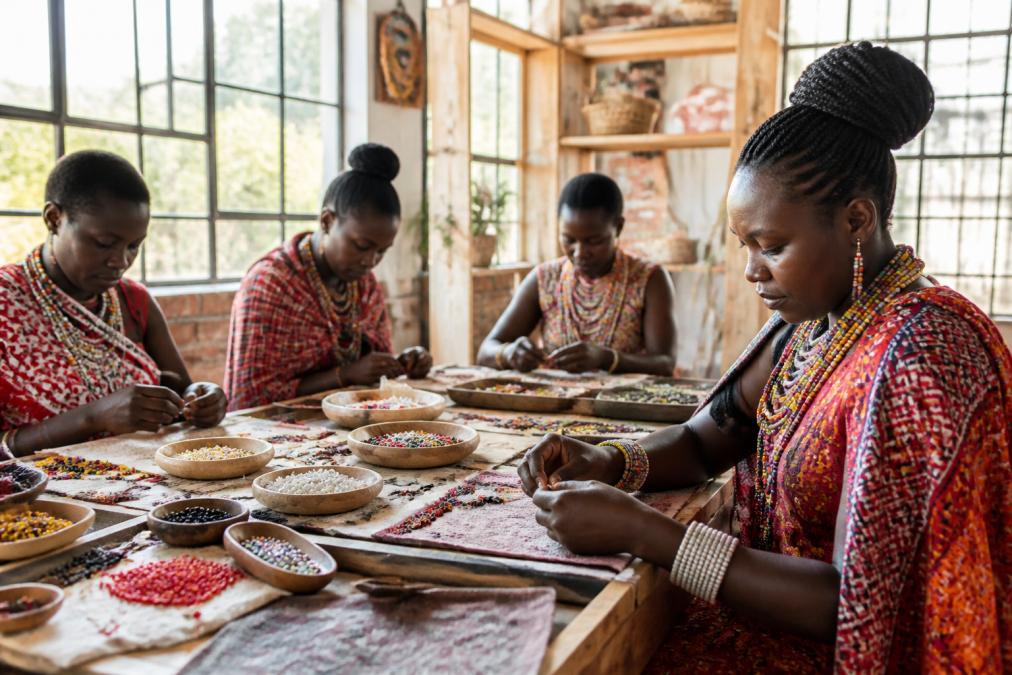
Water infrastructure represents another critical allocation area. Fair trade premiums have funded well drilling, water purification systems, and rainwater collection infrastructure. The health impact is immediate: reduced waterborne disease, fewer missed work days, lower infant mortality rates.
Healthcare access improvements often follow water infrastructure investments. Fair trade premiums fund clinics, medical equipment, and health education programs. Economic empowerment initiatives use premiums to build financial independence through microfinance programs, skills training, and business management education.
The power of community development funds lies in democratic control. Artisans themselves decide how premiums are spent, not external organizations imposing priorities. At Prideful Pieces of Africa, we are committed to transparency regarding community investments and share impact reports with customers, transforming the transaction into concrete participation in community transformation.
How to Identify Ethical Fashion Brands and Verify Their Claims
Legitimate fair trade brands provide specific information about their supply chain. They name the artisans or communities producing their pieces, explain their certification status, publish detailed pricing breakdowns, and share impact reports showing concrete outcomes from community development funds.
Certification from recognized organizations provides the strongest verification. Fair Trade USA, World Fair Trade Organization, and similar bodies conduct independent audits and maintain public databases of certified producers. You can verify a brand's certification status through these organizations' websites.
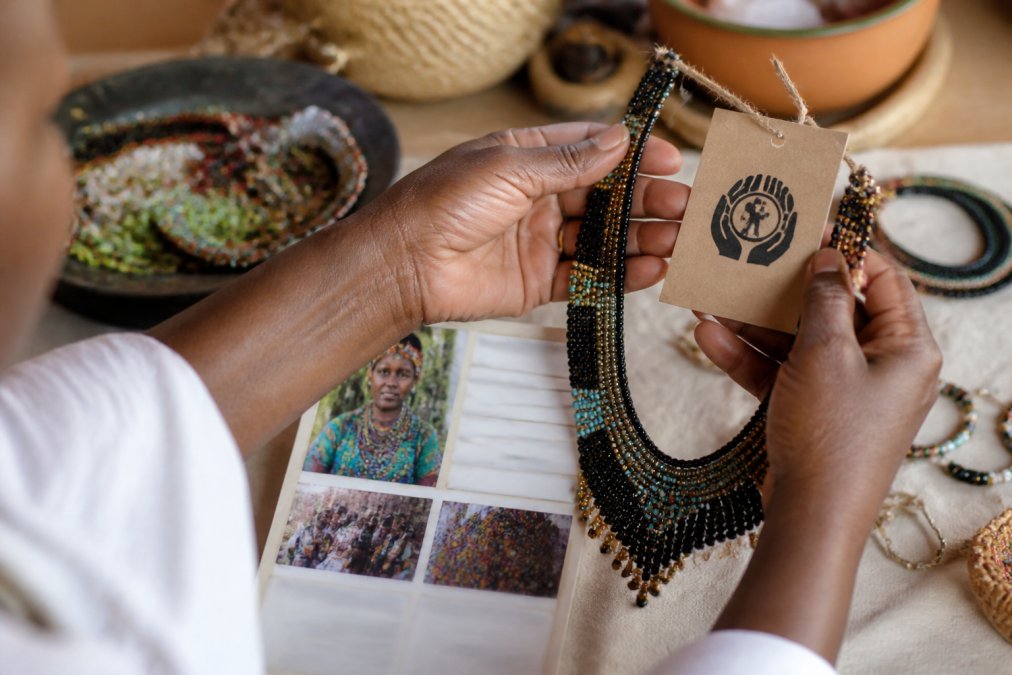
Ask brands specific questions: Where are pieces made? Who makes them? What wages do artisans receive? How are community development funds allocated and spent? How often are audits conducted? Genuine fair trade brands answer these questions directly and provide evidence. Brands that deflect or provide vague responses are likely engaged in "ethics washing."
Look for direct artisan attribution. Fair trade brands increasingly identify specific artisans or small producer groups behind each piece, creating accountability and deepening the connection between consumer and maker. Research the brand's history and community relationships. Ethical fashion brands build long-term partnerships, not just supply chains. Check for third-party reviews and customer testimonials, which reveal whether pieces arrive as described and whether community impact claims hold up to scrutiny.
Accountability and Auditing: How Fair Trade Claims Get Verified
Fair trade certification bodies maintain detailed audit protocols. Auditors visit production facilities unannounced to prevent staged compliance. They interview artisans privately to verify wages and working conditions, review financial records to confirm premiums were paid, and inspect facilities for safety hazards or labor violations. These audits occur regularly, typically annually, creating ongoing accountability.
Audit findings are public. Certification organizations publish lists of certified producers and maintain records of violations and remediation efforts. Supply chain traceability systems create additional accountability layers. Modern fair trade brands use technology to track products from artisan to consumer. You can scan a QR code on your purchase and see exactly which artisan created it, what they were paid, and which community projects their work supported.
Fair trade organizations require brands to maintain separate accounting for premium payments. Regular audits verify that premiums were actually paid to artisans and that community development funds were spent as allocated. Violations result in consequences: brands found misrepresenting fair trade claims lose certification. This enforcement mechanism creates real incentives for compliance.
However, auditing systems aren't perfect. Consumer awareness of these limitations is important. Certification provides strong accountability, but it's not an absolute guarantee. The most ethical approach combines certification verification with direct brand relationships and community engagement.
Fair trade fashion money flows through systems designed to create accountability at every stage. When you understand where your money actually goes, how much reaches artisans, what portion funds community development, and which organizations verify the claims, you can shop with genuine confidence that your purchase creates the impact you intend.
Prideful Pieces of Africa operates within this transparent framework. Each handcrafted piece you purchase supports a family in Kenya, contributes to a child's school day, and provides a village with clean water. That's not marketing language, it's the documented outcome of fair trade fashion money flowing through artisan communities exactly as designed.
Frequently Asked Questions
Q: What is the difference between fair trade and ethical fashion?
A: Fair trade fashion follows certified standards that guarantee minimum prices, safe working conditions, and community investment through formal supply chain auditing. Ethical fashion is a broader term encompassing sustainable practices, labor rights, and environmental responsibility, but it doesn't require third-party certification. Fair trade is one approach to ethical fashion, but not all ethical brands are certified fair trade. The key difference: fair trade has measurable accountability mechanisms and verified premium payments to producers.
Q: How do fair trade premiums benefit garment workers and their communities?
A: Fair trade premiums, typically 10-20% above conventional prices, fund community development projects chosen by producers themselves. These funds support education access, clean water infrastructure, healthcare, and skill-training programs. Beyond the premium, fair trade requires living wages (not just minimum wage), safe factory conditions, and long-term buyer relationships that provide income stability. Workers gain economic empowerment, and their families see direct improvements in quality of life through projects their own communities prioritize.
Q: How can I verify that a fair trade fashion brand is actually certified and trustworthy?
A: Look for third-party certification logos from recognized standards bodies. Check the brand's supply chain transparency, reputable fair trade companies publish detailed information about their producers, factories, and how premiums are used. Many post impact reports showing community projects funded. Ask for traceability: can they name the artisans or factories and explain the payment structure? Brands with nothing to hide provide this information readily on their website or upon request. Avoid vague claims like 'ethically made' without certification backing.
Q: Does fair trade certification guarantee a living wage?
A: Fair trade certification requires fair wages above minimum wage, but living wage standards vary by region and cost of living. A fair trade living wage must cover basic needs, food, housing, healthcare, education, for a worker and their family. Some certified fair trade organizations define and enforce living wage minimums; others set floor prices that producers use to calculate wages. The distinction matters: minimum wage is the legal floor; living wage is what workers actually need to thrive. When buying fair trade, ask whether the brand specifically commits to living wage levels, not just fair trade minimums.
This article was written using GrandRanker