

Artisan Jewelry for Sensitive Skin: A Complete Guide
Table of Contents
- Is Artisan Jewelry Good for Sensitive Skin?
- Why Artisan Jewelry Often Works Better Than Mass-Produced Pieces
- Best Metals and Hypoallergenic Jewelry Materials for Sensitive Skin
- Metals to Avoid: Nickel, Brass, and Copper
- How Skin pH and Protective Coatings Affect Reactions
- Benefits of Buying Fair Trade Jewelry for Skin Health and Ethics
- Sustainable Artisan Pieces: Quality You Can Trust
- Frequently Asked Questions
Last Updated: September 1, 2026
Is Artisan Jewelry Good for Sensitive Skin?
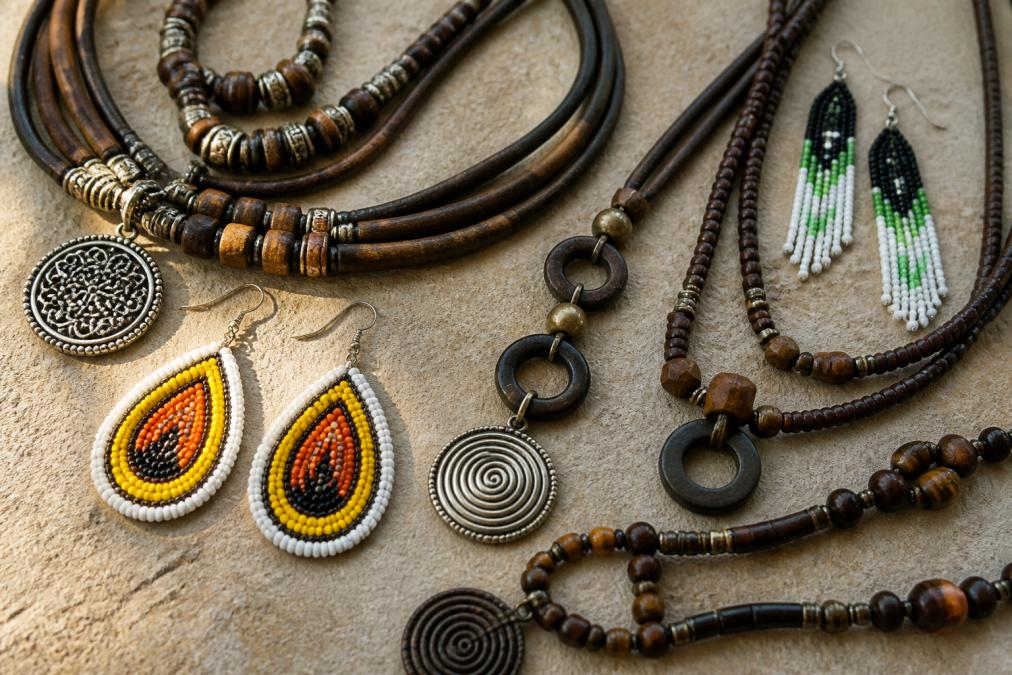
Artisan jewelry crafted by hand often works better for people with sensitive skin than mass-produced pieces. The difference comes down to materials, craftsmanship, and transparency about what touches your skin. At Prideful Pieces of Africa, we create handcrafted jewelry using carefully selected materials that prioritize skin health alongside cultural authenticity. When you wear artisan jewelry, you're choosing pieces designed with intention rather than manufactured for cost reduction, which typically means fewer hidden allergens and better overall quality.
Mass-produced jewelry often contains nickel, brass, and copper alloys that trigger allergic reactions. Artisan makers prioritize material integrity and source metals and natural materials specifically chosen to minimize irritation. This guide covers everything you need to know about selecting artisan jewelry that your skin will actually tolerate.
Why Artisan Jewelry Often Works Better Than Mass-Produced Pieces
Handmade jewelry gives artisans control over every material choice. When a craftsperson shapes each piece by hand, they select base metals, finishes, and components with direct knowledge of how they'll perform against skin. Mass manufacturers optimize for speed and margin, using cheaper alloys, inconsistent plating, and fillers that react with skin oils and sweat.
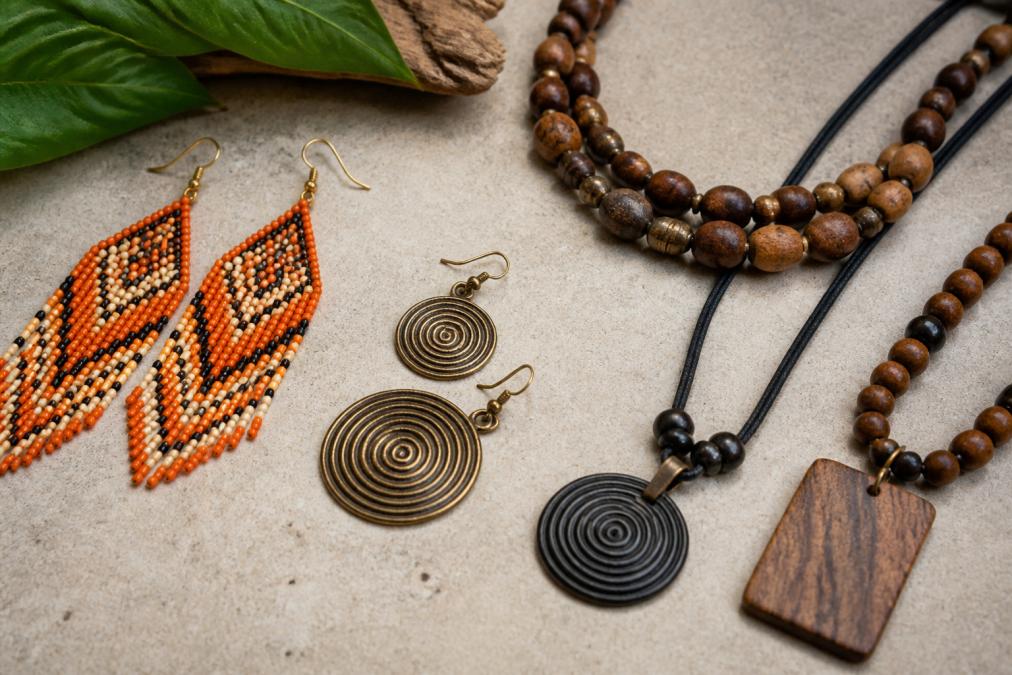
Artisans can apply protective coatings like PVD (physical vapor deposition) plating more carefully, ensuring even coverage, and choose hypoallergenic findings rather than accepting bulk components. They also use fewer chemical treatments that irritate reactive skin.
Transparency is another advantage. When you buy from an artisan or a brand like Prideful Pieces of Africa, you can ask about materials and get honest answers. You know whether the wire is surgical grade stainless steel or nickel-laden brass. Many artisans have experienced allergic reactions themselves, which drives them to solve the problem for others. This personal stake in quality shows in the final product.
Best Metals and Hypoallergenic Jewelry Materials for Sensitive Skin
The safest metals for sensitive skin fall into two categories: biocompatible metals that rarely trigger reactions and natural materials that bypass the metal-allergy problem entirely.
Titanium and Niobium: The Safest Choices
Titanium and niobium are the gold standard for sensitive skin. Both are hypoallergenic, resist oxidation, and don't leach ions that trigger contact dermatitis. Titanium is used in surgical implants because the body tolerates it so well (peer-reviewed research). These metals are naturally nickel-free and lead-free and won't tarnish or corrode.
Look for implant-grade titanium (ASTM F136) or medical-grade niobium when shopping. These standards ensure purity and biocompatibility. The TEMBO AFRICA Maasai Beaded Earrings, handcrafted with seed beads and wire at $9.99, offer an excellent entry point into artisan pieces that avoid reactive metals entirely by using natural beads instead.
Sterling Silver and Gold: Purity Matters
Sterling silver and gold work for many people with sensitive skin, but only when genuinely pure. Sterling silver is 92.5% silver, with 7.5% alloy, often copper, sometimes nickel. If that alloy includes nickel, you'll react. Pure gold (24 karat) is safer than lower karats; 14-karat gold or higher generally works for sensitive skin, but 10-karat gold often contains too much nickel.
Ask the artisan directly about alloy composition. Reputable artisans know what they use and will tell you. Gold vermeil (gold plated over sterling silver) can work if the sterling silver underneath is nickel-free and the plating is thick enough not to wear through quickly. Rhodium plating over sterling silver is another good option; rhodium is hypoallergenic and creates a barrier between your skin and the silver.
Natural Materials: Wood and Beads
Wood, ceramic, and natural beads bypass metal allergies entirely. If you have severe metal sensitivity, wooden earrings and beaded necklaces are your safest bet. The Bohemia Natural Wooden African Earrings for Women at $5.99 showcase this approach beautifully, smooth, natural wood with printed details that celebrate African heritage while eliminating any risk of metal reaction. The MALOYANVE 6-Piece Juneteenth African Jewelry Set ($15.99) combines natural wood with beads, offering multiple pieces without any reactive metals.
Wooden jewelry requires care: store in a dry place and avoid prolonged moisture exposure to prevent discoloration or warping.
Metals to Avoid: Nickel, Brass, and Copper
Nickel, brass, and copper cause the majority of jewelry allergies. Nickel is the worst offender, it's cheap, so manufacturers use it widely in alloys and plating (the CDC). Even small amounts trigger contact dermatitis in sensitive people. Brass is an alloy of copper and zinc; many people react to the copper component. Brass tarnishes over time, releasing more reactive ions. Copper itself oxidizes and releases particles that irritate skin.
Mass-produced jewelry often hides these metals. A piece labeled "gold" might be gold plating over nickel-laden brass. The plating wears through in weeks, and suddenly your skin reacts. Artisans avoid this deception because their reputation depends on honesty.
When shopping, look for explicit statements that pieces are nickel-free, lead-free, and cadmium-free. Reputable artisans will provide this information without hesitation.
How Skin pH and Protective Coatings Affect Reactions
Your skin's pH level directly influences how quickly metals break down and release ions that trigger allergic reactions (peer-reviewed research). Skin is naturally slightly acidic, with a pH around 4.5 to 5.5. The lower your skin pH (more acidic), the faster metals oxidize and leach reactive particles. This is why the same artisan piece might irritate one person and not another, it's the interaction between the metal and your specific skin chemistry.
Understanding Acidic Skin and Metal Reactivity
When skin is particularly acidic, from sweat, diet, certain medications, or individual biochemistry, the environment accelerates metal degradation. Nickel, copper, and brass break down fastest in acidic conditions, releasing nickel ions within hours of contact. Even "safe" metals like sterling silver can cause irritation if your skin pH is very low and the silver alloy contains reactive components.
You can test your skin pH using pH strips (available at drugstores for under $10) by pressing a moistened strip against your inner arm for 15 seconds. A reading below 4.5 indicates acidic skin that will react faster to reactive metals. If your pH is consistently below 4.5, prioritize titanium, niobium, or natural materials over sterling silver or gold.
How Protective Coatings Create a Barrier
Protective coatings work by creating a physical barrier between your skin and the underlying metal, preventing direct contact and ion transfer.
PVD (Physical Vapor Deposition) Plating: A thin, durable coating applied in a vacuum chamber. Quality PVD plating is 2-5 microns thick and lasts 1-3 years with normal wear. It's hypoallergenic and won't flake off like traditional plating. Ask artisans specifically whether they use PVD and at what thickness.
Rhodium Plating: A precious metal coating over sterling silver that's hypoallergenic and creates a bright, durable finish. Rhodium plating is typically 0.5-2 microns thick and lasts 6-18 months depending on wear. It's more expensive than PVD but offers a luxurious finish.
Clear Nail Polish (DIY Barrier): A practical, low-cost option for existing jewelry you love but that irritates your skin. Apply 2-3 thin coats of clear, non-toxic nail polish to the parts that touch your skin. This creates a temporary barrier lasting 1-2 weeks before reapplication is needed.
Matching Coatings to Your Skin Profile
If you have acidic skin (pH below 4.5) and a history of metal allergies, prioritize artisan pieces with thick PVD plating or rhodium plating over sterling silver. If your skin pH is neutral to slightly alkaline (above 5.5) and you only react to nickel, rhodium-plated sterling silver or gold vermeil may work fine. For artisan pieces without protective coatings, ask the maker about the base metal's corrosion resistance.
Benefits of Buying Fair Trade Jewelry for Skin Health and Ethics
Fair trade artisan jewelry connects skin health to ethical sourcing. When you buy from artisans paid fairly for their work, you're supporting makers who have the time and resources to do the work properly. Rushed production leads to poor plating, inconsistent materials, and corners cut on quality. Fair trade pricing allows artisans to invest in better materials and more careful craftsmanship.
Fair trade also ensures transparency about sourcing. You can ask where materials come from and how they're processed. This transparency matters for sensitive skin because you can trace exactly what touches your skin. No hidden nickel alloys, no mysterious plating processes, just honest information.
Sustainable Artisan Pieces: Quality You Can Trust
Sustainability and skin health are directly linked in artisan jewelry. Sustainable makers prioritize durability and material integrity because they design pieces to last years, not months. This longevity means using quality metals that won't degrade, protective coatings that remain intact, and minimal chemical residues on the finished piece, all factors that reduce irritation for sensitive skin.
Why Sustainable Sourcing Reduces Skin Irritation
Sustainable artisans minimize harsh chemical finishing processes, which means fewer residues left on the jewelry that could irritate skin. Mass-produced pieces often undergo aggressive chemical polishing and plating that leaves trace chemicals on the surface. Artisans committed to sustainability use gentler finishing methods, hand-polishing instead of harsh chemical baths when possible, and careful rinsing to remove plating solution residue.
Sustainable makers also source materials more carefully, often using recycled metals or ethically mined materials with verified purity. The African Necklace for Women from Prideful Pieces of Africa at $42.99 exemplifies this approach: handmade with authentic Ankara fabric and cotton cord, it uses natural materials and minimal chemical processing, eliminating the risk of chemical residue irritation entirely.
Caring for Artisan Jewelry to Maintain Skin Safety
Artisan pieces require specific care to preserve their hypoallergenic properties and protective coatings.
Cleaning Artisan Metal Jewelry: Clean metal pieces weekly with warm water, mild dish soap, and a soft cloth. Avoid harsh commercial jewelry cleaners, which can strip protective coatings or leave chemical residue. For pieces with PVD or rhodium plating, gentle hand-washing is essential; ultrasonic cleaners and steam cleaners can damage thin coatings. Pat dry immediately with a soft cloth to prevent water spots and mineral buildup.
For tarnished sterling silver, use a soft polishing cloth designed for silver rather than abrasive chemical dips. If tarnish is heavy, a paste of baking soda and water applied gently with a soft cloth works well. Rinse thoroughly and dry completely.
Storing Artisan Pieces: Store metal jewelry in a dry, cool place, ideally in individual cloth pouches or a lined jewelry box. Avoid storing pieces in plastic bags, which trap moisture. For wooden and beaded artisan pieces, store in a dry location away from direct sunlight. Never store wooden jewelry in sealed plastic; allow air circulation to prevent mold or mildew growth.
Removing Jewelry Before Activities: Remove artisan jewelry before swimming, showering, or exercising. Chlorine, saltwater, and sweat accelerate coating wear and metal oxidation. Remove jewelry before applying lotions, perfumes, or sunscreen, which can interact with metals or coatings in ways that increase skin irritation.
Recognizing When Coatings Need Renewal
Even well-maintained artisan pieces eventually show wear. PVD plating typically lasts 1-3 years with daily wear; rhodium plating lasts 6-18 months. Signs that a coating is failing include visible tarnishing on the metal underneath, dull spots where the coating has worn through, or a return of skin irritation after months of comfortable wear.
When coatings wear through, contact the artisan about re-plating options. Many artisans offer re-plating services at a fraction of the original piece's cost, extending the life of a beloved piece indefinitely.
Frequently Asked Questions
What jewelry materials are best for sensitive skin?
Titanium, niobium, surgical stainless steel (316L), sterling silver (92.5% pure), and natural wood are safest for sensitive skin. Artisan jewelry often uses these quality materials because craftspeople prioritize durability and wearer comfort. Avoid nickel, brass, and copper, which trigger contact dermatitis in many people. Handcrafted pieces from fair trade artisans typically avoid cheap base metals that cause reactions.
Does artisan jewelry contain nickel?
Not necessarily. Artisan jewelry crafted by skilled makers often avoids nickel entirely, especially when sourced ethically. Mass-produced jewelry frequently uses nickel as a cheap filler in alloys. Fair trade artisans who depend on reputation and repeat customers select quality materials that won't irritate skin. Always check material descriptions, reputable artisans specify nickel-free construction.
What are the benefits of buying fair trade jewelry for sensitive skin?
Fair trade jewelry supports transparency in material sourcing, meaning you know exactly what metals and finishes are used. Ethical artisans invest in quality materials because their livelihoods depend on customer satisfaction and repeat purchases. You avoid the hidden nickel and cadmium found in mass-produced pieces. Additionally, fair trade practices ensure sustainable, regenerative sourcing, reducing environmental toxins that can affect skin health over time.
How can I tell if artisan jewelry will cause an allergic reaction?
Request material specifications from the artisan, reputable makers provide detailed information about metals, coatings, and finishes. Look for nickel-free, lead-free, and cadmium-free certifications. If you have known metal sensitivities, ask if the piece has protective coatings like PVD or rhodium plating. Patch test by wearing the piece for short periods first. Handcrafted pieces from established fair trade sources are more likely to include this transparency than mass-produced alternatives.
Is sterling silver or gold better for sensitive skin?
Both work well if pure enough. Sterling silver (92.5% pure silver) rarely causes reactions. Gold is hypoallergenic but only at high karat levels, 14K or higher. Lower karat gold contains more alloy metals like nickel or copper, which trigger sensitivity. Artisan jewelers often use higher-quality metals than factories because they craft for individual customers who may disclose skin concerns. Fair trade artisans prioritize quality materials that support their reputation and community impact.
This article was written using GrandRanker