

How to Care for East African Traditional Garments
Table of Contents
- What You'll Need to Care for East African Traditional Garments
- How to Wash African Wax Print Fabric Without Fading Colors
- Drying and Ironing Techniques for Vibrant Prints
- Preserving Beaded Traditional Garments and Delicate Embellishments
- Storing Handmade Artisan Apparel for Long-Term Protection
- Stain Removal and Repair for Natural Dyes and Hand-Woven Fabrics
- Common Mistakes to Avoid When Caring for East African Traditional Garments
- Conclusion
- Frequently Asked Questions
Last Updated: September 12, 2026
What You'll Need to Care for East African Traditional Garments
Caring for East African traditional garments starts with treating them as handcrafted textiles: natural dyes, hand-woven threads, and beadwork that took hours to assemble. This guide from Prideful Pieces of Africa walks through how to care for East African traditional garments so a kanga, kitenge, gomesi, or beaded piece stays vibrant for decades instead of months.
The core rule: cold water, mild detergent, no bleach, and patience. Heat and harsh chemicals destroy wax prints and natural fibers, not wear.
Here's what to gather before you start:
- A clean basin or bucket reserved for delicate fabrics (dye transfer is real)
- Mild, bleach-free detergent, ideally a pH-neutral formula
- Cold water, never hot
- A drying rack or shaded clothesline
- A clean cotton cloth or white towel for pressing
- A mesh laundry bag for beaded or embellished pieces
- Acid-free tissue paper and a breathable cotton storage bag for heirlooms
How to Wash African Wax Print Fabric Without Fading Colors
Washing African wax print fabric without fading comes down to three variables: water temperature, detergent strength, and agitation. Control all three and the print holds its color for years; get them wrong and one wash can dull it permanently.
Hand Washing Step by Step
- Fill a basin with cold water and add a small amount of mild, bleach-free detergent.
- Submerge the garment and let it soak for 10 to 15 minutes.
- Agitate gently with your hands, focusing on underarms and collars. Do not scrub or wring.
- Drain the basin and refill with clean cold water.
- Rinse until the water runs clear, pressing the fabric against the basin wall rather than twisting it.
- Roll the garment in a clean towel to remove excess water.
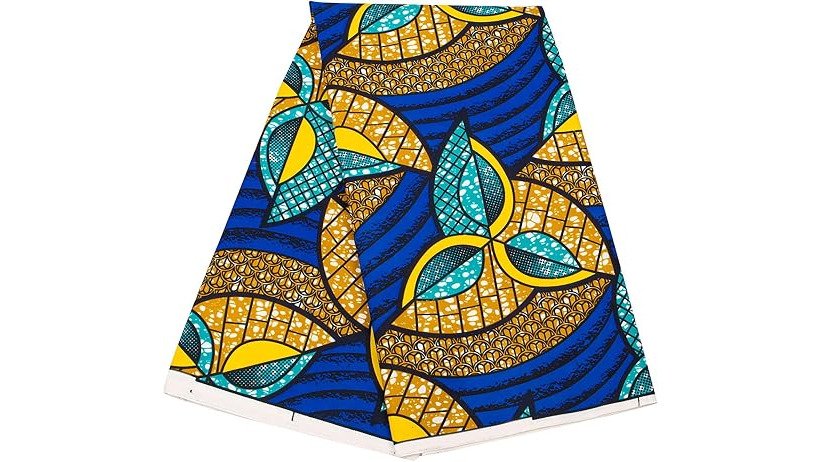
Machine Washing Rules for Wax Prints
Machine washing is acceptable for sturdy cotton wax prints, but only on the gentlest setting. Turn the garment inside out, use a mesh bag, select a cold-water delicate cycle, and skip the spin cycle if your machine allows it.
Never machine wash beaded, embroidered, or hand-woven pieces. The agitation cracks beads and frays hand-loomed threads in a single cycle. For pieces like the Women's African Print Dress Ankara Wax Dresses Lantern Sleeves, which the maker labels hand-wash only, follow that instruction exactly.
Drying and Ironing Techniques for Vibrant Prints
Air drying in shade is the single best thing you can do for colorfastness. UV exposure fades wax prints faster than any other factor, so dry garments indoors or under a covered line, laying flat or hanging on padded hangers to preserve shape (PubMed).
For ironing:
- Always iron on the reverse side, never directly on the printed face
- Use a low to medium heat setting, and test on an inside seam first
- Place a clean cotton cloth between the iron and the fabric as a buffer
- Press with steam rather than dragging the iron across the print
- Let the garment cool completely before folding
Synthetic blends, including polyester-based wax prints, scorch at lower temperatures than cotton. Keep the iron below the synthetic setting and lift, rather than slide, when you press.
Preserving Beaded Traditional Garments and Delicate Embellishments
Beaded and embellished pieces need the least washing and the most caution. Spot clean whenever possible; when a full wash is unavoidable, hand wash cold with a drop of mild detergent and lay flat on a towel to dry. Hanging a wet beaded garment stretches the thread and warps the beadwork (si.edu).
Store beaded pieces flat or folded with tissue paper between layers so beads don't press into each other. Check heavier beadwork once a season and secure loose thread with a single knot before it unravels; repairing one bead now prevents losing a whole cluster later.
Storing Handmade Artisan Apparel for Long-Term Protection
Storage is where most people undo months of careful washing. A kanga or gomesi stored well holds its color and structure for generations; stored badly, it can be moth-eaten, mildewed, or permanently creased within a season. This section covers everyday storage and the long-term heirloom care most guides skip.
Everyday Storage Rules
- Cool, dark, dry. Never a damp basement, never a sunlit closet. Light fades dye; moisture invites mildew and dye bleed.
- Breathable containers. Use cotton garment bags or acid-free boxes. Plastic bins and vacuum bags trap moisture and can cause mildew and dye bleed.
- Fold, don't hang, heavy pieces. Hand-woven and beaded garments stretch on hangers. Fold them, and refold along different lines every few months to prevent permanent creases.
- Separate by color family. Naturally dyed reds and indigos can transfer over time, especially in humid conditions. Keep them apart.
Heirloom Storage for Kanga, Kitenge, and Gomesi Pieces
For pieces you plan to pass down, the goal shifts from "keep it clean" to "slow degradation over years" by controlling four variables: pests, moisture, light, and physical stress.
Pests (moths and carpet beetles). These are the number-one destroyer of stored natural-fiber textiles. Moths lay eggs in dark, undisturbed fabric, and larvae eat protein fibers and soiled areas first. Cedar helps but loses potency over time, so use a two-part system:
- Inspect the garment once or twice a year. Look at folds, seams, and underarms, the places larvae feed first.
- Air the piece in indirect light briefly, then refold and return it to storage. Fresh air and light discourage pests and let you catch damage early.
Moisture. Even a breathable bag won't protect a garment stored against a damp wall. Keep storage off the floor and away from exterior walls. In humid climates, a silica gel packet inside the box (not touching the fabric) helps, replaced periodically.
Light. UV breaks down dye molecules and weakens fibers. Store in the dark, and when you do bring a piece out, keep it in indirect light. Direct sun is the fastest way to fade a wax print.
Physical stress. Acid-free tissue paper between folds prevents creases and dye transfer. Don't stack heavy pieces on beaded or embroidered ones, and rotate fold lines every few months so no crease sets permanently.
What Not to Do
- Do not store in plastic, ever. It traps moisture and off-gasses over time.
- Do not store in a hot attic or a damp basement. Both accelerate degradation.
- Do not hang beaded or hand-woven pieces long-term. The weight of the beads or the weave pulls the garment out of shape.
- Do not use mothballs on naturally dyed or beaded pieces. The chemicals can damage dyes and bead finishes, and the odor is difficult to remove.
A Note on Rotation
If you wear a piece regularly, it needs everyday care, not heirloom storage. Reserve the long-term routine for pieces you wear rarely or are holding for the next generation. Rotation is good for textiles: occasional airing and inspection catches problems before they become permanent.
Stain Removal and Repair for Natural Dyes and Hand-Woven Fabrics
Most guides tell you to "blot and use cold water" and stop there. That's fine for a mass-produced cotton tee, but not for a wax-resist kitenge, a vegetable-dyed kanga, or a hand-loomed gomesi. Natural dyes and hand-woven threads behave differently from synthetic dyes and milled fabric: delicate, dye-sensitive, and repairable if you act correctly.
Why Natural Dyes React Differently
Vegetable, mineral, and insect-based dyes (indigo, madder root, turmeric, kola nut) bond to fiber more loosely than industrial reactive dyes. That loose bond gives these textiles their depth and variation, and makes them vulnerable. Three things break it fast:
- Alkaline cleaners. Bleach, oxygen boosters, and many spray stain removers are alkaline. They lift the dye along with the stain, leaving a pale halo that cannot be re-dyed to match.
- Heat. Hot water opens the fiber and drives both the stain and the dye deeper, or flushes the dye out entirely.
- Friction. Scrubbing abrades the surface of wax-printed cotton and fuzzes hand-woven threads, which dulls the print and weakens the weave.
The better approach is to identify the stain, then match the method to the fiber and dye.
Stain-by-Stain Playbook
| Stain | First Move | Avoid | Why It Matters |
|---|---|---|---|
| Oil or food grease | Blot (don't rub), then dab with mild pH-neutral detergent and cold water; repeat | Hot water, rubbing, dish soap | Heat sets grease into the fiber; rubbing spreads it and abrades wax print |
| Red wine or fruit juice | Blot immediately, then flush from the back with cold water | Bleach, salt, oxygen booster | Bleach strips natural dye along with the stain; salt can set some pigments |
| Ink | Dab with a cotton swab and one drop of mild soap; work from the outside in | Scrubbing, alcohol on wax print | Alcohol dissolves the wax-resist coating and dulls the print |
| Mud or clay | Let it dry fully, brush off the solids, then hand wash cold | Pre-soaking in hot water | Hot water drives clay particles deeper into the weave |
| Deodorant or sweat | Dab with a 1:1 mix of cold water and white vinegar, then rinse | Leaving it to sit, hot water | Acidic rinse helps lift mineral residue without stripping dye |
| Protein stains (milk, egg) | Flush with cool water, then a mild enzyme-free detergent | Hot water, enzyme boosters | Enzymes and heat can attack both the stain and the dye bond |
Repair and Restoration Techniques
Washing is only half of care; the other half is keeping a garment structurally sound so it doesn't need replacing.
- Frayed edges and hems. Mend from the inside with a fine needle and thread matched to the fabric weight. For wax prints, use a cotton thread; for hand-woven pieces, use a thread that matches the original fiber so it ages at the same rate.
- Loose beadwork. Secure a single loose bead with a knot before it unravels a whole cluster. Check heavier beadwork once a season and reinforce the anchoring thread.
- Faded patterns. Re-dyeing a traditional pattern is difficult and often not worth attempting at home, because matching a wax-resist print requires the original resist method. For solid-color naturally dyed pieces, a gentle re-dye with a fiber-appropriate dye can restore depth, but test on a hidden area first.
- Visible mending. Many artisans treat visible mending as part of the garment's story rather than a flaw. A contrasting stitch on a hand-woven piece can be a feature, not a cover-up.
When to Stop and Get Help
If a stain is heat-set, if bleach has touched a naturally dyed area, or if a hand-woven piece has a structural tear across the weave, the risk of making it worse at home is high. A textile conservator or tailor experienced with traditional fabrics is the safer call; everyday stains and small repairs are handled by the methods above.
Common Mistakes to Avoid When Caring for East African Traditional Garments
The mistakes that ruin these garments are almost always about speed and heat: reaching for bleach or stain-removal spray out of habit, which strips natural dye and weakens hand-woven fibers, or machine washing beaded or embroidered pieces because the label looks sturdy.
Others include drying in direct sunlight, which fades prints faster than any wash cycle; storing in plastic, which traps moisture and invites mildew; and ironing directly on the printed face, which scorches and glazes the pattern.
Conclusion
Caring for handcrafted textiles takes more attention than tossing a mass-produced shirt in the wash, but the payoff is a garment that outlives trends. Cold water, shade drying, gentle pressing, and breathable storage cover most of it.
At Prideful Pieces of Africa, every piece is shaped by a single artisan, never a machine, which is why it deserves care that matches the craftsmanship. Our collection includes handcrafted apparel and accessories made with fair wages and transparent sourcing, and each purchase supports families, education, and clean water in the communities where our artisans live. Shop the collection and give a handmade piece the long life it was built for.
Frequently Asked Questions
Can I machine wash traditional East African fabrics?
Most East African garments, including kanga, kitenge, and gomesi, should be hand washed in cold water with mild detergent to protect colorfastness and fabric texture. If the care label permits machine washing, use a gentle cycle with cold water and place the garment in a mesh laundry bag. Never use bleach, and avoid wringing or twisting the fabric. Always check the label first, since handmade artisan apparel may have different requirements than mass-produced items.
How do I remove stains from delicate handmade African textiles?
Treat stains immediately by blotting with a clean cloth, never rubbing. For natural dyes, mix a small amount of mild detergent with cold water and dab the stain gently. Avoid hot water and bleach, which can cause dye bleeding and damage hand-woven fibers. Test any cleaning solution on a hidden area first to check colorfastness.
What is the best way to store hand-woven East African apparel?
Store hand-woven and handmade artisan apparel in a cool, dry place away from direct sunlight. Fold garments rather than hanging them to prevent stretching, and use acid-free tissue paper between layers for heirloom pieces. Avoid plastic bags, which trap moisture and can cause mildew. For beaded items, wrap them separately in soft cloth to prevent beads from snagging. Cedar blocks or lavender sachets help deter moths without chemicals.
How do I prevent color fading in vibrant African prints?
Wash vibrant prints inside out in cold water with a mild, bleach-free detergent. Always air dry in the shade, since direct sunlight breaks down dye molecules and fades colors quickly. Turn garments inside out before drying and iron on low heat with a pressing cloth. Proper storage away from light also slows fading over time.