

How to Identify Authentic East African Fabrics
Table of Contents
- Authentic East African Fabrics: The Five-Minute Field Test
- How to Spot Fake African Print Fabric: Visual Markers
- The Selvage Test: What the Edge Tells You
- Tactile Testing: Feel, Weight, and Dye Penetration
- Understanding Dutch Wax vs. Kitenge vs. Ankara
- Handmade East African Apparel for Women: Sourcing with Confidence
- Ethical Sourcing Checklist Before You Buy
- Conclusion
- Frequently Asked Questions
Last Updated: September 4, 2026
Authentic East African fabrics are textiles produced with traditional wax-resist dyeing methods, identifiable through visual, tactile, and selvage markers that machine-printed counterfeits rarely replicate. At Prideful Pieces of Africa, we source directly from artisans and have learned what separates a true textile from a clever imitation. This guide gives you a practical field test to spot the difference before you spend.
Authentic East African Fabrics: The Five-Minute Field Test
Authentic East African fabrics are defined by a simple rule: the pattern must be visible on both sides because the dye penetrates the entire cloth. This is the fastest way to check authenticity.
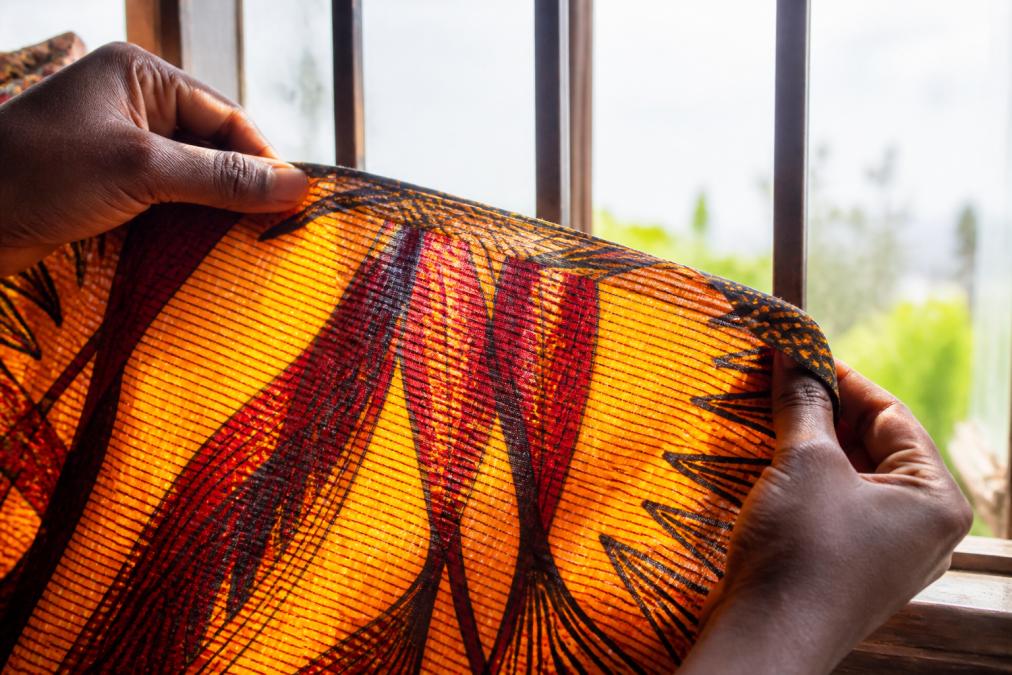
Hold the fabric up to a window and examine the reverse side. If the design appears faded, washed out, or missing entirely, you are likely holding a machine-printed imitation. True wax-resist dyeing pushes color through the weave, so the back of the cloth shows the same pattern with only slightly less intensity. The Smithsonian's textile conservation guidelines note that dye penetration is a primary indicator of quality in resist-dyed cloth.
Why Authenticity Matters for Your Wardrobe
Authenticity preserves the cultural heritage embedded in each design. Traditional motifs carry stories of ancestry, celebration, and identity; a machine-printed copy flattens that meaning into surface decoration.
Beyond meaning, authentic fabric performs better. True wax cloth uses high-quality cotton with proper weight, draping well and lasting for years, while imitations often use thin polyester that pills and fades quickly.
How to Spot Fake African Print Fabric: Visual Markers
Learning how to spot fake African print fabric starts with the pattern's registration and the presence of small imperfections. Authentic wax-resist dyeing produces tiny, irregular "crackle" lines where the wax broke during the dye bath.
Machine-printed fabric aims for perfect, uniform reproduction. If the pattern is flawless with zero variation, treat it with suspicion. Also check for the "crackle effect" on the reverse side. Authentic pieces show these fine lines on both surfaces. The Victoria and Albert Museum's guide to African textiles describes how these irregularities are inherent to hand production and prized by collectors.
Counterfeit fabric often misaligns colors, with edges bleeding outside their intended borders. Authentic dye creates crisp, saturated color boundaries, while machine printing often looks flat and slightly fuzzy.
The Selvage Test: What the Edge Tells You
The selvage, or the finished edge of the fabric roll, is a reliable roadmap to the textile's origin. Authentic East African fabrics typically carry a selvage marking identifying the mill, design name, and quality grade.
Look for a printed brand name running along the edge. Dutch wax prints from established mills like Vlisco feature their name clearly. Kitenge and Ankara produced in East Africa also carry mill markings. If the selvage is blank, or if it repeats the main pattern instead of showing a brand, the fabric may be a reproduction. The Fashion History Timeline from FIT confirms that selvage identification is a standard practice in textile authentication.
The edge also reveals construction quality. A tight, clean selvage indicates a well-maintained loom and careful finishing. Loose threads or a fraying edge point to rushed production.
Tactile Testing: Feel, Weight, and Dye Penetration
Most online guides stop at visual checks, but the fastest way to separate authentic wax-resist cloth from a machine-printed fake is to use your hands. This tactile field test is what collectors and conservators rely on when a selvage mark is missing.
Step 1: The Pinch-and-Release Test for Hand Feel
Take a corner of the fabric between your thumb and index finger and rub the layers together gently. Authentic wax-resist cotton has a distinctive “dry” hand feel, slightly crisp and papery, with a faint tooth from the wax residue that remains after dyeing. This is not a defect; it is the signature of real batik wax that has been boiled off and washed.
Machine-printed polyester or poly-cotton blends feel slick, slippery, or plasticky. If the fabric slides between your fingers with no resistance, treat it as a red flag. Counterfeiters often use thin, calendered cotton glazed to mimic wax cloth; rub the fabric against itself for five seconds, a glazed finish will soften and feel flimsy, while genuine wax cloth maintains its structure.
Step 2: The Weight and Drape Check
Authentic East African wax prints are made from mid-weight to heavy cotton, typically 100 to 150 grams per square meter. You cannot verify that number in a store, but you can calibrate your hand: hold a yard in your palm, it should feel substantial, like a sturdy canvas shirt, not a flimsy scarf. When draped over your arm, it should hold a slight stiffness and a crease if folded. Lightweight cotton or polyester imitations will float, cling, or feel insubstantial.
A related test is the “crush test.” Crumple a handful of fabric in your fist for ten seconds, then release. Authentic wax cloth shows sharp crease lines that hold their shape, because the wax-resist process stiffens the fibers. A fake will bounce back with few or no creases, revealing a synthetic component or lack of wax treatment.
Step 3: The Smell Test (Yes, Really)
Authentic wax-resist fabric that has been properly finished should smell like clean cotton, neutral or faintly like laundry. A faint, waxy, or chemical odor can indicate incomplete washing after wax removal, not necessarily a fake. Machine-printed polyester often has a sharp, sweet, or acrid plastic smell, especially when rubbed vigorously, if you smell plastic, you are almost certainly holding a synthetic imitation.
Step 4: The Nail Scratch Test for Dye Penetration
The most definitive tactile test is the scratch test. Take your fingernail and scratch firmly across the surface in an inconspicuous spot, such as a corner or seam allowance. On authentic wax-resist cloth, the dye has penetrated the entire fiber, so the scratch leaves only a faint, shallow mark. On machine-printed fabric, the color sits only on the surface, so the scratch will scrape away the print, revealing white or off-white cotton beneath. This is the single fastest way to confirm the pattern is not just a surface layer.
Step 5: The Water Drop Test
A final, low-risk test is the water drop test. Place a single drop of water on the fabric. Authentic wax-resist cotton is not waterproof, the wax is removed after dyeing, so the water should absorb within a few seconds, leaving a dark spot. If the water beads up for more than ten seconds, the fabric may have a synthetic coating or chemical finish used to imitate the wax look.
What These Tests Cannot Tell You
These tactile tests confirm the production method, but not the fabric’s origin or age, a high-quality modern reproduction made with genuine wax-resist dyeing will pass all of them. Combine the tactile check with the selvage test and the ethical sourcing checklist below.
Understanding Dutch Wax vs. Kitenge vs. Ankara
| Fabric Type | Production Method | Key Identifier | Best For |
|---|---|---|---|
| Dutch Wax | Wax-resist dyeing, often machine-assisted | Selvage brand, high colorfastness | Formal and statement pieces |
| Kitenge | Wax-resist, East African production | Bold patterns, crackle effect | Everyday wear and wraps |
| Ankara | Similar wax method, West African origin | Vibrant geometric prints | Dresses and headwraps |
Dutch wax is the original industrial version, developed as a machine interpretation of Indonesian batik. Kitenge is the East African adaptation, often produced locally with similar methods. Ankara refers to the West African style, though the terms are frequently used interchangeably.
The distinction matters for provenance and pattern design. Dutch wax prints often feature intricate motifs with high colorfastness; Kitenge tends toward bolder, larger patterns. Understanding these differences helps you identify authentic fabrics and choose the right cloth for your project.
Handmade East African Apparel for Women: Sourcing with Confidence
Once you can identify the fabric, sourcing handmade East African apparel for women becomes a matter of trust in the maker. The most reliable method is to purchase from sellers who work directly with artisans and can trace the supply chain from loom to finished garment.
Ask the seller about their production process. Do they name the specific weaving or dyeing cooperative? Can they describe how the fabric is finished? Vague answers about "imported African fabric" signal a lack of connection to the source.
When you shop with Prideful Pieces of Africa, you are buying pieces shaped by a single artisan, never a machine. The United Nations guidelines on ethical fashion supply chains emphasize that transparent sourcing is the foundation of sustainable fashion. Each garment supports a family in Kenya and preserves generations of tradition.
Ethical Sourcing Checklist Before You Buy
Authenticity is not just about the fabric, it is about the chain of hands that produced it. A genuine wax print can still be an unethical purchase if it was made in a factory with opaque labor practices. This checklist goes beyond the visual and tactile tests to help you verify the supply chain before you hand over your money.
The Five-Point Supply Chain Verification
1. Ask for the Mill or Cooperative Name, Not Just “Africa”
A seller connected to the source will name a specific mill (such as Vlisco, ABC Textiles, or Utexrwa) or a specific artisan cooperative in a particular town or region. Vague answers like “imported from Africa” or “from a local market” are a warning sign, if the seller cannot name the producer, they likely do not know who made the fabric or under what conditions.
2. Request the “Cutting Story” or Batch Number
In East African textile markets, authentic wax prints are often sold in batches that share a selvage code. Ask the seller for the batch number or design name printed on the selvage. A legitimate seller will be able to read it to you or send a photo; if they cannot, or seem confused by the question, they are likely selling second-hand or unbranded goods.
3. Verify the Fiber Content on the Label or Invoice
Authentic wax-resist fabric is almost always 100% cotton. Check the label, invoice, or product listing for fiber content. If it says “polyester blend” or “rayon,” it is not authentic wax cloth. If the seller does not list fiber content, ask directly, a transparent seller will know the answer; a seller who hedges or says “it’s just fabric” is not worth your trust.
4. Ask About the Dyeing and Finishing Process
Ask the seller: “Was this fabric made using a wax-resist method, or is it a machine print?” A knowledgeable seller will describe the process, mentioning wax application, dye baths, and washing. If they cannot, they are likely a reseller of unknown goods. For handmade or small-batch fabric, ask whether the dyeing was done by hand or in a mechanized mill; both can be authentic, but the answer affects the price and the story.
5. Request Evidence of Artisan Compensation
This is the question that most buyers skip because it feels intrusive. But ethical sourcing requires it. Ask the seller: “Can you tell me how the artisans are compensated for this piece?” A brand that works directly with cooperatives will have a clear answer, they may mention fair-trade certification, a fixed price per meter, or a profit-sharing model. A brand that cannot answer, or that deflects with marketing language about “empowerment,” is not being transparent. The Fair Trade Federation's member standards require members to provide evidence of their sourcing practices, so look for sellers who belong to such organizations.
The Red Flag Phrases to Watch For
Certain phrases should immediately lower your trust in a seller:
- “Authentic African print”, Often used to describe machine-printed fabric that mimics wax cloth. Authentic sellers usually name the specific fabric type (kitenge, ankara, Dutch wax).
- “Handmade in Africa”, Too broad. Handmade where? By whom? A specific location and maker name are better.
- “No two pieces are alike”, Can be true of authentic wax cloth, but also a marketing cliché used for cheap, irregular prints.
A Quick Reference Checklist for Your Phone
Copy this list into your notes app before you shop:
- What is the name of the mill or cooperative?
- What is the selvage batch number or design name?
- Is the fiber content 100% cotton?
- Can the seller describe the wax-resist dyeing process?
- How are the artisans compensated, and can the seller provide evidence?
- Does the seller have a return policy that covers fabric defects?
Why This Matters Beyond the Purchase
The premium you pay for authentic, ethically sourced fabric is not just for the material, it is for the knowledge that the person who dyed the cloth was paid fairly and worked in safe conditions. When you skip the ethical check, you risk funding the same opaque factories that produce counterfeit prints. The visual and tactile tests confirm the fabric is real; this checklist confirms the purchase is responsible.
Conclusion
Identifying authentic East African fabrics requires attention to dye penetration, selvage markings, and tactile feel, but the effort ensures your purchase honors the culture it represents. The market is full of machine-printed copies that mimic the look without the soul. By applying the field test in this guide, you protect yourself from counterfeits and support the artisans who keep these traditions alive.
Prideful Pieces of Africa connects you directly with those artisans, offering handcrafted apparel where no two pieces are alike. Each purchase supports fair wages and community needs like education and clean water. Shop the collection and wear a piece of history with confidence.
Frequently Asked Questions
What is the difference between Ankara fabric and Kente fabric?
Ankara, also called Dutch wax print, is machine-printed cotton with vibrant patterns on both sides, popular across East and West Africa. Kente is a hand-woven silk or cotton textile from Ghana, characterized by geometric strips sewn together. Ankara uses wax-resist dyeing techniques, while Kente is created on a loom. Both carry cultural significance but differ in production, texture, and regional origin.
How can you tell the difference between mass-produced prints and authentic artisan fabrics?
Check the selvage edge first. Authentic East African fabrics often have a printed brand name, mill, or country of origin along the selvage. Mass-produced fakes typically have plain or poorly finished edges. Then inspect the back: genuine wax prints show visible dye penetration on both sides, while fakes often have a white or faded back. Finally, feel the fabric; authentic cotton has a crisp, substantial texture.
What is the significance of hand-dyed versus machine-printed fabrics?
Hand-dyed fabrics, such as traditional batik, are made using wax-resist techniques where artisans apply wax by hand before dyeing. This creates unique crackle lines and imperfections that make each piece one-of-a-kind. Machine-printed fabrics replicate patterns uniformly but lack these distinctive marks. While both are valid, hand-dyed pieces carry deeper artisanal value and are often more expensive due to the labor involved.
How do I verify the ethical sourcing of East African textiles?
Look for transparency in the supply chain. Ask the seller who made the fabric and where it was produced. Reputable brands share details about artisan partnerships and wages. Check if the fabric was produced by a recognized mill like Vlisco or ABC Wax. For handmade items, confirm the artisan receives fair compensation and that practices support local communities. Brands like Prideful Pieces of Africa offer this information openly.
This article was written using GrandRanker