

East African Fashion vs. Western: Cost & Value
Table of Contents
- Is East African Fashion Expensive Compared to Western?
- Direct Price Comparison: East African vs. Western Apparel
- Handmade East African Apparel for Women: What Drives the Cost
- Cost of Sustainable Fashion vs. Fast Fashion
- The Real Value: Quality, Authenticity, and Impact
- Why East African Fashion Offers Better Long-Term Value
- Frequently Asked Questions
Last Updated: September 2, 2026
Is East African Fashion Expensive Compared to Western?
The answer isn't straightforward. East African fashion carries a different price structure than Western mass-produced clothing, but calling it "expensive" misses what you're actually paying for. When you buy a handcrafted piece from Prideful Pieces of Africa, you're investing in artisan labor, sustainable production, and direct community impact, not just fabric and thread. A dress from a fast-fashion retailer might cost less upfront, but a handmade East African piece often delivers better long-term value through durability, uniqueness, and the knowledge that your purchase supports families and education in the regions where it's made.
Understanding whether East African fashion is expensive requires looking beyond the price tag. The real comparison isn't East African versus Western fashion in absolute dollars, it's about what you get for those dollars and where your money actually goes. Below, we'll break down the direct costs, explore what drives pricing in handmade apparel, and show you why the value proposition shifts dramatically when you factor in quality, longevity, and impact.
Direct Price Comparison: East African vs. Western Apparel
Entry-level East African pieces typically range from $20 to $50, while comparable Western fast-fashion items fall into similar territory. The difference emerges at the mid-range and above, where handcrafted work commands premium pricing that reflects actual production costs rather than marketing markup.
Entry-Level Pieces
A basic handmade African print dress from Prideful Pieces of Africa starts at $32.00 for the African Print Patchwork Kaftan with matching headwrap. A comparable entry-level dress from Western retailers, say, a basic cotton shift dress from a department store chain, might cost $25 to $40 new, though you'll often find them discounted. The gap here is minimal, sometimes nonexistent.
But here's what most comparisons miss: the Western dress was made in a factory where a single worker might cut and sew dozens per day. The East African piece was handcrafted by one artisan, with no two pieces identical. The kaftan's rayon body and cotton patchwork accents mean it's designed to last through multiple seasons of wear, not one or two.
Entry-level pricing in East African fashion reflects the reality that even simple handmade work requires skilled labor. A machine can produce a basic garment in minutes; a person doing it by hand requires hours. When pricing is this close to mass-produced alternatives, you're actually getting a significant discount on the artisan's time.
Mid-Range and Statement Pieces
This is where the price gap widens noticeably. A mid-range handcrafted piece like the African Print Infinity Dress with Matching Clutch Bag Set from Prideful Pieces of Africa costs $60.00. That single price point includes a versatile multi-way dress with structured pleats, a coordinated hard-case clutch with metallic gold trim, and the guarantee that no two pieces are identical.
A comparable Western mid-range outfit, a structured dress plus a matching bag from a contemporary retailer, typically runs $80 to $150 combined, and that's before accounting for the fact that thousands of identical pieces exist. The Western option might come with better sizing consistency and faster shipping, but you're also buying into an ecosystem built on overproduction and inventory waste.
Statement pieces and custom-made East African apparel can command $100 to $300 or more, especially when they incorporate extensive beadwork, hand-dyeing, or complex tailoring. Western designer pieces at this price point are often mass-produced in limited quantities rather than truly unique, and they carry brand markup rather than artisan compensation.
| Garment Type | East African (Handmade) | Western (Mass-Produced) | Key Difference |
|---|---|---|---|
| Entry-level dress | $32-$50 | $25-$45 | Handmade vs. machine-made |
| Mid-range dress + accessory | $60-$80 | $80-$150 | Uniqueness included |
| Statement/custom piece | $150-$300+ | $200-$500+ | Artisan labor vs. brand markup |
Handmade East African Apparel for Women: What Drives the Cost
The pricing structure for handmade East African apparel reflects three primary cost drivers that Western fast fashion obscures: artisan labor, supply chain logistics, and the absence of economies of scale that come from mass production.
Artisan Labor and Fair Wages
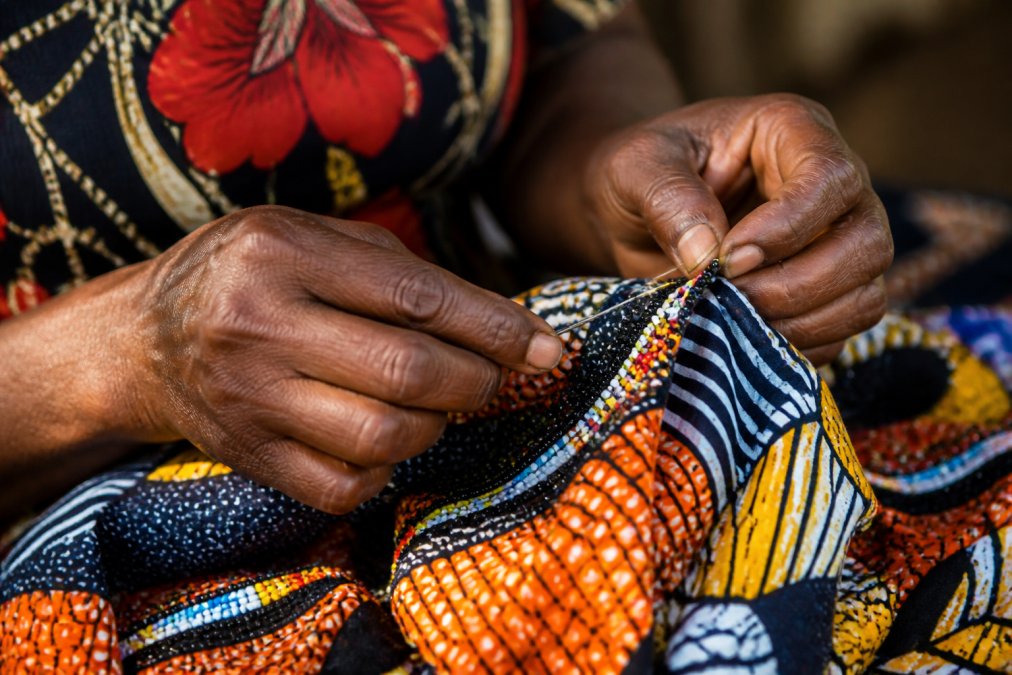
This is the largest cost component and the reason handmade pieces cost more than their machine-made equivalents. A single artisan creating a dress, piece of jewelry, or accessory invests 4 to 8 hours of skilled work. That's not assembly-line speed; it's precision craftsmanship where mistakes can't be fixed by restarting a production run.
Fair wages in East African textile and jewelry production typically range from $3 to $8 per hour, depending on skill level and region. For a piece requiring 6 hours of work, that's $18 to $48 in direct labor, before materials, overhead, or any profit margin. When you buy from Prideful Pieces of Africa, the artisans receive transparent compensation that supports their families, enables children to attend school, and provides access to clean water in their communities.
Western fast fashion achieves low prices partly through wage compression. Factory workers in mass-production settings often earn less per hour, but they're moving through pieces at such speed that the per-garment labor cost drops dramatically. A factory worker producing 50 garments per day at $2 per hour means $0.04 in labor per garment. An artisan producing one unique piece per day at fair wages means $20 to $40 in labor per garment. The math is straightforward: handmade work costs more because it's actually compensating the maker.
Supply Chain and Logistics
East African artisans typically work in small workshops or from home, not centralized factories. This creates supply chain complexity that Western manufacturers have optimized away. Materials must be sourced individually, sometimes from multiple suppliers. Finished pieces must be collected, quality-checked, and prepared for international shipping, all steps that add cost.
International shipping from East Africa to the United States adds $8 to $15 per item depending on weight and packaging. Customs clearance, import duties, and handling add another 5 to 10 percent. A $40 piece leaving Kenya might incur $12 to $18 in logistics costs by the time it reaches a U.S. customer. Western manufacturers ship from factories that already move millions of units annually, spreading logistics costs across enormous volumes.
Tariffs and regional trade bloc regulations also influence pricing. According to U.S. International Trade Commission data on apparel imports, garments imported from East African countries face varying duty rates depending on the product category and origin. These regulatory costs get passed to consumers, whereas Western domestic production avoids many of these barriers.
Cost of Sustainable Fashion vs. Fast Fashion
The real expense comparison isn't East African versus Western fashion, it's sustainable, made-to-order production versus the fast-fashion model built on overproduction and disposal.
Production Methods and Overhead
Fast fashion achieves low prices by betting on volume. A retailer produces 10,000 units of a design, knowing some will sell and some will become clearance inventory or end up in landfills. The per-unit cost is low, but the total waste is enormous. According to Environmental Protection Agency data on textile waste, Americans discard approximately 81 pounds of clothing per person annually.
Handmade East African production works differently. Artisans typically create pieces to order or in small batches, minimizing unsold inventory. There's no warehouse full of dresses that didn't sell. This made-to-order model eliminates the overhead that fast fashion builds into pricing, storage, markdowns, disposal costs, and instead passes savings directly to customers who actually want the piece.
The production methods themselves carry different environmental costs. Fast fashion relies on chemical dyes, synthetic fabrics, and high-speed machinery that consume significant water and energy. Handmade production often uses natural dyes, organic cotton, and recycled or upcycled materials. These sustainable methods sometimes cost more upfront but create pieces designed for longevity rather than one-season wear.
Longevity and Cost-Per-Wear
This is where the value proposition flips entirely. A $32 handmade kaftan from Prideful Pieces of Africa is designed to be worn for years, not months. The rayon and cotton construction resists pilling, the hand-stitching won't unravel, and the design doesn't follow trends that will feel dated in six months.
Cost-per-wear is the metric that reveals true value. Assume you wear a piece 50 times over two years:
- A $30 fast-fashion dress worn 10 times before disposal: $3 per wear
- A $32 handmade dress worn 50 times over two years: $0.64 per wear
The handmade piece becomes significantly cheaper with each wear. By the time you've worn it 100 times, which is realistic for a well-made garment, the cost-per-wear drops to $0.32, making it one of the most economical clothing purchases you can make.
Fast fashion's low upfront cost masks its true expense. You're not actually saving money by buying cheaper pieces more frequently; you're paying more per wear while generating textile waste. Handmade East African fashion inverts this equation, asking for a higher initial investment but delivering lower long-term costs and zero guilt about disposal.
The Real Value: Quality, Authenticity, and Impact
Beyond price, East African fashion delivers value that Western mass production simply cannot replicate: craftsmanship, cultural authenticity, and measurable community impact.
Craftsmanship and Uniqueness
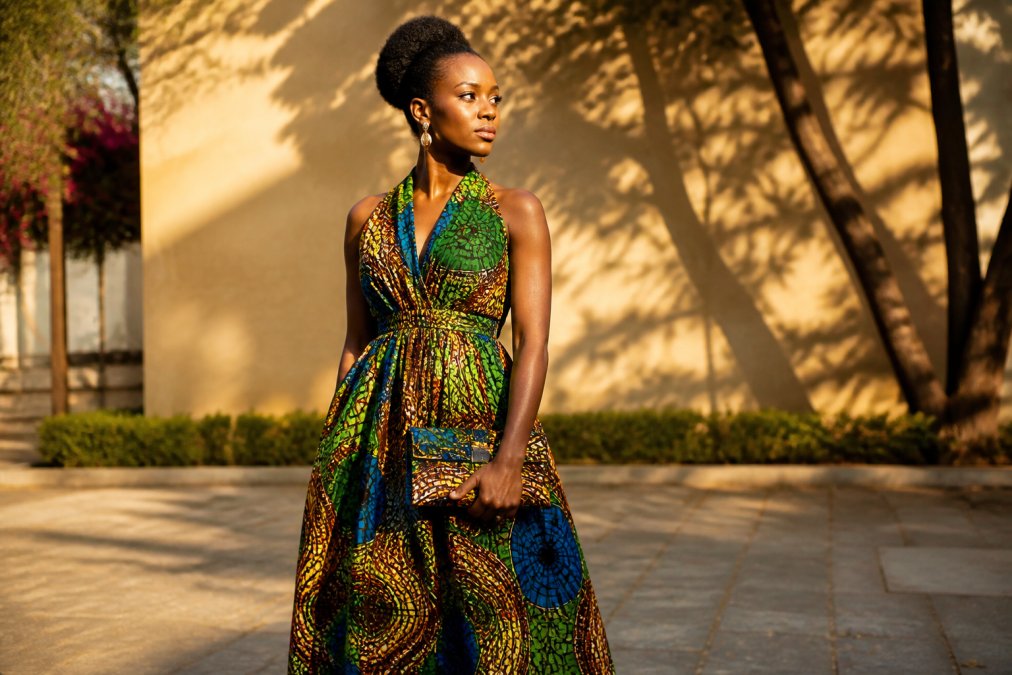
Every piece from Prideful Pieces of Africa is shaped by a single artisan, never a machine. This means no two items are exactly alike. The beadwork on one necklace will vary slightly from another. The hand-stitching on a dress creates subtle variations that add character rather than detract from it.
This uniqueness has real value that price comparisons often ignore. You're not buying one of 50,000 identical dresses; you're buying a wearable piece of art. When you wear a handmade piece, you're expressing something that mass-produced fashion cannot: individuality and intention.
Craftsmanship also means durability. A hand-stitched seam won't unravel like a machine-stitched garment that's been worn hard. Beadwork applied by hand won't shed like beads attached by glue. The African Print Patchwork Kaftan Dress with Matching Headwrap at $32.00 will outlast multiple $20 fast-fashion alternatives, making the upfront cost irrelevant after the first year of ownership.
Community Support and Transparency
When you buy from Prideful Pieces of Africa, your purchase directly supports families in Kenya and across East Africa. Fair wages mean artisans can send their children to school. Regenerative practices mean communities have access to clean water. This isn't abstract corporate social responsibility; it's a direct, transparent exchange.
Many Western brands claim ethical production, but the supply chains remain opaque. You don't know which factory made your dress, what the workers were paid, or what happened to the materials. With handmade East African apparel, the connection is direct. You know an artisan made your piece. You know your money went to their family. You know the impact is real.
This transparency itself has value. As documented in Harvard Business Review research on consumer preferences for ethical sourcing, consumers increasingly prioritize knowing where products come from and how they're made. East African handmade fashion delivers that transparency inherently, whereas Western brands often struggle to prove it.
Why East African Fashion Offers Better Long-Term Value
The comparison between East African and Western fashion ultimately isn't about whether one is "expensive", it's about what you're buying and what you're willing to pay for it.
East African handmade apparel costs more upfront because it's made by skilled artisans earning fair wages, shipped through complex supply chains, and produced in small quantities without the economies of scale that fast fashion exploits. Western mass-produced fashion costs less upfront because it externalizes costs: paying workers minimal wages, creating inventory waste, and assuming garments will be discarded after one or two seasons.
When you factor in cost-per-wear, longevity, uniqueness, and impact, East African fashion becomes the economical choice. A $60 dress worn 100 times costs $0.60 per wear. A $25 fast-fashion dress worn 10 times costs $2.50 per wear. The handmade piece is four times cheaper over its lifetime, and you haven't even accounted for the environmental cost of textile waste or the human cost of factory wages.
Prideful Pieces of Africa's collection exemplifies this value proposition. The African Trim Black Long Smocked Mermaid/Fish Tail Dress at $44.00 comes with a matching headwrap and is designed for special occasions where you'll wear it repeatedly over years. The Women's African Print Dress with Ankara Wax and Lantern Sleeves at $40.99 combines quality construction with timeless design. The YND Men's 2 Piece Set African Dashiki Shirt and Pants at $19.40 delivers exceptional value for traditional wear that won't go out of style.
These aren't expensive purchases if you're thinking in terms of cost-per-wear and long-term value. They're investments in pieces that will outlast multiple fast-fashion alternatives while supporting artisans and communities directly.
The question "Is East African fashion expensive?" misframes the real decision. The better question is: What are you willing to pay for quality, uniqueness, and impact? If you value durability, cultural authenticity, and knowing exactly where your money goes, East African handmade fashion delivers exceptional value. If you prioritize absolute lowest upfront cost and don't care about longevity or impact, fast fashion will always win on price.
For most conscious consumers, the math becomes clear once you look beyond the initial price tag. Shop Prideful Pieces of Africa and discover pieces designed to become heirlooms, not landfill.
Frequently Asked Questions
Why is handmade East African apparel often priced higher than mass-produced Western clothing?
Handmade East African apparel reflects fair wages paid directly to skilled artisans, sustainable production methods, and smaller-scale manufacturing. Western fast fashion relies on mass production and automated processes that lower per-unit costs. East African pieces are individually crafted, no two are identical, which requires more labor and expertise. Additionally, the supply chain costs and ethical sourcing practices add to the final price, but these costs directly support artisan communities rather than corporate profit margins.
Does the cost of East African fashion reflect fair wages and ethical production?
Yes. When you purchase from transparent artisan collectives like Prideful Pieces of Africa, your money directly supports families through fair wages, education, and clean water initiatives. Ethical East African fashion brands disclose their production practices and artisan partnerships, unlike fast fashion retailers that obscure their supply chains. The higher cost is intentional: it ensures artisans earn livable wages and work in safe conditions, making the price a reflection of genuine ethical practices rather than marketing.
How does the durability of artisan-made East African pieces compare to Western fast fashion?
Artisan-made East African pieces significantly outlast fast fashion items. Handcrafted garments use higher-quality fabrics and construction techniques designed for longevity. A $44 smocked dress from Prideful Pieces of Africa, worn regularly and properly cared for, lasts years. Fast fashion items often deteriorate within months. When you calculate cost-per-wear, dividing the purchase price by the number of times worn, East African fashion becomes more economical over time. A piece worn 100 times at $44 costs $0.44 per wear; a $15 fast fashion item worn 20 times costs $0.75 per wear.
Is it more cost-effective to buy locally sourced East African fashion or imported Western brands?
Locally sourced East African fashion is more cost-effective long-term, though the upfront price may be higher. A $32 kaftan dress with headwrap from Prideful Pieces of Africa offers versatility, durability, and cultural authenticity that justifies the investment. Western imported brands often carry hidden costs: shipping, tariffs, and markup. More importantly, East African pieces retain value through durability and timelessness, while fast fashion depreciates rapidly. For someone seeking meaningful, lasting pieces that support communities, East African fashion delivers superior value despite higher initial prices.
This article was written using GrandRanker