

Why Regenerative Fashion Practices Matter in 2026
Table of Contents
- What Regenerative Fashion Actually Means
- Sustainable vs. Regenerative Fashion: The Key Differences
- Environmental Impact: Soil Health, Carbon Sequestration, and Biodiversity
- Benefits of Regenerative Fashion for Artisans and Communities
- Traceability and Farm-to-Closet Transparency
- How to Support Regenerative Fashion Brands
- Identifying True Regenerative Fashion vs. Greenwashing
- The Future of Regenerative Fashion
Last Updated: August 30, 2026
What Regenerative Fashion Actually Means
Regenerative fashion practices represent a fundamental shift from simply "doing less harm" to actively restoring ecosystems and communities. Unlike sustainable fashion, which aims to minimize damage, regenerative fashion seeks to leave environments and people better than they were found.
Regenerative fashion focuses on fiber sourcing methods that rebuild soil health, restore biodiversity, and sequester carbon while creating fair economic opportunities for artisans and farmers. Prideful Pieces of Africa embodies this philosophy through handcrafted pieces created using regenerative practices, each reflecting cultural heritage and commitment to restoring the ecosystems and communities where artisans work.
What separates regenerative approaches from conventional production is intentionality: selecting materials grown using regenerative agriculture, partnering directly with artisans who receive fair wages, and maintaining transparency so customers understand exactly where their money goes.
Sustainable vs. Regenerative Fashion: The Key Differences
Many people use "sustainable" and "regenerative" interchangeably, but they describe fundamentally different approaches. Sustainable fashion focuses on reducing harm: using less water, fewer chemicals, lower carbon emissions. Regenerative fashion practices aim to restore, not just using organic cotton, but partnering with farmers practicing regenerative agriculture who actively rebuild soil health, increase biodiversity, and sequester atmospheric carbon.
A sustainable factory might reduce water usage by 30% (the CDC). A regenerative supply chain might partner with farms that capture rainwater to replenish aquifers, creating net-positive water impact. Sustainable thinking asks, "How can we do this with fewer resources?" Regenerative thinking asks, "How can this process restore what was lost?"
| Aspect | Sustainable Fashion | Regenerative Fashion |
|---|---|---|
| Primary Goal | Reduce harm and waste | Restore ecosystems and communities |
| Soil Impact | Minimize degradation | Actively rebuild soil health |
| Biodiversity | Maintain current levels | Increase species diversity |
| Carbon Approach | Lower emissions | Sequester atmospheric carbon |
| Farmer Economics | Fair wages | Fair wages + profit from restoration |
| Supply Chain | Transparent sourcing | Full traceability and relationships |
| Success Metric | Less negative impact | Net-positive environmental/social outcome |
Regenerative fashion practices often cost more upfront because they're investing in restoration, not just reduction. Prideful Pieces of Africa reflects this commitment: each handcrafted piece supports fair wages and community needs like education and clean water, creating economic regeneration alongside environmental restoration.
Environmental Impact: Soil Health, Carbon Sequestration, and Biodiversity
The environmental case for regenerative fashion practices centers on three interconnected systems: soil health, carbon sequestration, and biodiversity restoration.
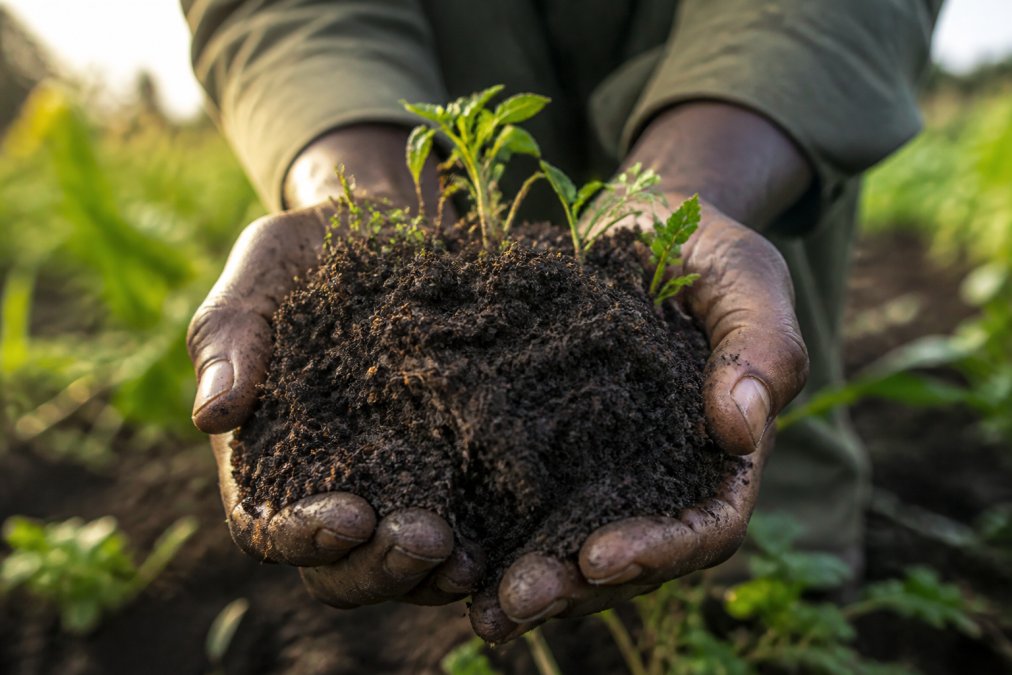
Conventional cotton agriculture depletes soil at an alarming rate (usda.gov). Regenerative agriculture reverses this pattern through crop rotation, minimized tillage, and maintaining living root systems year-round. Healthy soil holds more water, requires fewer chemical inputs, and supports stronger plant growth. For cotton farmers, this means lower input costs, higher yields, and land that becomes more productive over time.
Carbon sequestration happens as soil health improves, degraded soils release stored carbon into the atmosphere, while regenerative practices capture and store it in the earth. A single hectare of regeneratively managed land can sequester several tons of carbon annually (peer-reviewed research). Biodiversity restoration follows naturally: healthy soils support diverse microbial communities, which support diverse plant and animal populations.
How Regenerative Agriculture Restores Ecosystems
Regenerative agriculture combines traditional insights with current ecological understanding through crop rotation, cover cropping, minimized tillage, and integrated livestock management. Each practice addresses a specific ecological function, creating a self-reinforcing system where better soil supports more diverse crops, diverse crops support more diverse wildlife, and living root systems continuously feed soil microbes.
For artisans and communities, this means materials come from farms that are economically stable and ecologically restorative, creating long-term viability for farming communities and stable employment for artisans in the supply chain.
Carbon Sequestration and Climate Mitigation
Carbon sequestration in regenerative fashion practices works through soil carbon storage and reduced production emissions. Regenerative practices rebuild soil organic content by increasing plant biomass, reducing tillage, and maintaining continuous living root systems.
Beyond soil carbon, regenerative supply chains typically involve lower transportation emissions through shorter supply chains with direct artisan partnerships, reduced chemical processing, and often renewable energy use in manufacturing.
Benefits of Regenerative Fashion for Artisans and Communities
Fair wages are the baseline for regenerative fashion practices. Regenerative brands pay artisans what their work is actually worth, compensation that reflects skill, time, and cultural value. When farmers receive premium prices for regenerative cotton and compensation for practices that improve soil health, they can invest in their operations and communities. Schools get funded, water systems get built, healthcare becomes accessible.
Prideful Pieces of Africa demonstrates this model: each handcrafted piece supports a family in Kenya, contributes to a child's school day, and provides a village with clean water. Regenerative practices also preserve traditional knowledge and cultural identity, keeping cultural heritage alive rather than erasing it through mass production.
Traceability and Farm-to-Closet Transparency
Traceability separates genuine regenerative fashion practices from greenwashing. True regenerative brands can show you exactly where your piece came from: which farm grew the fiber, which artisan crafted it, and what practices were used at each stage.
Farm-to-closet traceability typically involves fiber origin documentation, regenerative certification from recognized organizations, artisan identification and compensation records, and supply chain mapping. Blockchain technology increasingly supports this transparency, but the foundation is relational, regenerative brands maintain direct relationships with farmers and artisans and understand their specific practices.
When you purchase from a brand practicing regenerative fashion practices with full transparency, you're participating in a documented chain of restoration: soil health improvement, fair compensation, community development, and cultural preservation.
How to Support Regenerative Fashion Brands
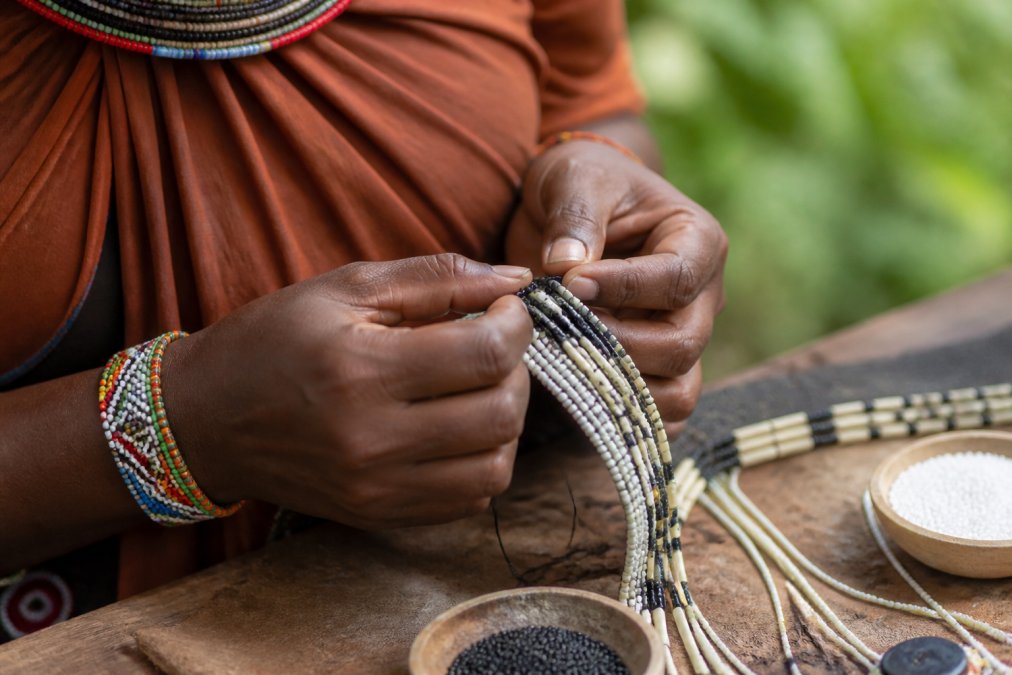
Start by researching the brand's supply chain. Can they name specific farmers or cooperatives? Do they document regenerative practices with certification? Brands genuinely committed to regenerative practices are transparent about these details.
Look for traceability markers and ask about compensation and community impact. What percentage of your purchase price goes directly to artisans? What community benefits does the brand fund? Consider the price point realistically, regenerative fashion practices cost more because they involve fair compensation and actual restoration work.
Support artisan-direct brands when possible. When you buy from a brand like Prideful Pieces of Africa that works directly with East African artisans, you eliminate middlemen and ensure maximum benefit reaches the people doing the work. Buy less, but buy better, intentional purchases of high-quality pieces you'll wear for years align with regenerative philosophy.
Identifying True Regenerative Fashion vs. Greenwashing
Red flags for greenwashing include vague claims without specifics, lack of traceability, and certifications from unknown organizations. Greenwashing often relies on incomplete truths, a brand might use organic cotton but source it from unsustainable farms, or claim fair wages without documenting actual compensation.
Genuine regenerative fashion practices involve specific, measurable commitments: regenerative agriculture certification from recognized bodies, direct artisan partnerships with documented compensation, supply chain transparency extending from fiber source to finished product, and community impact reports showing verifiable outcomes.
Ask brands hard questions and request documentation. Brands practicing genuine regenerative fashion practices welcome scrutiny because their practices withstand it.
The Future of Regenerative Fashion
The trajectory of regenerative fashion practices is accelerating. Technological advancement will deepen regenerative practices through better monitoring systems, blockchain transparency, and DNA testing for fiber verification. Consumer demand will drive scale as more people understand the difference between sustainable and regenerative.
Indigenous wisdom will become increasingly central as fashion recognizes that regenerative practices aren't new inventions but returns to proven methods. Regenerative fashion practices will likely become regulatory baseline rather than premium option as governments recognize climate and ecosystem benefits.
For artisans and communities, this shift means growing economic opportunity. As regenerative practices scale, demand for skilled handcraftsmanship increases and cultural knowledge becomes increasingly valuable. The most important shift is philosophical: fashion is beginning to recognize that regeneration isn't a cost, it's an investment that creates more resilient supply chains, stable communities, and healthier ecosystems.
At Prideful Pieces of Africa, we believe regenerative fashion practices represent more than a trend, they're a return to how fashion should work. Every handcrafted piece in our collection embodies this commitment: materials sourced through regenerative agriculture, artisans compensated fairly for their skill, and communities strengthened through transparent practices. When you choose regenerative fashion, you're not just buying a beautiful, meaningful item. You're participating in restoration. Shop our collection and discover how your choice supports families, funds education, and preserves generations of cultural heritage.
Frequently Asked Questions
Q: What is the difference between sustainable and regenerative fashion?
A: Sustainable fashion aims to reduce harm, using less water, fewer chemicals, and lower carbon emissions. Regenerative fashion goes further by actively restoring ecosystems. It rebuilds soil health, increases biodiversity, and removes carbon from the atmosphere. While sustainable practices stop the damage, regenerative practices heal the land and communities where fibers are grown. Both matter, but regenerative fashion creates a net-positive impact.
Q: How do regenerative practices benefit farmers and artisans economically?
A: Regenerative agriculture improves soil health, which increases crop yields and reduces input costs for farmers over time. Fair-wage models in regenerative fashion ensure artisans earn livable income, not poverty wages. Transparent supply chains mean more money reaches producers directly. When you buy from brands like Prideful Pieces of Africa, your purchase supports families, funds education, and provides access to clean water, creating economic stability that conventional fast fashion never offers.
Q: How can I verify that a fashion brand is truly regenerative and not greenwashing?
A: Look for specific evidence: traceability from fiber to finished piece, third-party certifications, transparent pricing breakdowns showing where your money goes, and direct artisan partnerships. Ask for supply chain documentation and impact reports. Brands using indigenous practices and working directly with farming communities (rather than through middlemen) are more credible. Be skeptical of vague claims like 'eco-friendly' without proof. Prideful Pieces of Africa provides transparency about fair wages and regenerative practices, ask prospective brands for the same accountability.
Q: Can regenerative fashion actually help combat climate change?
A: Yes. Regenerative agriculture sequesters atmospheric carbon in soil, reducing greenhouse gases. Organic farming avoids synthetic fertilizers and pesticides, which are carbon-intensive to produce. Handcrafted pieces eliminate industrial manufacturing emissions. When scaled across the textile industry, regenerative practices can significantly lower the fashion sector's carbon footprint. While individual purchases matter, systemic adoption of regenerative standards creates measurable climate impact.
This article was written using GrandRanker