

Ethical African Fashion vs Fast Fashion: A Comparison
Table of Contents
- Ethical African Fashion vs Fast Fashion: Key Differences at a Glance
- Impact of Fast Fashion on the Environment
- How Ethical African Fashion Stands Apart
- How to Identify Ethical Clothing Brands
- Benefits of Slow Fashion
- Cost-Per-Wear: Why Ethical Pieces Deliver Real Value
- Cultural Appreciation vs Appropriation in African Fashion
- Conclusion
Last Updated: August 27, 2026
Ethical African Fashion vs Fast Fashion: Key Differences at a Glance
When you buy a mass-produced garment from a fast fashion retailer, the artisan who made it remains invisible. When you choose ethical African fashion, you're buying transparency, longevity, and a direct connection to the person whose hands shaped every detail.
At Prideful Pieces of Africa, we work directly with skilled artisans across East Africa who create handcrafted pieces that tell stories of heritage and tradition. This guide explores the fundamental differences between ethical African fashion and fast fashion, and why the comparison matters for your closet and your values.
Fast fashion prioritizes trend cycles and disposability. Ethical African fashion prioritizes artisanal craftsmanship, fair compensation, and garments built to last.
| Aspect | Fast Fashion | Ethical African Fashion |
|---|---|---|
| Production Model | Mass manufacturing, machines | Handcrafted by individual artisans |
| Garment Lifespan | 5-10 wears before disposal | Years of wear with proper care |
| Supply Chain | Hidden, complex, opaque | Transparent, traceable to maker |
| Worker Compensation | Minimum wage, poor conditions | Fair wages, community benefits |
| Environmental Impact | High waste, chemical pollution | Minimal waste, natural dyes often used |
| Design Approach | Trend-driven, seasonal | Heritage-based, timeless |
| Cultural Authenticity | Appropriative, surface-level | Rooted in genuine tradition |
Impact of Fast Fashion on the Environment
Fast fashion operates on a linear model: extract, produce, consume, discard. Textile production consumes enormous quantities of water, synthetic materials shed microplastics into waterways, and discarded garments persist in landfills for decades.
A typical fast fashion retailer releases new collections every few weeks, pushing consumers toward constant purchasing. The average consumer discards clothing after just a handful of wears, generating textile waste at unprecedented scale (the EPA). Chemical dyes contaminate water sources, while polyester and synthetic blends take centuries to decompose (peer-reviewed research).
The carbon footprint compounds across the supply chain: raw material extraction, manufacturing, transportation, packaging, and disposal all contribute greenhouse gas emissions. When garments are worn only briefly before disposal, the environmental cost per wear becomes staggering.
Ethical African fashion takes a fundamentally different approach. Handcrafted pieces are designed for longevity. Natural dyes reduce chemical pollution. Smaller production scales mean less waste. Because these garments are built to last years rather than weeks, the environmental cost per wear drops dramatically.
How Ethical African Fashion Stands Apart
Ethical African fashion represents a rejection of the disposable model. It centers the artisan, celebrates cultural heritage, and builds garments meant to become heirlooms rather than trash.
Artisanal Craftsmanship and Longevity
When an artisan shapes each bead, weaves each pattern, or stitches each seam by hand, they embed quality into the work. No two pieces are identical because no machine is involved. Each carries the unique fingerprint of its maker.
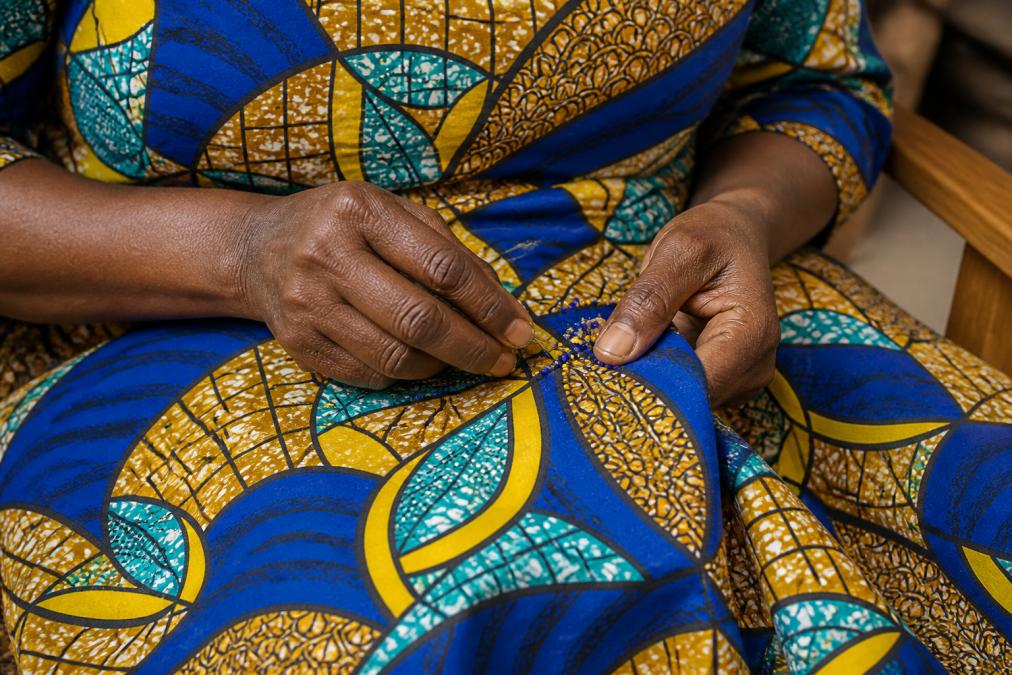
This craftsmanship directly translates to durability. Handmade garments use reinforced seams, quality materials, and construction techniques refined over generations. The Women's African Print Dress with Lantern Sleeves from Prideful Pieces of Africa, for example, is constructed from 100% polyester wax fabric with reinforced stitching designed to maintain its integrity through repeated wear and hand washing.
Longevity is the antidote to disposability. When you own a piece for five years instead of five months, the environmental and social cost per wear becomes a fraction of what fast fashion demands. Heritage techniques embedded in these garments mean they often improve with age, colors deepen, fabrics soften, patterns become more familiar to the eye.
The artisan's reputation depends on quality. Unlike a factory worker producing thousands of identical items, a craftsperson building handmade pieces stakes their name on every work. This accountability creates incentive for excellence that no assembly line can match.
Fair Wages and Transparent Supply Chains
Fast fashion's low prices depend on low wages. Workers in overseas factories often earn less than a living wage and work long hours in unsafe conditions (ilo.org). The supply chain remains deliberately opaque.
Ethical African fashion inverts this model. Transparent supply chains mean you can trace your purchase directly to the artisan who created it. Fair wages mean artisans earn compensation that reflects the skill and time invested in their work. At Prideful Pieces of Africa, every purchase directly supports families through fair compensation, education access for children, and community infrastructure like clean water systems.
This transparency addresses a real concern: how do you verify that "fair trade" claims are genuine? With ethical African fashion brands that prioritize direct artisan relationships, verification becomes possible. You're not relying on third-party certifications alone; you're buying from businesses built around transparent relationships.
When artisans earn fair wages, their families gain access to education, healthcare, and economic stability. Communities benefit from infrastructure investment. This ripple effect transforms purchasing power into genuine social impact.
:::pro-tip Ask ethical brands for specific details about artisan compensation and community impact. Legitimate brands welcome this scrutiny because transparency is their competitive advantage. :::
How to Identify Ethical Clothing Brands
Not every brand claiming "ethical" or "handmade" delivers on that promise. Here's how to distinguish genuine ethical brands from those merely adopting the aesthetic.
Check for specific artisan information. Legitimate ethical brands name their artisans or provide detailed information about the communities they work with. If a brand vaguely references "artisans in Africa" without specifics, that's a red flag.
Examine supply chain transparency. Can you trace your purchase to a specific maker? Do they explain their sourcing, production, and quality control processes? Transparent brands publish this information openly.
Verify fair wage claims. Ask how much artisans earn and how that compares to living wages in their region. Legitimate brands provide specific wage information and explain their pricing structure.
Look for production limitations. Ethical brands often produce in limited quantities because handcrafted work takes time. If a brand offers unlimited stock of "handmade" items at fast fashion prices, something doesn't add up.
Review return and quality policies. Brands confident in their craftsmanship stand behind their work. Clear return policies and quality guarantees indicate the brand trusts its products to last.
Check for cultural authenticity. Do the designs reflect genuine cultural heritage, or do they appropriate aesthetic elements without understanding or respect? Authentic brands often employ artisans from the culture they're representing.
The Kente Nyama African Ankara Prints Wax Fabric available through Prideful Pieces of Africa exemplifies transparency in sourcing. The fabric specifications are detailed, the production method is explained, and the cultural significance of the pattern is respected.
Benefits of Slow Fashion
Slow fashion prioritizes quality, sustainability, cultural value, and human dignity over trend cycles and profit margins. The benefits extend across environmental, economic, and personal dimensions.
Environmental benefits are immediate. Fewer garments produced means less water consumption, less chemical pollution, less waste. Extended garment lifespan means the environmental cost per wear drops exponentially.
Economic benefits flow to artisans and communities. Fair wages enable economic stability. Predictable income allows families to invest in education, healthcare, and housing. Communities benefit from infrastructure investment.
Personal benefits accumulate over time. Slow fashion pieces become wardrobe anchors. You develop deeper relationships with your clothing because you understand its origins and care for its longevity. This shift from quantity to quality often reduces overall spending while increasing satisfaction.
Cultural preservation becomes an active choice. By supporting ethical African fashion, you participate in preserving heritage techniques and cultural traditions. Artisans continue practicing skills passed down through generations because demand exists for their work.
Authenticity replaces trend anxiety. Slow fashion pieces aren't designed to become obsolete next season. They're built on timeless principles rooted in cultural tradition.
Cost-Per-Wear: Why Ethical Pieces Deliver Real Value
The sticker price of ethical African fashion often exceeds fast fashion alternatives. A handcrafted dress from Prideful Pieces of Africa costs $37.99 to $40.99. A fast fashion dress might cost $20. The initial price difference seems significant until you calculate cost-per-wear.
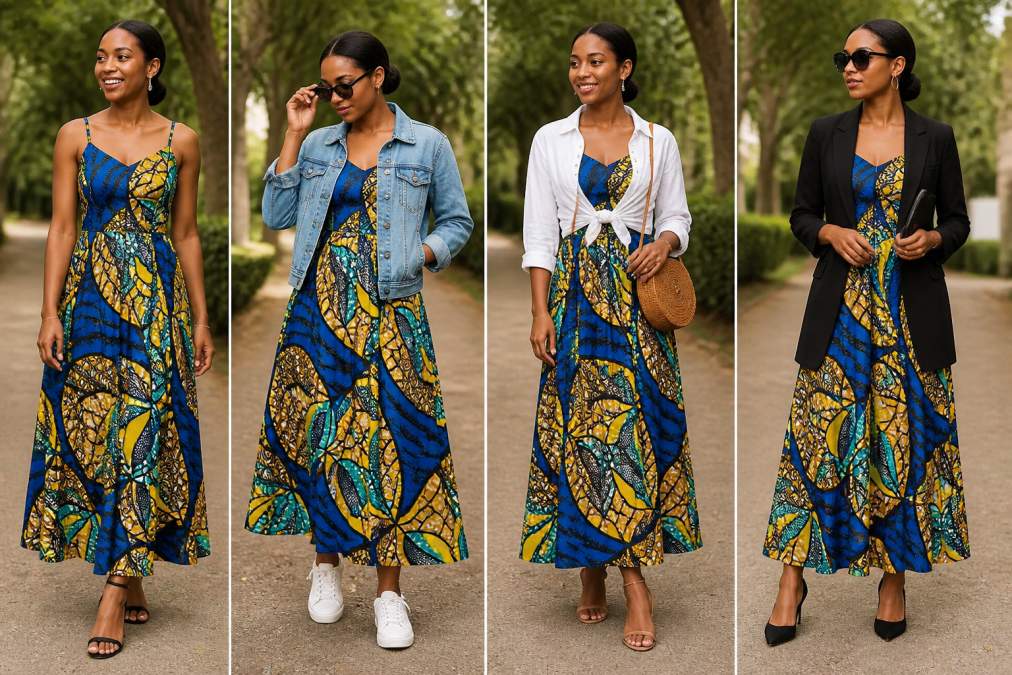
Cost-per-wear is simple: divide the garment's price by the number of times you'll wear it. A $40 dress worn 200 times over five years costs $0.20 per wear. A $20 fast fashion dress worn 10 times before disposal costs $2.00 per wear.
The Women's African Print Dress with Lantern Sleeves, made from quality wax fabric with careful stitching, can easily sustain 150+ wears with proper care. That brings the cost-per-wear down dramatically compared to fast fashion's disposable model.
Ethical pieces also tend to appreciate in value as personal items. A handcrafted piece with cultural significance often becomes more meaningful over time. Customers of Prideful Pieces of Africa frequently report that their pieces become treasured heirlooms passed to children. That sentimental value further improves the cost-per-wear calculation.
When you spend more upfront on a quality piece, you're incentivized to care for it properly. You'll hand-wash instead of machine-wash, store it carefully, repair minor damage rather than discard it. This behavioral shift extends garment life further, improving the value proposition.
Cultural Appreciation vs Appropriation in African Fashion
This distinction matters deeply, especially for those outside African cultures considering ethical African fashion. Appreciation honors tradition and supports artisans. Appropriation extracts aesthetic elements without understanding, respect, or economic benefit.
Appropriation happens when non-African brands copy African designs, profit from them, and offer no support to the communities that created those traditions. It happens when cultural symbols are stripped of meaning and reduced to trendy patterns.
Appreciation looks different. It means learning the cultural significance of what you're wearing. It means buying directly from artisans and communities, ensuring your money supports the people whose traditions you're celebrating. It means understanding that a particular pattern, textile technique, or design carries history and meaning beyond its visual appeal.
When you purchase from Prideful Pieces of Africa, you're engaging in appreciation. The artisans are East African. The techniques are authentic, rooted in generations of tradition. Your purchase directly supports the communities maintaining these practices.
For those not of African descent, wearing ethical African fashion is absolutely appropriate when done with awareness and respect. Ask questions about what you're wearing. Understand its origins. Support the artisans creating it. This transforms the act of wearing into genuine cultural appreciation.
Conclusion
The comparison between ethical African fashion and fast fashion reveals two fundamentally incompatible approaches to clothing. One prioritizes speed, volume, and disposability. The other prioritizes craftsmanship, longevity, and human dignity.
Fast fashion's environmental cost compounds with each discarded garment. Ethical African fashion's environmental benefit compounds with each year a piece is worn. Fast fashion's supply chains obscure exploitation. Ethical African fashion's transparent relationships ensure fair compensation reaches artisans directly.
The cost-per-wear analysis shows that ethical pieces deliver better financial value over their lifespan. The cultural authenticity of handcrafted African fashion offers something mass production can never deliver: genuine connection to heritage and tradition.
When you're ready to make the shift toward ethical fashion, start with pieces that resonate with your personal style and values. Prideful Pieces of Africa offers handcrafted dresses, textiles, and accessories designed to become wardrobe staples. The Women's African Print Dress with Lantern Sleeves ($40.99) and the Kente Nyama African Ankara Prints Wax Fabric ($12.99) are perfect entry points, quality pieces that support East African artisans directly while bringing authentic cultural heritage into your wardrobe. Shop now and wear pieces that carry meaning.
Frequently Asked Questions
What defines ethical African fashion compared to fast fashion?
Ethical African fashion prioritizes handcrafted production, fair wages for artisans, and transparent supply chains where you can trace exactly where and how your piece was made. Fast fashion relies on mass production, rapid turnover, and often unclear labor practices. Ethical African fashion celebrates artisanal craftsmanship and cultural heritage, while fast fashion prioritizes speed and low prices over quality and worker welfare.
How can I identify truly ethical clothing brands?
Look for brands that openly share their supply chain information, name their artisans or production communities, and explain their pricing structure. Verify whether they offer fair wages, provide detailed care instructions (suggesting garments are meant to last), and support specific community initiatives like education or clean water projects. Authentic ethical brands often feature individual artisan stories and avoid vague claims about 'fair trade' without certification or proof.
What is the impact of fast fashion on the environment?
Fast fashion drives overproduction and textile waste, consuming massive amounts of water and generating carbon emissions during manufacturing and shipping. The disposable culture it promotes means garments are worn fewer times before disposal, increasing landfill burden. Synthetic materials used in fast fashion take decades to decompose. In contrast, ethical African fashion emphasizes garment longevity and sustainable practices, reducing the environmental footprint per wear.
Is it cultural appropriation to wear African fashion if I'm not from Africa?
Wearing African fashion is cultural appreciation when you purchase from authentic African artisans, understand the cultural significance of what you're wearing, and support the communities behind the craft. The key difference is intention and where your money goes. Buying handcrafted pieces directly from artisans or brands like Prideful Pieces of Africa that prioritize fair wages and community support is appreciation. Buying mass-produced 'African-inspired' designs from fast fashion retailers without supporting actual African creators is appropriation.
Why does ethical African fashion cost more than fast fashion?
Ethical African fashion costs more because artisans are paid fair wages, materials are sourced responsibly, and production is slower and more careful. Each piece is handmade, meaning no two items are identical. Fast fashion appears cheaper because it cuts corners on labor, uses lower-quality materials, and relies on volume sales. When you calculate cost-per-wear over years of use, ethical pieces often deliver better value since they're designed to last, whereas fast fashion garments deteriorate quickly.
This article was written using GrandRanker