

Social Impact of Fair Trade Gold Mining: 2026 Guide
Table of Contents
- What Fair Trade Gold Certification Actually Changes
- Benefits of Fairmined Gold for Mining Communities
- Ethical Gold Sourcing Practices and Supply Chain Transparency
- The Environmental and Social Trade-Offs Miners Face
- How Consumers Can Verify Ethical Gold Claims
- Long-Term Impact: What Longitudinal Studies Reveal
- Conclusion: Wearing the Change You Want to See
- Frequently Asked Questions
Last Updated: September 18, 2026
What Fair Trade Gold Certification Actually Changes
Fair trade gold is certified gold that guarantees miners receive a fair wage, work in safe conditions, and earn a community premium reinvested into local development projects. The social impact of fair trade gold mining starts with one structural shift: miners gain bargaining power they never had in conventional supply chains. This guide examines what that shift means in practice, where it falls short, and how buyers can tell the difference between real certification and marketing language.
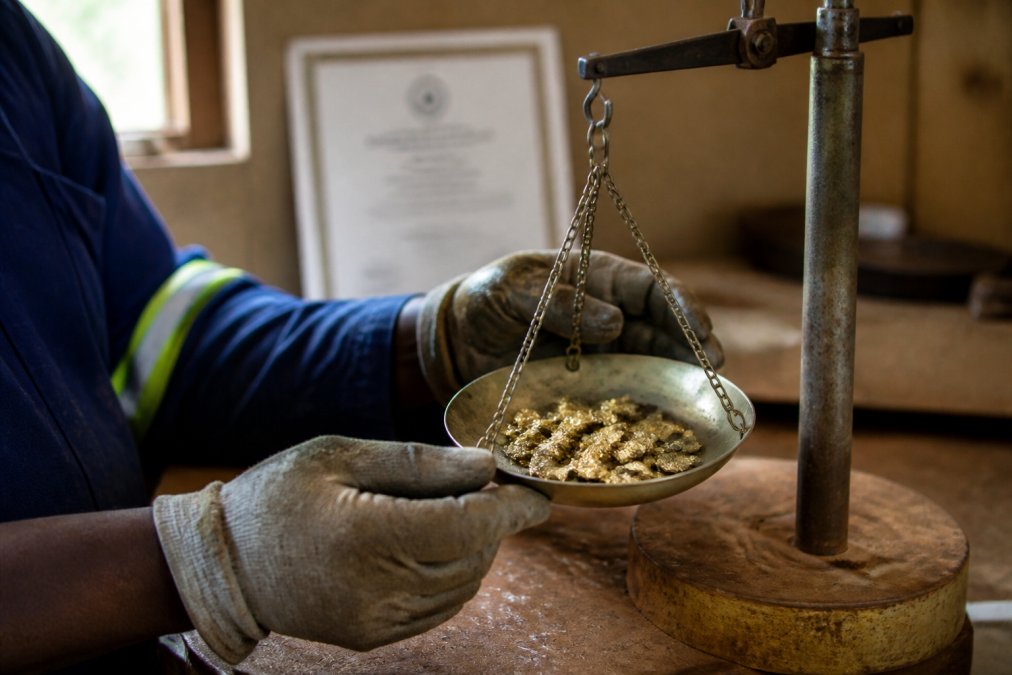
The label matters because unregulated artisanal and small-scale mining, often shortened to ASM, employs millions of people worldwide, most of them informally. Certification bodies such as the Fairtrade Foundation's standards documentation and the Alliance for Responsible Mining's Fairmined standard set requirements that conventional gold trading rarely touches.
The Standards Behind the Label
Certification requires more than a sticker. Producers must meet criteria covering fair wage floors, mercury-free mining methods, traceability from pit to market, and independent social audits. A common mistake buyers make is assuming any "ethical gold" claim implies these checks. In practice, only certified operations carry third-party verification, and the audit trail is what separates them from vague sourcing promises.
Benefits of Fairmined Gold for Mining Communities
The benefits of fairmined gold reach communities through two channels: individual income and collective investment. A fair wage stabilizes household finances, while the community premium funds projects the miners themselves prioritize. Many cooperatives direct that premium toward education, clean water, and basic infrastructure.
Fair Wages and the Community Premium
A fair wage in certified mining means payment above the regional baseline, calculated to cover living costs rather than whatever the spot market allows. The community premium is a separate sum paid on top of the gold price, held collectively, and spent on projects chosen by the mining organization. This distinction matters: the wage supports the miner's family, while the premium supports the village. Together they create the socio-economic development that certification promises.
Health, Safety, and the End of Child Labor
Occupational health standards under certification ban child labor and require protective equipment, ventilation, and safe handling of chemicals. Child labor eradication is one of the clearest measurable outcomes, because certification audits verify that school-age children are in classrooms, not shafts. Mercury-free mining techniques replace a substance that poses severe neurological risks to workers and surrounding communities.
Ethical Gold Sourcing Practices and Supply Chain Transparency
Ethical gold sourcing practices depend on traceability: the ability to follow gold from a specific mine to the finished piece. Without a documented chain of custody, no claim about labor conditions or environmental stewardship can be verified. Certification programs assign batch codes and audit each transfer point, which is why responsible sourcing conversations increasingly center on documentation rather than reputation.
The Environmental and Social Trade-Offs Miners Face
Certification is not free, and that creates real tension. This is the part of the fair trade gold story that most consumer-facing articles skip, and it is the part miners themselves talk about most.
The costs fall into four categories. First, certification and audit fees, which are typically paid annually and can run into the thousands of dollars for a cooperative, depending on the standard and the size of the operation. Second, equipment upgrades: mercury-free processing, ventilation, and personal protective equipment all require capital that informal operations have never had to spend. Third, administrative labor, record-keeping, traceability documentation, and audit preparation, which pulls time away from actual mining. Fourth, the opportunity cost of waiting: audits and certification cycles take months, during which the cooperative is producing but not yet selling at a certified premium.
A common pattern is that cooperatives absorb these costs unevenly. Larger, better-organized operations with existing bookkeeping and leadership structures clear the bar; smaller or newer groups often cannot, and either drop out or never apply. That means certification can, unintentionally, favor the miners who were already relatively better off.
A second trade-off is market access. Certified miners depend on buyers who value traceability. When demand dips, some cooperatives report pressure to sell into informal channels where prices are immediate but protections vanish. The premium that justifies certification only exists if someone is willing to pay it, and that willingness is not guaranteed year to year.
Environmental justice arguments for certification hold up best when buyers commit to long-term purchasing, not one-off orders. A cooperative that knows it has a buyer for the next three years can plan equipment investments and audit cycles. A cooperative selling batch by batch cannot.
For consumers, this is the practical case for paying attention to a brand's sourcing relationships rather than just its logo. A brand that names its cooperative partners and buys from them consistently is doing more for miners than a brand that buys certified gold once a year.
How Consumers Can Verify Ethical Gold Claims
Consumer verification tools have improved, though they remain uneven. The most reliable approach is checking certification numbers directly against the issuing organization's public registry. Reputable brands publish their certification body, mine partners, and audit summaries. Vague phrases like "responsibly sourced" without a named certifier are a warning sign.
- Does the brand name a specific certification body?
- Is there a certification or batch number you can look up?
- Does the brand publish audit results or impact reports?
- Can you identify the mine or cooperative behind the piece?
- Does the brand explain where the community premium goes?
| Verification Signal | What It Tells You | Red Flag If Missing |
|---|---|---|
| Named certifier | Third-party oversight exists | "Ethical" with no body named |
| Certification number | Claim is checkable | No lookup possible |
| Published impact report | Premium use is documented | Only marketing language |
| Named mine or cooperative | Traceability is real | Country-only origin claims |
Long-Term Impact: What Longitudinal Studies Reveal
Longitudinal research on certified mining remains limited, and this is the honest gap in the sector. Most available data captures conditions at certification, not five or ten years later. What longer-term tracking does suggest is that benefits persist where cooperatives maintain buyer relationships and reinvest premiums consistently. Where demand is sporadic, gains can erode.
Gender-specific impacts deserve particular attention. Women in mining communities often work in processing and trading roles with less visibility than pit workers, meaning certification benefits can bypass them unless programs explicitly track gender-disaggregated outcomes. Programs that do track this report stronger household-level improvements, since income controlled by women tends to flow toward education and nutrition.
Conclusion: Wearing the Change You Want to See
The gap between certified and uncertified gold is a gap between verified standards and unverifiable promises. Closing it requires buyers who ask harder questions and brands that publish real documentation. Prideful Pieces of Africa works on the same principle in East African craft: every piece is handcrafted by a single artisan, paid through fair wages and transparent sourcing, with proceeds supporting families, education, and clean water. When you shop, you can trace the impact of what you wear. Shop and own a piece whose story you can actually verify.
Frequently Asked Questions
What are the primary social benefits of fair trade gold mining?
Fair trade gold mining delivers several key social benefits. It guarantees fair wages and safe working conditions for artisanal miners. The community premium funds local projects like schools, clean water systems, and healthcare clinics. It also works to eliminate child labor and supports the formalization of small-scale mining operations. These benefits help break cycles of poverty and build sustainable livelihoods for mining communities.
How does fair trade certification protect artisanal gold miners?
Certification protects miners by enforcing strict standards for occupational health and safety, banning hazardous chemicals like mercury, and requiring fair labor rights. It also ensures traceability from mine to market, so miners are not exploited by middlemen. The certification process includes regular social audits to verify compliance, giving miners a voice and a safer, more equitable working environment.
Why is transparency in the gold supply chain essential for social justice?
Transparency is crucial because it exposes where gold comes from and how it was mined. Without it, gold can be linked to conflict, child labor, and environmental destruction. Ethical gold sourcing practices with full traceability allow consumers to make informed choices and hold companies accountable. This transparency ensures that the benefits of mining, like fair wages and community investment, actually reach the miners and their communities.
What is the difference between conventional and fair trade gold mining?
Conventional gold mining often prioritizes profit over people, leading to unsafe conditions, low pay, and environmental damage. Fair trade gold mining flips this model by requiring fair wages, safe working conditions, environmental stewardship, and community development. It also focuses on the formalization of artisanal and small-scale mining (ASM) and provides a premium that miners invest in local infrastructure, creating a cycle of positive social impact.