

How to Identify Ethical Jewelry Brands Online
Table of Contents
- What Is Ethical Jewelry
- Why Supply Chain Transparency Matters
- Key Ethical Jewelry Certifications to Look For
- How to Spot Greenwashing in Fashion and Jewelry
- Verifying Brand Claims: A Step-by-Step Approach
- Understanding Recycled Metals and Lab-Grown Gemstones
- The Hidden Cost: Mining Impact and Carbon Footprint
- Frequently Asked Questions
Last Updated: August 31, 2026
What Is Ethical Jewelry
Ethical jewelry is handcrafted pieces created with full transparency about where materials come from, who makes them, and what happens to workers throughout the supply chain. It's the opposite of mass-production models where a ring passes through dozens of hands and nobody knows the story behind it.
At Prideful Pieces of Africa, we define ethical jewelry by three non-negotiable standards: fair wages paid directly to artisans, traceable sourcing of every material, and regenerative practices that give back to the communities where pieces are made. Each item is shaped by a single skilled craftsperson, never a machine. When one person creates a piece from start to finish, there's nowhere to hide the labor practices or material quality.
The difference between ethical jewelry and conventional jewelry comes down to visibility. Mainstream brands operate through layers of middlemen and opaque supply chains. You buy a diamond ring with no idea if the stone funded conflict, if miners were paid fairly, or if environmental damage occurred. Ethical brands flip this model: they show you the artisan's name, their story, their workshop, and the exact impact your purchase creates.
Jewelry is deeply personal. You wear it close to your skin, often for decades. The stories embedded in ethical pieces transform a simple accessory into a wearable commitment to values that actually mean something.
Why Supply Chain Transparency Matters
Supply chain transparency is the foundation of ethical jewelry. Without it, claims about fair wages and sustainable sourcing are just marketing language. Transparency means you can trace a piece backward: from your wrist to the artisan who made it, to the materials they used, to the communities that benefited.
The jewelry industry has a documented history of exploitation. Mining operations have been linked to poor labor conditions, environmental devastation, and money flowing everywhere except the communities doing the work. Lab-grown gemstones, recycled metals, and artisanal production are supposed to solve these problems, but only if you can verify they're real.
A brand with genuine transparency will publish supply chain reports, name their artisans by region, explain their sourcing standards, and invite third-party audits. They'll tell you exactly where your money goes: how much supports the artisan, how much covers materials, how much funds community projects like education or clean water access.
Brands worth supporting make transparency their competitive advantage. Socially conscious consumers, especially those with East African heritage seeking authentic cultural connection, aren't just buying jewelry. They're buying proof that their values align with their spending.
Key Ethical Jewelry Certifications to Look For
Not all certifications carry equal weight. Some are rigorous, third-party verified standards. Others are self-created marketing labels with minimal oversight.
Fairmined Certification guarantees that gold, silver, and other metals were mined under strict labor and environmental standards, with fair prices paid to miners and communities. Fairmined-certified metals come with a unique ID number you can trace. If a brand claims to use Fairmined gold but can't show you the certification number, they're not actually using it.
Responsible Jewellery Council (RJC) Certification covers the entire supply chain: mining, refining, manufacturing, and retail. RJC-certified brands undergo independent audits and must document their labor practices, environmental impact, and business ethics.
Lab-Grown Diamond Certification from the International Gemological Institute (IGI) or Gemological Institute of America (GIA) verifies that gemstones were created in controlled laboratory environments, not mined. These certifications prevent lab-grown stones from being misrepresented as mined diamonds.
Fair Trade Certification means the brand meets standards for worker treatment, environmental responsibility, and community development. Fair Trade certified brands typically work directly with artisans and communities, cutting out middlemen.
Beyond formal certifications, look for brands that participate in third-party supply chain audits. These independent investigations verify claims about labor practices, material sourcing, and environmental impact. A brand willing to undergo regular audits signals confidence in their practices.
Legitimate certifications come from organizations outside the brand itself. If a brand created their own certification standard, it's marketing, not verification.
How to Spot Greenwashing in Fashion and Jewelry
Greenwashing is when a brand uses ethical language and imagery to appear responsible without actually changing their practices. In jewelry, it's rampant. A brand might use terms like "eco-friendly," "sustainable," or "ethically sourced" without defining what those words mean or providing proof.
A jewelry brand launches a "sustainable collection" with recycled metal but never explains where the recycled metal comes from, how it's processed, or what percentage of their overall production it represents. One collection doesn't make a brand ethical.
Another common tactic: vague artisan stories. A brand shows beautiful photos of craftspeople at work but never names them, never shows their workshop location, never explains how much they're paid or what percentage of the purchase price reaches them.
Watch for brands that claim environmental responsibility without specifics. "Carbon neutral" sounds great until you realize they haven't actually measured their carbon footprint. "Eco-friendly packaging" might mean recycled cardboard while sourcing materials from environmentally destructive mines.
The most effective greenwashing plays on emotional appeals. A brand tells a beautiful story about supporting communities and preserving traditions, but if they won't provide concrete data, audited supply chain reports, named artisans with payment documentation, and third-party verification, the story is just marketing.
Red flags for greenwashing:
- Vague language ("responsibly sourced," "ethically made") without definitions
- No third-party certification or audit
- Refusal to name specific artisans, suppliers, or workshops
- Claims about carbon neutrality or environmental impact without published data
- A single "ethical" collection in an otherwise conventional product line
- Beautiful imagery of artisans without specific location, names, or wage information
Verifying Brand Claims: A Step-by-Step Approach
Identifying ethical jewelry brands online requires systematic verification. Don't rely on marketing copy alone.
Step 1: Check for Third-Party Certifications
Look for formal certifications from organizations outside the brand. Visit the brand's website and search for logos or mentions of Fairmined, RJC, Fair Trade, or other recognized standards. Verify the certification through the organization's searchable database. If a brand claims Fairmined certification for gold, go to fairmined.org and search their certified artisan and trader database. If the brand isn't listed, they don't actually have the certification.
Step 2: Research the Brand's Supply Chain Transparency
Look for published supply chain reports or sustainability documentation. Brands committed to transparency typically publish annual or semi-annual reports detailing their sourcing practices, labor standards, and community impact. These documents should include named suppliers and artisans (or at least their regions), specific labor standards and wage information, environmental practices and impact measurements, third-party audit results, and community project details and funding amounts.
If a brand's website has no supply chain documentation, that's a significant warning sign.
Step 3: Look for Artisan Stories and Named Individuals
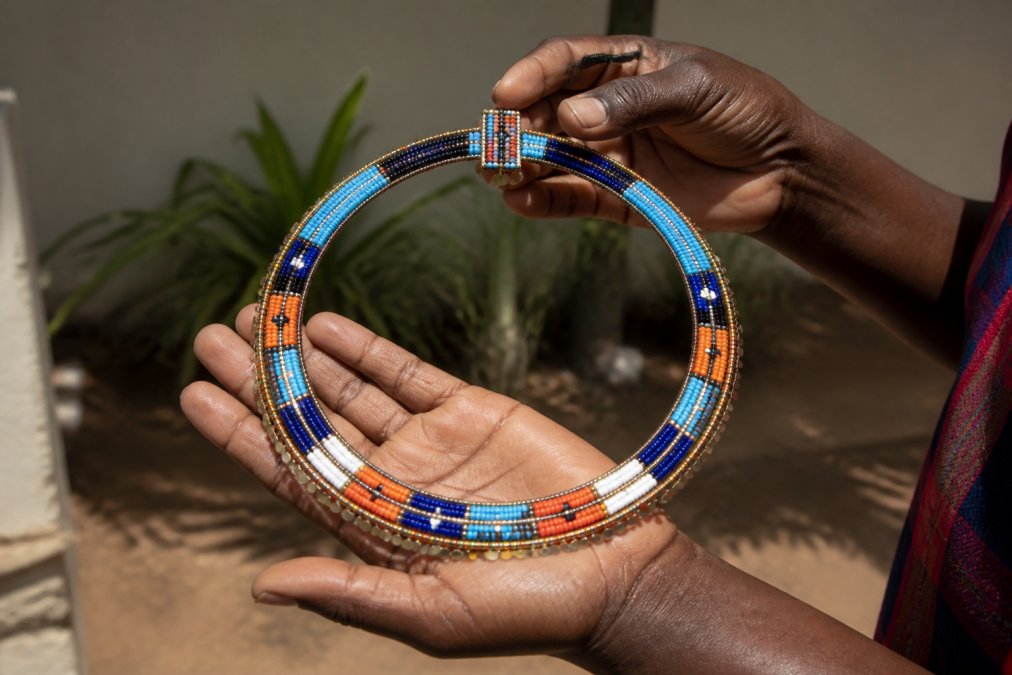
Ethical brands share specific artisan stories, not generic images. You should find information about actual craftspeople: their names, their communities, their techniques, how long they've been making jewelry, and what impact their work creates.
Prideful Pieces of Africa features artisans from East African communities, showing how each handmade piece supports families, funds education, and provides clean water access. Vague artisan descriptions without names, locations, or personal details are a red flag.
Step 4: Verify Material Sourcing Claims
If a brand claims to use recycled metals or lab-grown gemstones, ask for specifics. What percentage of their metals are recycled? Where does the recycled metal come from? Which gemstones are lab-grown versus mined?
For lab-grown diamonds and gemstones, request certification documentation from IGI, GIA, or similar organizations. For recycled metals, look for brands that partner with established recycling organizations or have documented refining processes.
Step 5: Check for Independent Audits and Third-Party Verification
Look for evidence that independent organizations have audited the brand's practices. These audits should cover labor conditions, environmental impact, and community benefit claims. Search for the brand name plus "audit," "third-party verification," or "sustainability report." Contact the brand directly if you find nothing.
Step 6: Review Customer Testimonials and Community Feedback
Real customers provide valuable verification. Look for reviews that mention the quality of craftsmanship, the authenticity of the artisan stories, and whether the brand delivers on its ethical claims. Pay attention to reviews from customers with East African heritage or cultural connection, as they're often most critical about authenticity and cultural appropriation concerns.
Understanding Recycled Metals and Lab-Grown Gemstones
Recycled metals and lab-grown gemstones are common claims in ethical jewelry. Both can be legitimate alternatives to mined materials, but both require verification.
Recycled Metals come from existing sources: old jewelry, electronics waste, industrial byproducts, or mining waste. The benefit is clear, no new mining required. But brands must specify where their recycled metals originate. When evaluating recycled metal claims, ask: What percentage of the brand's metals are recycled? Where specifically do they source recycled materials? Can they provide documentation of the recycling process?
Lab-Grown Gemstones are created in controlled laboratory environments rather than mined. They're chemically identical to mined gemstones but require far less environmental disruption. However, lab-grown doesn't automatically mean ethical; the energy used in labs matters.
Demand certification from recognized gemological institutes. Lab-grown diamonds and gemstones should come with IGI or GIA reports that specify they're laboratory-created. This prevents confusion with mined stones and confirms the lab-growing process actually occurred.
What matters is verification. A brand using certified lab-grown diamonds with transparent sourcing is more ethical than a brand claiming "sustainable" mined diamonds without proof.
The Hidden Cost: Mining Impact and Carbon Footprint
Mining for precious metals and gemstones carries environmental costs that ethical jewelry brands must address.
Mining's Environmental Footprint
Traditional precious metal and gemstone mining requires removing large volumes of earth, using significant water resources, and often leaving environmental damage behind (usgs.gov). Mining operations can contaminate water supplies, disrupt ecosystems, and generate substantial carbon emissions (the EPA).
Ethical jewelry brands address this through material choices: recycled metals eliminate new mining entirely. Lab-grown gemstones require controlled laboratory environments rather than large-scale excavation. Artisanal mining operations, when properly regulated and audited, typically have smaller environmental footprints than industrial-scale mining.
Carbon Footprint Considerations
The carbon impact of jewelry extends beyond material sourcing to manufacturing, packaging, and shipping. A piece handcrafted by an artisan in East Africa and shipped internationally has a different carbon profile than a piece manufactured in an industrial facility and distributed through multiple warehouses.
Brands addressing carbon impact typically measure their supply chain emissions, use efficient manufacturing processes, minimize packaging materials, optimize shipping routes, and offset remaining emissions through verified carbon programs.
When evaluating a brand's carbon claims, look for specific data: measured emissions, reduction targets, and offset documentation. Vague claims about being "carbon neutral" without published data aren't verification.
Why This Matters for Ethical Jewelry
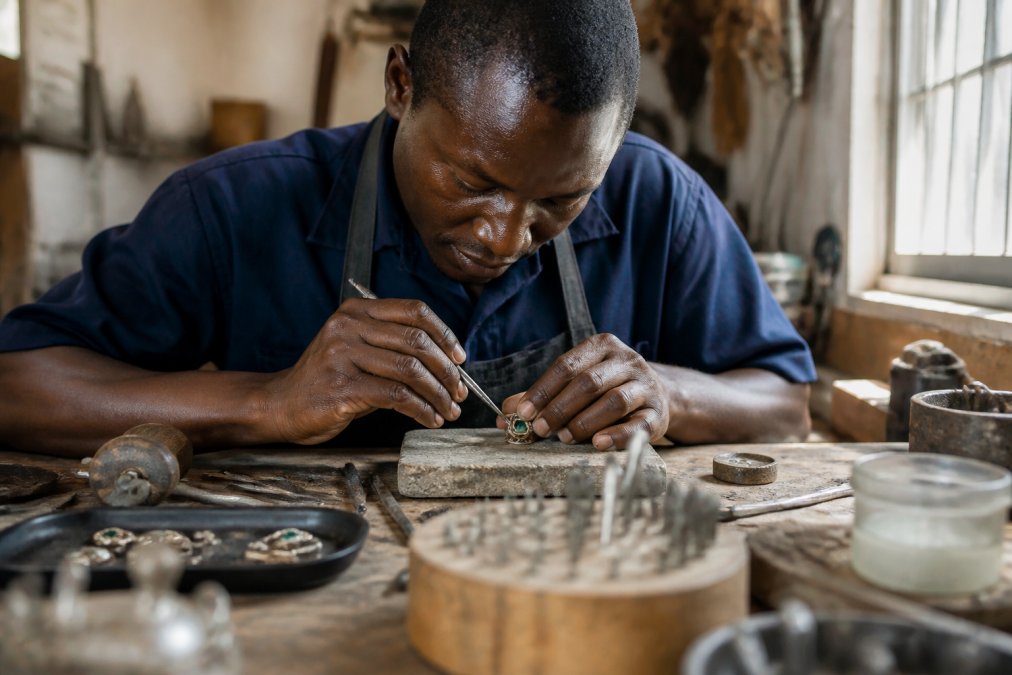
The whole point of ethical jewelry is that your purchase creates positive impact. A brand that sources recycled metals and pays fair wages but generates significant carbon emissions through inefficient shipping hasn't fully addressed the "ethical" equation.
Look for brands that take a comprehensive approach: ethical material sourcing, fair labor practices, environmental responsibility, and community reinvestment. Prideful Pieces of Africa exemplifies this by using handcrafted production (minimal industrial carbon footprint), fair wages paid directly to artisans, and regenerative practices that fund community needs like education and clean water access.
| Verification Element | What to Look For | Red Flag |
|---|---|---|
| Certifications | Third-party verified (Fairmined, RJC, Fair Trade) | Self-created certification or no verification |
| Supply Chain | Published reports naming suppliers and artisans | Vague language, no documentation available |
| Artisan Stories | Named individuals with specific location and impact data | Generic images without names or details |
| Material Sourcing | Documented origin with traceability documentation | Unspecified sources or no chain-of-custody records |
| Audits | Independent third-party audits published recently | No audit documentation or self-audited reports only |
| Carbon Impact | Measured emissions and reduction strategies | Claims of carbon neutrality without data |
Identifying ethical jewelry brands online requires moving beyond marketing language to verify actual practices. The brands worth supporting, like Prideful Pieces of Africa, make transparency their foundation: handcrafted pieces shaped by named artisans, fair wages paid directly to makers, and regenerative practices that fund education and clean water in the communities where jewelry is made. When you shop for ethical jewelry, demand proof. Third-party certifications, published supply chain reports, named artisans, and independent audits separate genuine commitment from greenwashing. Your purchase should create measurable impact, not just feel good about it.
Consider our TEMBO AFRICA Maasai Beaded Earrings for $9.99, handcrafted by skilled artisans in East Africa. Each purchase supports families and contributes to essential needs like education and clean water. Or explore our African Necklace for Women, Ankara Multi-Strand Fabric Shawl-Style Statement Necklace for $42.99, a unique piece that preserves generations of tradition and identity. Shop now to make a meaningful impact.
Frequently Asked Questions
Q: What certifications should I look for when buying ethical jewelry brands online?
A: Look for third-party certifications like Fairmined, Responsible Jewellery Council (RJC), and conflict-free diamond certifications. These independent audits verify fair wages, safe working conditions, and responsible sourcing. Brands displaying these certifications have undergone rigorous verification. Check the brand's website for certification documentation and audit reports. Be cautious of vague claims like 'ethical' or 'sustainable' without backing certifications, these are often greenwashing tactics.
Q: How can I verify if a jewelry brand uses conflict-free materials?
A: Request the brand's supply chain documentation and third-party audit reports. Ethical brands provide detailed information about where gemstones and metals originate. Look for certifications from the Kimberley Process (for diamonds) or Fairmined standards for gold. Ask the brand directly about their sourcing practices and traceability systems. Authentic ethical brands welcome these questions and provide transparent answers with supporting documentation, not vague marketing language.
Q: What's the difference between sustainable and ethical jewelry?
A: Sustainable jewelry focuses on environmental impact, using recycled metals, lab-grown gemstones, and reducing carbon emissions. Ethical jewelry prioritizes human rights, fair wages, and community impact. The best brands combine both: they source responsibly and ensure artisans earn fair wages while minimizing environmental damage. When evaluating brands, check for both environmental certifications and labor practice documentation to ensure comprehensive ethical standards.
Q: How can I tell if a brand is greenwashing in jewelry marketing?
A: Watch for red flags: vague claims ('eco-friendly,' 'ethical,' 'sustainable') without certification, lack of supply chain transparency, no third-party audits, and reluctance to answer specific questions about sourcing and labor practices. Greenwashing brands avoid naming suppliers or artisans and use emotional storytelling without data. Ethical brands provide specific details about where materials come from, who makes pieces, wage breakdowns, and verifiable impact reports. If a brand won't answer direct questions, it's likely greenwashing.
This article was written using GrandRanker