

Ethical Fashion vs Fast Fashion Jewelry
Table of Contents
- What Is Fast Fashion Jewelry and Why It Matters
- The Environmental and Human Cost of Mass-Produced Jewelry
- Understanding Ethical Fashion Jewelry and Its Impact
- Benefits of Artisan-Made Jewelry
- How to Identify Ethical Jewelry and Sustainable Jewelry Brands
- Sustainable Jewelry Brands That Prioritize Artisanal Craftsmanship
- Conclusion: Making the Shift to Conscious Consumerism
Last Updated: August 25, 2026
What Is Fast Fashion Jewelry and Why It Matters
Fast fashion jewelry represents the throwaway mentality applied to accessories. These are mass-produced pieces designed to mimic current trends, manufactured cheaply, and expected to last a season or two before ending up in a landfill. Fast fashion jewelry prioritizes speed and affordability over durability, craftsmanship, or ethical production practices.
The problem isn't that affordable jewelry exists. The problem is the deliberate design for obsolescence. A $5 necklace isn't cheap because production is efficient, it's cheap because corners are cut everywhere: materials, labor, environmental standards, and worker protections. When you understand what goes into making something that costs almost nothing, the real cost becomes clear.
This comparison of ethical fashion vs fast fashion jewelry matters because your purchases fund entire systems. Every piece you buy sends a signal about what you value. Choosing between these two approaches means choosing between supporting artisans and communities or funding a cycle of waste, exploitation, and environmental degradation.
The Environmental and Human Cost of Mass-Produced Jewelry
Mass production of cheap jewelry creates a cascade of environmental problems that rarely appear on price tags. The manufacturing process generates significant waste, uses toxic chemicals, and relies on energy-intensive processes. Base metals like nickel and brass require mining operations that disrupt ecosystems. Synthetic stones and plastic components are petroleum-based, contributing to non-biodegradable waste that persists for decades.
The supply chain opacity is deliberate. Most fast fashion jewelry brands source from factories in countries with minimal environmental regulation and labor oversight. This allows companies to externalize costs, pollution, worker health hazards, and community damage, onto vulnerable populations who bear the consequences while seeing none of the profits.
Materials Used in Cheap Jewelry
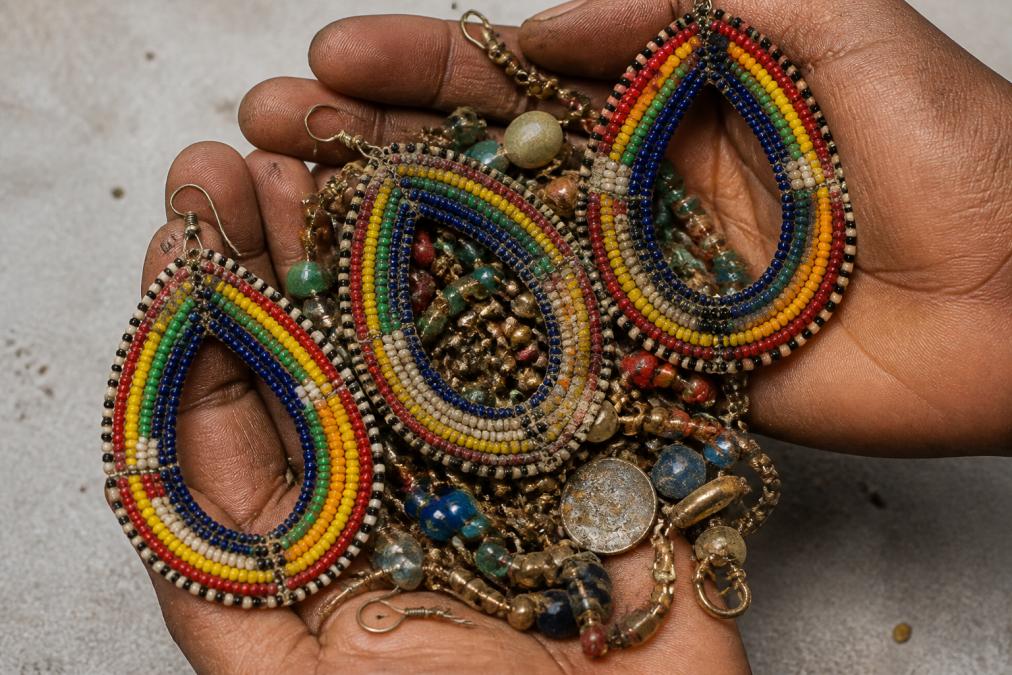
Fast fashion jewelry relies on base metals that tarnish, corrode, and degrade quickly. Nickel is a common culprit, it's cheap, easy to work with, and notorious for causing allergic reactions in sensitive skin (peer-reviewed research). Brass and copper plating wear through within months of regular wear, exposing cheaper metals underneath. Synthetic stones made from acrylic or glass lack durability and cloud over time, losing their shine.
The real issue: these materials are chosen for cost, not performance. A nickel-plated earring might cost $2 to produce. An actual sterling silver or nickel-free alternative costs more upfront but lasts years. When you factor in cost-per-wear, the cheap piece becomes expensive because you replace it constantly.
Plastic components in fast fashion jewelry are particularly problematic. They're lightweight, which manufacturers love, but they're also brittle. A plastic bead snaps under pressure. The piece breaks. It goes in the trash. The plastic sits in a landfill for hundreds of years.
Labor Ethics and Supply Chain Transparency
The people making fast fashion jewelry often work in conditions that would be illegal in most developed countries. Wages are suppressed, hours are long, and safety standards are minimal. Factory workers handling toxic chemicals without proper protection. Children in some supply chains performing detail work because their small hands are "efficient."
This happens because transparency is expensive. Tracking where every component comes from, verifying working conditions, ensuring fair wages, these practices require investment and accountability. Fast fashion brands avoid this cost by deliberately obscuring their supply chains. They buy from intermediaries who buy from factories they've never visited. Plausible deniability becomes business strategy.
The contrast is stark when you look at brands that prioritize supply chain transparency. They can tell you the artisan's name, the workshop location, the exact wage paid, and the community impact. This transparency costs more to maintain, which is why it appears in ethical brands and disappears from fast fashion.
Understanding Ethical Fashion Jewelry and Its Impact
Ethical fashion jewelry is built on a different premise: that the people making your accessories deserve fair compensation, safe working conditions, and dignity. That materials should be chosen for longevity, not just cost. That environmental impact matters. That a piece of jewelry can carry meaning beyond its trend cycle.
This approach transforms the entire value proposition. An ethical piece isn't purchased for a season. It's chosen as something you'll wear for years, pass down, or repurpose. The higher upfront cost reflects the reality of production: fair wages, quality materials, and sustainable practices cost more than exploitation.
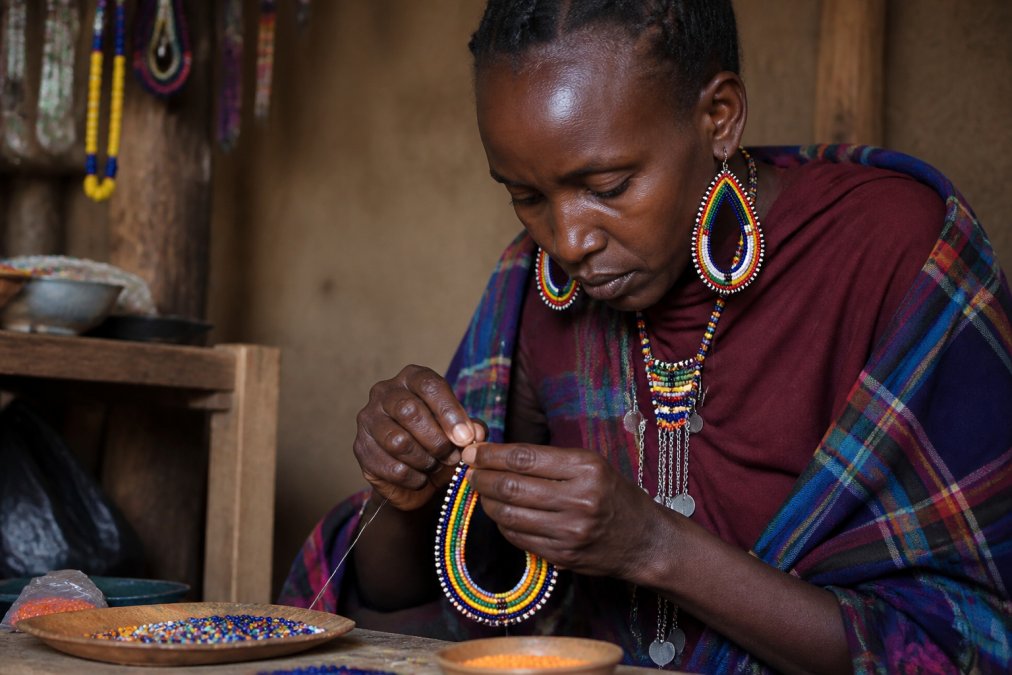
Ethical fashion jewelry often comes from artisanal makers and small workshops where individual craftspeople control the entire production process. No two pieces are identical. Each one carries the maker's skill and intention. This is the opposite of mass production's sameness and disposability.
Benefits of Artisan-Made Jewelry
Artisan-made jewelry offers benefits that fast fashion simply cannot match. When a single craftsperson creates your piece, quality control is built in. They care about the outcome because their reputation depends on it. They choose materials that will last because they're making something meant to endure.
The emotional connection is real. You're not buying an anonymous product made by an invisible factory. You're buying from a specific person, often with a story. You know where your money goes. You know it supports a family, funds education, provides clean water. This isn't marketing, it's the actual structure of artisanal production.
Artisan pieces also offer authenticity that mass production cannot replicate. When a Maasai beadworker creates earrings using traditional techniques passed down through generations, you're wearing cultural heritage. The patterns, colors, and methods carry meaning. This is fundamentally different from a factory in China mass-producing "African-inspired" jewelry for trend-chasing consumers.
Quality, Longevity, and Cost-Per-Wear Analysis
The cost-per-wear calculation flips the script on pricing. A $5 fast fashion necklace worn 10 times before breaking costs $0.50 per wear (the FTC). A $50 ethical necklace worn 500 times over five years costs $0.10 per wear. The expensive piece becomes the bargain.
This assumes the ethical piece actually lasts, which it does. Sterling silver doesn't tarnish permanently, it polishes back to shine. Genuine gemstones don't cloud over. Artisan construction means clasps that hold, chains that don't snap, and beadwork that stays intact. You're not replacing it every season.
Quality also means versatility. A well-made piece works across multiple outfits and occasions. Fast fashion jewelry is trend-specific by design, it's meant to match one trend cycle. An artisan-made piece transcends trends because it's based on classic design principles and quality materials.
Jewelry Recycling and Circular Economy
Ethical brands increasingly embrace circular economy principles. They accept old pieces back for recycling or refurbishment. Metals are melted down and reused. Broken pieces are repaired rather than discarded. This closes the loop that fast fashion deliberately leaves open.
Some artisanal makers incorporate recycled metals directly into new pieces. This reduces mining impact while maintaining quality. It's a practical demonstration that sustainability and craftsmanship aren't opposing forces, they reinforce each other.
The contrast with fast fashion is instructive. Most cheap jewelry cannot be recycled because the materials are mixed and contaminated. The base metal plating can't be separated from the underlying material. Synthetic stones mixed with glue can't be recovered. The piece is designed to be disposable, so disposal is all that's possible.
How to Identify Ethical Jewelry and Sustainable Jewelry Brands
Identifying genuinely ethical jewelry requires looking beyond marketing claims. Real ethical brands make specific commitments and back them up with verifiable information.
Start by asking direct questions. Where is this made? Who made it? What materials were used? Can you verify the artisan's name and location? If a brand cannot answer these questions clearly, that's a red flag. Ethical brands are proud of their supply chains and eager to share them.
Look for transparency about pricing. A breakdown showing material costs, labor costs, and profit margin demonstrates honesty. When a brand explains why a piece costs what it does, you can evaluate whether the price reflects the value. Fast fashion brands hide this information because the numbers wouldn't survive scrutiny.
Certification Standards and Verification
Several certification standards exist to verify ethical claims. The Fairtrade certification confirms that workers received fair wages and worked in safe conditions (fairtrade.net). It's audited by third parties, not self-reported. Artisan Alliance certification verifies that pieces are genuinely handmade by named artisans.
These certifications aren't perfect, but they're meaningful. They represent accountability. A brand displaying these certifications has submitted to external verification. This is fundamentally different from a brand simply claiming to be "ethical" with no third-party validation.
When evaluating sustainable jewelry brands, look for certifications specific to your values. Some focus on fair labor, others on environmental impact, others on supply chain transparency. Understanding what each certification actually verifies helps you make informed choices.
Questions to Ask Before You Buy
Before purchasing ethical jewelry, ask yourself and the brand these questions:
Who made this piece? A real answer includes a name, not just "our artisans."
What materials are used? Specific material information, sterling silver, seed beads, recycled brass, matters. Vague descriptions like "quality materials" hide something.
Can you verify the wage paid to the maker? Ethical brands share this information. It demonstrates confidence in their practices.
What happens if the piece breaks? Can it be repaired? Will the brand take it back? Durability-focused brands stand behind their work.
How is environmental impact minimized? From mining practices to packaging, ethical brands can explain their approach.
Is this piece designed to last, or to match a trend? Honest brands acknowledge when something is seasonal. Ethical brands focus on pieces meant to endure.
Sustainable Jewelry Brands That Prioritize Artisanal Craftsmanship
When evaluating sustainable jewelry brands, Prideful Pieces of Africa stands apart because it centers on genuine artisanal production from East African craftspeople. Every piece is handmade by a named artisan, never mass-produced. This commitment to individual craftsmanship means no two pieces are identical.
The brand's approach directly addresses the core tension in this comparison. Each purchase supports a family in Kenya, contributes to a child's school day, and provides clean water to communities. These aren't vague sustainability claims, they're specific outcomes tied to transparent, regenerative practices.
Consider the TEMBO AFRICA Maasai Beaded Earrings, handcrafted with seed beads and wire at $9.99. These are authentic Maasai pieces made using traditional techniques. The price reflects fair wages for the artisan, not a markup on cheap production. At this price point, you're getting genuine artisanal work, something impossible in fast fashion jewelry.
The AUEAR Colorful Beaded Necklace at $13.39 demonstrates how artisanal pieces offer versatility. The handcrafted beadwork and adjustable fit make it work across multiple occasions and outfits. This is quality design that transcends trends, the opposite of fast fashion's seasonal approach.
For those seeking complete sets, the African Tribal Jewelry Set at $16.09 provides coordinated pieces, a chunky beaded bib choker necklace with matching earrings. The tribal beadwork represents genuine cultural artistry, not appropriation. Each piece in the set is handcrafted, ensuring individual character while maintaining visual cohesion.
The MALOYANVE 6-Piece Juneteenth African Jewelry Set at $15.99 celebrates Pan-African heritage with authentic materials. Natural wood, traditional Rasta colors, and handcrafted construction create pieces designed for meaningful wear, not disposable fashion. The set's versatility, from beaded necklaces to wooden earrings, means you'll reach for these pieces repeatedly, maximizing cost-per-wear value.
What distinguishes these pieces from fast fashion jewelry is the intentionality behind every element. The materials are chosen for longevity. The construction prioritizes durability. The artisans are compensated fairly. The supply chain is transparent. You can wear these pieces knowing exactly what they represent and who benefits from your purchase.
| Aspect | Fast Fashion Jewelry | Ethical & Artisan Jewelry |
|---|---|---|
| Production Method | Mass-manufactured in factories | Handcrafted by individual artisans |
| Materials | Base metals, nickel, synthetic stones, plastic | Sterling silver, natural beads, recycled metals, gemstones |
| Durability | 1-3 months of regular wear | Years to decades with proper care |
| Cost Per Wear | $0.50+ (frequent replacement) | $0.10 or less (long-term use) |
| Supply Chain | Opaque, outsourced manufacturing | Transparent, named makers |
| Worker Conditions | Often exploitative, unverified | Fair wages, safe conditions, verified |
| Environmental Impact | Significant waste, toxic chemicals, mining | Minimized through material choices and practices |
| Uniqueness | Identical mass-produced pieces | Each piece is one-of-a-kind |
| Cultural Authenticity | Appropriative designs | Genuine cultural heritage and traditions |
| Traceability | Unknown origin and maker | Named artisan, specific location |
Conclusion: Making the Shift to Conscious Consumerism
The choice between ethical fashion vs fast fashion jewelry isn't really about jewelry. It's about what you're willing to support with your money. Every purchase votes for a system, either one built on exploitation and waste, or one built on craftsmanship and dignity.
Start with Prideful Pieces of Africa. Shop the collection of handcrafted pieces that support East African artisans directly. Each piece, from the TEMBO AFRICA Maasai Beaded Earrings to the African Tribal Jewelry Set, carries the maker's name, ensures fair wages, and contributes to education and clean water in the regions where artisans live. You're not just buying jewelry; you're preserving generations of tradition while supporting families and communities. Shop Prideful Pieces of Africa today and wear pieces that mean something.
Frequently Asked Questions
What is fast fashion jewelry?
Fast fashion jewelry refers to mass-produced, inexpensive accessories made with base metals, synthetic stones, and plastic components designed for short-term wear. These pieces are manufactured quickly using industrial processes, often with minimal concern for environmental impact or labor practices. Fast fashion jewelry prioritizes trend-driven designs and low prices over durability, typically lasting only a few months before tarnishing, breaking, or becoming unwanted.
How can you tell if jewelry is ethically sourced?
Ethically sourced jewelry comes with supply chain transparency, fair labor practices, and verifiable certifications. Look for brands that disclose where pieces are made, provide artisan names or stories, and hold certifications like Fairmined or Fair Trade USA. Ask brands directly about wage standards, working conditions, and material sourcing. Handcrafted jewelry from artisanal makers often comes with documentation proving direct artisan involvement. Authentic ethical brands welcome questions and provide detailed impact reports showing how purchases support communities.
What are the benefits of artisan-made jewelry?
Artisan-made jewelry offers superior quality, longevity, and cultural authenticity. Each piece is unique, crafted by skilled hands using time-honored techniques, meaning no two items are identical. These pieces last years rather than months, lowering cost-per-wear over time. Artisan jewelry supports fair wages, preserves traditional craftsmanship, and creates direct economic impact in producing communities. By choosing handcrafted pieces, you invest in wearable art that carries cultural significance and meaning, unlike disposable trend-driven alternatives.
Why do sustainable jewelry brands cost more than fast fashion?
Sustainable jewelry brands cost more because they invest in quality materials, fair wages, transparent supply chains, and ethical manufacturing practices. Fast fashion jewelry cuts costs by using cheap base metals, synthetic stones, and underpaid labor. With ethical brands, you're paying for durability, cultural authenticity, and verifiable social impact. A $16 handcrafted piece that lasts years offers better cost-per-wear than $5 mass-produced jewelry replaced monthly. The higher price reflects the true cost of ethical production, not just markup for the story.
What makes a jewelry brand truly sustainable?
Truly sustainable jewelry brands combine environmental responsibility with social ethics. They use recycled or precious metals, avoid non-biodegradable synthetic materials, and implement waste reduction in production. Supply chain transparency is essential, brands should disclose material sourcing, manufacturing locations, and labor standards. Fair wage certification, direct artisan relationships, and community reinvestment programs demonstrate genuine commitment. Sustainable brands also address jewelry recycling and circular economy practices, allowing customers to return worn pieces for refurbishment or responsible disposal.
This article was written using GrandRanker