

How to Choose Fair Trade Jewelry Online
Table of Contents
- What Fair Trade Jewelry Actually Means
- Step 1: Verify Ethical Jewelry Certification Standards
- Step 2: How to Spot Greenwashing in Jewelry Brands
- Step 3: Research Supply Chain Transparency
- Step 4: Evaluate Materials and Environmental Impact
- Step 5: Confirm Fair Wages and Community Impact
- The Benefits of Buying Fair Trade Jewelry
- Budget-Friendly Fair Trade Jewelry Options
Last Updated: August 26, 2026
What Fair Trade Jewelry Actually Means
Fair trade jewelry means artisans received fair wages, worked in safe conditions, and contributed to decisions affecting their communities. It means materials came from sources that didn't exploit workers or devastate ecosystems. This is a measurable standard enforced through third-party certification and supply chain documentation, not marketing language.
The challenge is that "fair trade" has become diluted. Many brands use it loosely without backing it up, claiming ethical sourcing without certification or highlighting one aspect of their supply chain while hiding problematic practices elsewhere. This is where greenwashing enters the picture, and knowing how to verify claims matters more than ever.
Step 1: Verify Ethical Jewelry Certification Standards
The foundation of choosing fair trade jewelry online is understanding what certifications actually mean. A certification from a recognized body provides third-party verification that a brand's claims are real, not just marketing.
Third-Party Certifications to Look For
Fairmined Certification is one of the most rigorous standards for precious metals. It certifies gold, silver, and platinum from artisanal and small-scale mining operations, requiring miners to receive a minimum price plus a social premium for community projects. It also mandates environmental protection and worker safety standards.
Responsible Jewelry Council (RJC) Certification covers the entire supply chain from mining through retail, addressing labor practices, environmental impact, and business ethics. Many fair trade jewelry brands pursue RJC certification because it's recognized globally and requires ongoing compliance audits.
Kimberly Process Certification specifically addresses conflict-free diamonds, preventing "blood diamonds" from entering the market. However, it has significant limitations, it doesn't address labor conditions or environmental damage, only whether diamonds funded conflict.
Certified B Corporation status indicates a company meets high standards for social and environmental performance. While not jewelry-specific, B Corp certification requires transparency about supply chains and worker treatment.
What Certification Labels Mean
Fairmined gold means the metal came from traceable sources where miners received fair compensation. RJC certification covers a broader scope but requires ongoing compliance. Conflict-free diamonds mean stones didn't finance armed conflict but say nothing about mining practices or worker conditions. Certified B Corporation status means the company committed to social responsibility across its operations.
Look for multiple certifications or a combination of certifications plus transparent supply chain documentation. A brand with only one certification may have gaps in other areas.
Step 2: How to Spot Greenwashing in Jewelry Brands
Greenwashing happens when brands use vague language, misleading claims, or selective transparency to appear more ethical than they actually are.
Red Flags in Brand Claims
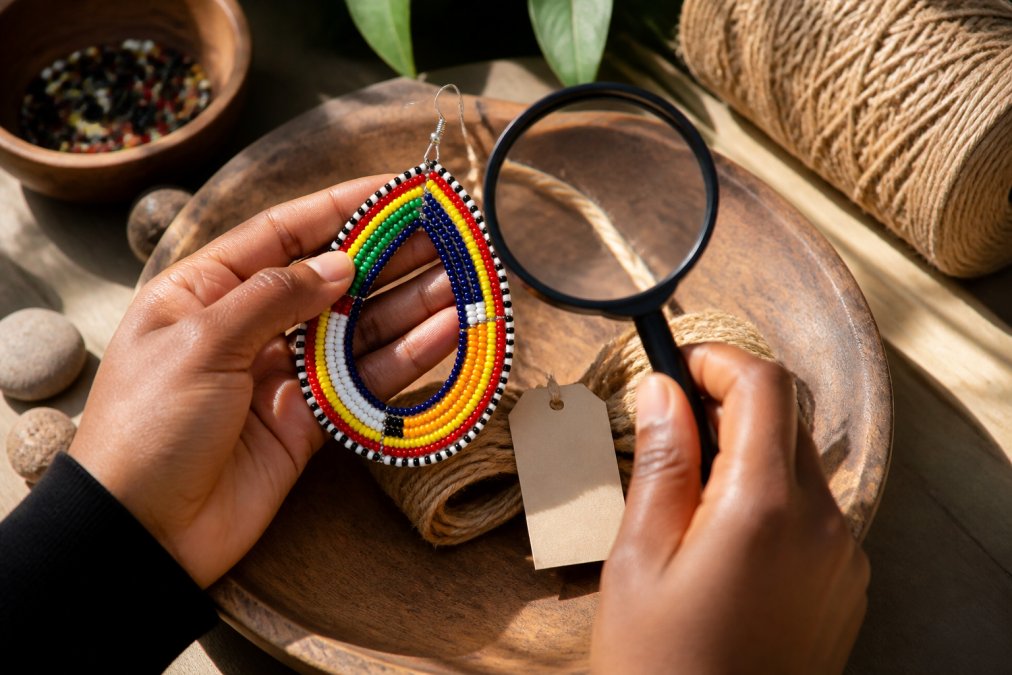
Words like "ethically sourced," "responsibly made," or "eco-friendly" without specific certification are unverifiable claims. These terms have no legal definition in the jewelry industry.
Vague supply chain statements like "we work with suppliers in East Africa" without naming specific organizations or providing documentation indicate intentional vagueness. Transparency requires naming suppliers, showing certifications, and explaining exactly how fair wages are determined and verified.
Selective transparency, highlighting one ethical practice while staying silent about others, is a classic greenwashing tactic. Claims about "supporting communities" without measurable outcomes are also suspect. Legitimate fair trade brands can answer specific questions with data.
Questions That Reveal the Truth
"Can you name your suppliers and provide certification details?" A transparent brand will give you names, locations, and links to certification databases where you can verify claims independently.
"What percentage of my purchase price goes directly to artisans?" This forces the brand to be specific about margins and labor costs.
"How are fair wages determined, and how do you verify they're actually paid?" Fair trade brands should explain their wage-setting process and provide evidence of verification.
"What environmental standards do your suppliers follow?" Ask specifically about water usage, chemical disposal, habitat protection, and carbon footprint.
"Can you show me documentation of your supply chain?" Legitimate fair trade brands maintain chain of custody documentation proving materials moved through verified channels.
Step 3: Research Supply Chain Transparency
Supply chain transparency is the backbone of fair trade jewelry. It's the difference between trusting a brand's word and verifying their claims yourself.
What Transparency Actually Looks Like
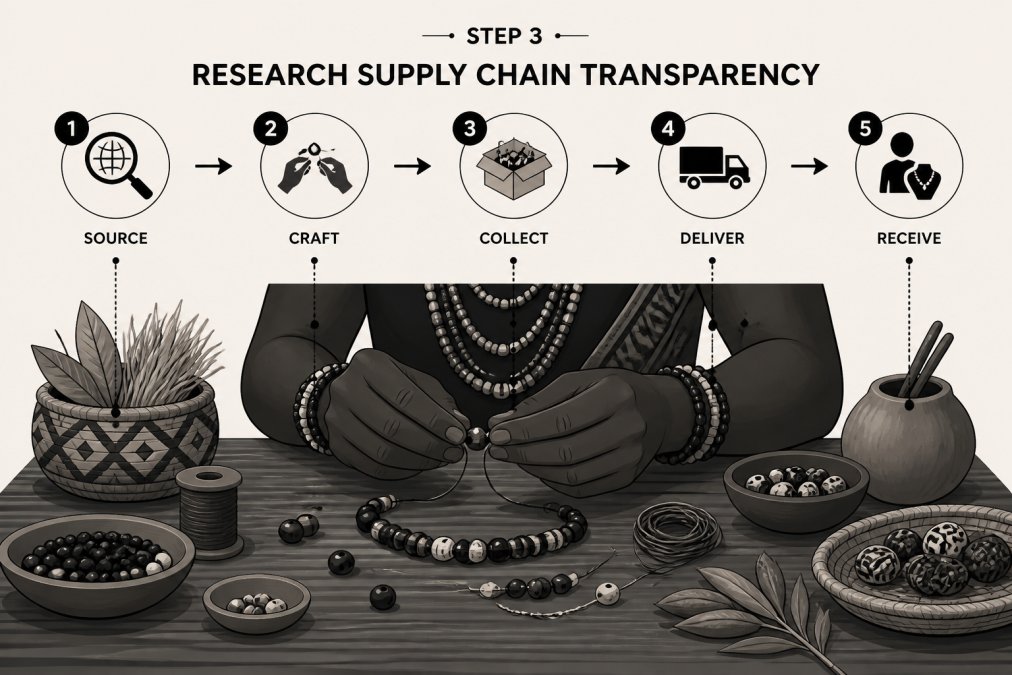
True transparency means a brand can show you the journey of your specific piece from raw material to finished product through chain of custody documentation. A transparent brand will provide names and locations of mines or material suppliers, certification documents from third-party auditors, information about artisans or manufacturers, details about labor practices and wage structures, environmental impact assessments, and community impact reports.
Prideful Pieces of Africa exemplifies this approach by making artisan stories central to each piece. When you purchase from a brand like this, you're buying documented impact. Transparency also means acknowledging limitations and challenges, honest brands discuss areas where they're working to improve.
Finding Chain of Custody Information
Check the brand's website for supply chain documentation in sections titled "Our Story," "Sourcing," "Artisans," or "Impact." Search for the brand's name plus "certification" to find third-party verification, then check certifying organizations' websites to verify the brand is actually listed as certified.
Email the brand directly asking for certification details, names of suppliers and artisans, impact reports, and environmental assessments. A brand's willingness to provide this information quickly and completely reveals their commitment level.
Look for third-party reviews and articles about the brand. Publications specializing in ethical fashion often investigate supply chains and expose greenwashing.
Step 4: Evaluate Materials and Environmental Impact
The materials in your jewelry matter as much as the labor practices. Understanding material sourcing and environmental impact is crucial when choosing fair trade jewelry online.
Recycled Metals and Lab-Grown Gemstones
Recycled gold and silver eliminate the need for new mining, one of the most environmentally damaging industries. Mining requires massive amounts of water, produces toxic waste, and destroys habitats (usgs.gov). Recycled precious metals are just as pure and durable as newly mined metals with no quality difference, only environmental benefit.
Lab-grown gemstones offer similar environmental advantages for diamonds and colored stones. A lab-grown diamond is chemically identical to a mined diamond but requires far less water, produces no mining waste, and generates a smaller carbon footprint (peer-reviewed research).
When evaluating materials, ask what percentage of metals are recycled versus newly mined, whether gemstones are lab-grown or mined, and what environmental certifications the materials carry.
Understanding Artisanal Mining Practices
Fair artisanal mining operations provide miners with safe working conditions, fair compensation, and a voice in decisions affecting their work. Fairmined certification specifically supports artisanal miners by guaranteeing minimum prices and requiring safety standards.
Exploitative artisanal mining involves dangerous conditions, child labor, and minimal compensation. Ask brands specifically whether their artisanal gold comes from Fairmined-certified sources or other verified fair trade operations.
Step 5: Confirm Fair Wages and Community Impact
Fair wages are the heart of fair trade jewelry. Legitimate fair trade brands can explain exactly how they determine fair wages, typically by matching or exceeding local prevailing wages, calculating a living wage based on regional cost of living, or using fair trade certification standards like Fairmined's minimum prices.
Ask brands to show you the math. If an artisan creates a piece that sells for $50, how much goes to the artisan? A reasonable split might be 40-50% of retail price going to labor and materials. Community impact should fund community-chosen projects: education, clean water, healthcare, infrastructure. Ask brands to share impact reports showing what projects have been funded and what outcomes were achieved.
The Benefits of Buying Fair Trade Jewelry
Direct Impact on Artisan Communities
When you purchase fair trade jewelry, your money reaches artisans and their families directly. A single purchase might fund a child's school fees for a year, provide clean water access, or allow an artisan to upgrade their tools. Fair trade wages provide stability enabling families to invest in education, healthcare, and housing. Community impact extends beyond individual families, when fair trade premiums fund shared projects, entire communities benefit.
Quality and Authenticity You Can Trust
Fair trade jewelry is handcrafted, meaning each piece is unique. You're buying something created by skilled hands, not mass-produced items stamped out by machines. This craftsmanship is visible in the details: the precision of beadwork, the balance of design, the durability of construction.
When you know the story of the artisan who created your piece and understand the cultural traditions embedded in the design, the jewelry becomes more meaningful. Fair trade pieces are designed to last and become heirlooms, not disposable items.
Budget-Friendly Fair Trade Jewelry Options
Fair trade doesn't have to mean expensive. Beaded jewelry is often more affordable than pieces featuring precious metals or gemstones. Prideful Pieces of Africa offers beaded pieces starting at under $10, like the TEMBO AFRICA Maasai Beaded Earrings at $9.99, delivering authentic craftsmanship and fair trade impact at an entry-level price point.
Wooden jewelry is another budget-friendly option. The Bohemia Natural Wooden African Earrings at $5.99 combine cultural authenticity with affordability. Sets offer better value than individual pieces, the African Tribal Jewelry Set at $16.09 includes both a necklace and earrings at a lower per-item cost.
Look for brands that offer transparent pricing showing where your money goes. This helps you understand why fair trade jewelry costs more than mass-produced alternatives, and why that premium is worth it.
Choosing fair trade jewelry online is an investment in quality, authenticity, and impact. When you know how to verify certifications, spot greenwashing, research supply chains, and evaluate materials, you can shop with confidence. Prideful Pieces of Africa makes this easier by offering handcrafted, ethically sourced jewelry with transparent sourcing and documented community impact. Each piece supports artisans in East Africa while delivering authentic craftsmanship and cultural significance. Shop fair trade jewelry that aligns with your values and carries real impact.
Frequently Asked Questions
Q: What does fair trade certification mean for jewelry?
A: Fair trade certification verifies that jewelry was produced with fair wages, safe working conditions, and environmental responsibility. Third-party organizations audit the supply chain to confirm artisans received equitable compensation and that mining or material sourcing followed ethical standards. Certifications like Fairmined Gold and Responsible Jewellery Council (RJC) provide independent proof that brands aren't making empty promises about their ethical practices.
Q: How can I verify if an online jewelry brand is truly ethical?
A: Request specific details: Ask for supply chain documentation, artisan names or photos, wage breakdowns, and certification numbers. Legitimate brands publish transparency reports showing where materials come from and how much artisans earn. Check if they use third-party certifications, provide traceability information, and share community impact stories with verifiable details. Brands that refuse to answer these questions or offer only vague claims are likely greenwashing.
Q: What is the difference between sustainable and fair trade jewelry?
A: Sustainable jewelry focuses on environmental impact: using recycled metals, lab-grown gemstones, or minimizing carbon footprint and waste. Fair trade jewelry prioritizes human welfare: ensuring artisans earn living wages, work safely, and maintain cultural practices. A piece can be sustainable but not fair trade, or fair trade but not environmentally sustainable. The strongest option combines both: ethical sourcing with minimal environmental harm and equitable compensation for makers.
Q: Are there specific certifications to look for when buying artisan jewelry?
A: Key certifications include Fairmined Gold (for responsibly mined precious metals), Responsible Jewellery Council (RJC) for supply chain integrity, and Fair Trade USA for overall ethical standards. Lab-grown diamond certifications verify that stones were created in controlled environments rather than mined. Look for third-party audits on brand websites, not just brand-created labels. Handcrafted artisan pieces should show evidence of direct artisan partnerships and community investment, backed by documentation or impact reports.
This article was written using GrandRanker